Showing posts with label snow. Show all posts

Wednesday, December 29, 2010

Frosty Fun

If you live anywhere in the northern half of the United States, or in many parts of Europe and the United Kingdom, you may be quite tired of hearing the word "snow" by now. It's only the end of December and the winter precipitation level has already been overwhelming in these areas. Trying to look on the bright side, keep in mind that spring officially begins in only a little over two-and-a-half months. And I've already started to receive seed catalogs from the garden supply companies, so warm weather can't be too far away. Too optimistic, you say? We have still got to endure January and February's cold blasts of arctic air and blizzards of the frozen, wet stuff falling from above. Well put down your shovel and have a cup of hot cocoa while we take a look at the fun side of snow (yes, there really IS a fun side!).

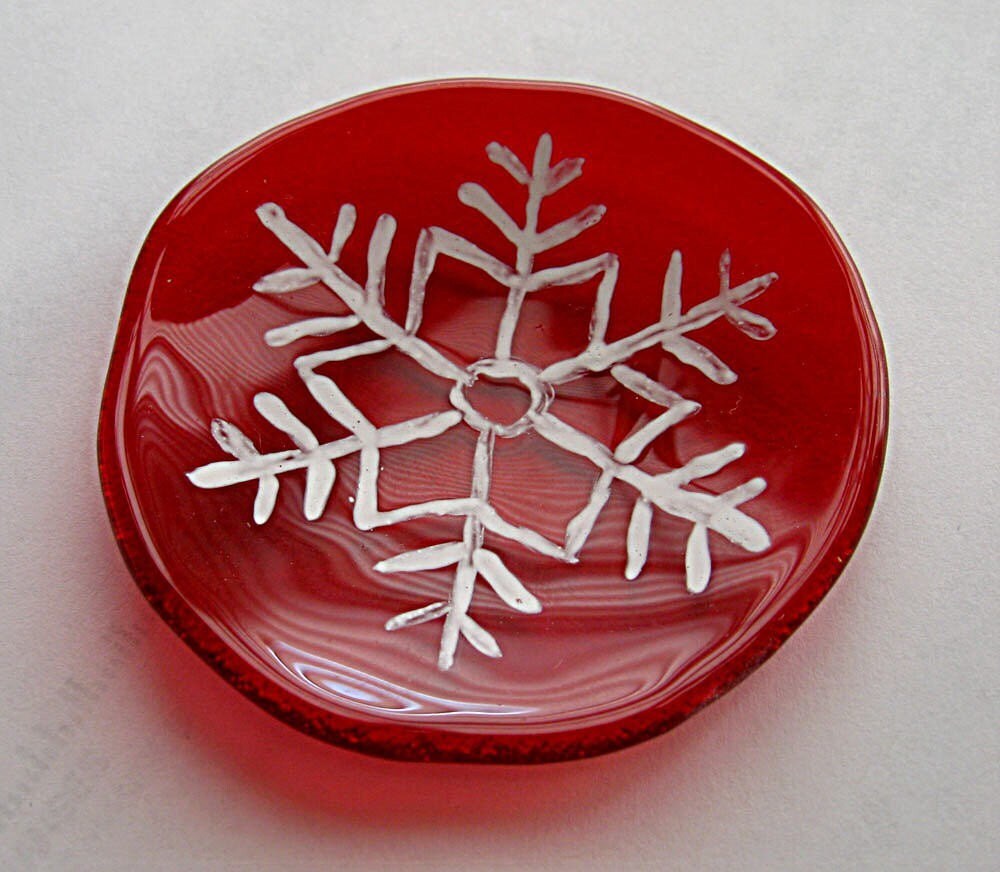
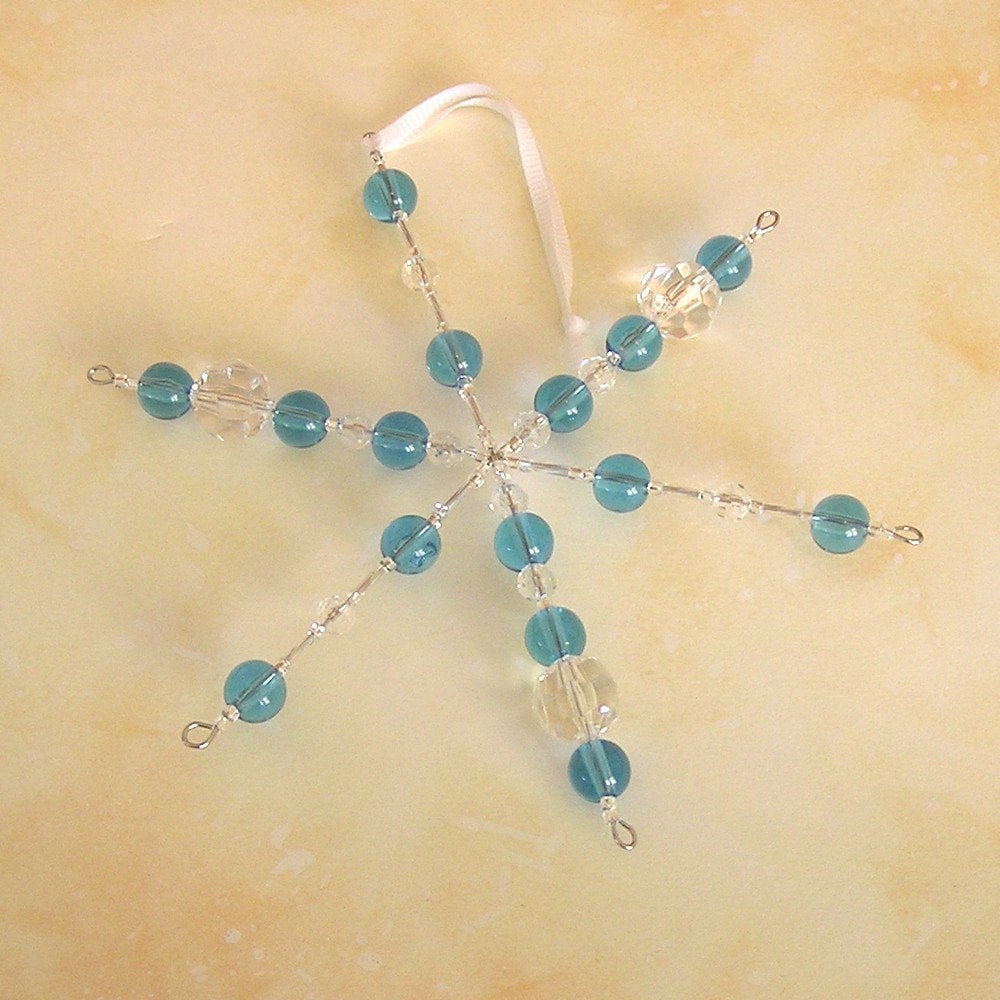
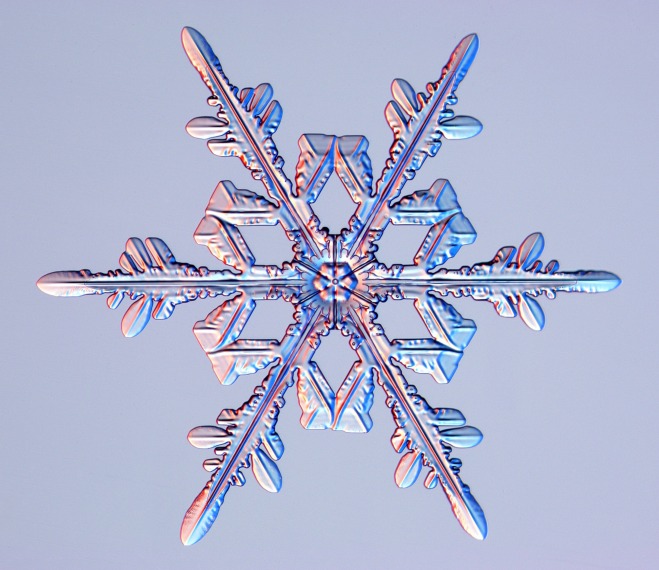
That first white coating of snow is lovely, especially when the frosty landscape twinkles magically in the sun at the end of a storm. Snowflakes are made of single or multiple ice crystals: water molecules frozen in a hexagonal lattice configuration. "The six-fold symmetry of snow crystals ultimately derives from the six-fold symmetry of the ice crystal lattice." (http://www.its.caltech.edu/~atomic/snowcrystals/primer/primer.htm) The patterns seen in snow crystals form as water vapor in the clouds condenses into ice. These patterns start out as small, hexagonal prisms, but they branch out into more complicated shapes as they grow. The basic categories of snow crystal shapes are columns, needles, plates, dendrites, columns with plates, and irregular. For a glimpse into the beauty and varied shapes of snow crystals, visit A Guide to Snowflakes at http://www.its.caltech.edu/~atomic/snowcrystals/class/class.htm.

from Chris1


The phrase "white as snow" is somewhat of a misstatement, for snow crystals are actually clear like plain glass. It is only when they are piled together that the multitude of reflective surfaces of many crystals reflects some light back towards our eyes. This reflected light represents the whole spectrum of colors, so when they all combine, the effect is white. In some cases, when the snow is very thick, some of the light bouncing off the crystals is absorbed on its way out to the surface. Since more red light is absorbed than blue, some of this blue spectrum light reaches our vision giving the snow a bluish cast, as in glaciers or on mountain tops. (http://nsidc.org/snow/faq.html)


Most snow crystals are only about half an inch wide, though, if weather conditions are right, they can reach up to two inches in size. The "fluffiness" of snow is determined by the air temperature, with 15 degrees Fahrenheit being optimal for fluffy flakes; temperatures closer to 0 degrees affect crystal structure making crystals smaller and more able to be closely compacted, thus increasing the density of the snow when it is very cold. New, undisturbed snow is a very good insulator because it is composed of 90-95% trapped air amidst the lattice structure of the packed crystals.


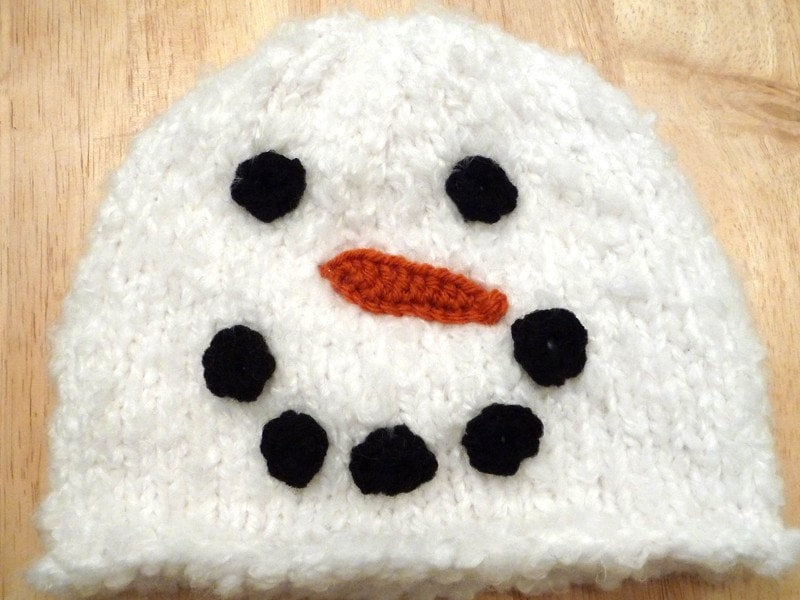
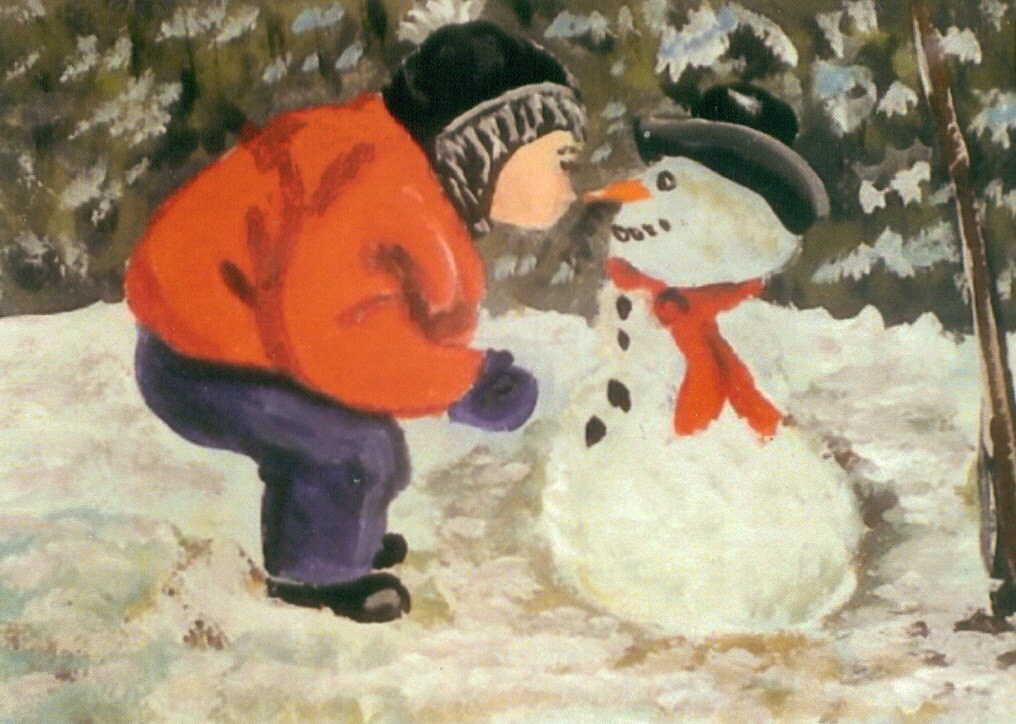
Snow is not only a crucial source of water for our local supplies, but it also acts like insulation for plants during the cold winter months. "Skiers and adventures lost in the winter can survive by making a snow cave, providing shelter from the colder air and wind. The temperature within the snow cave can provide refuge from winter’s chill." (http://www.suite101.com/content/winter-snow-facts-a34611) Beyond the environmental impacts, snow provides us with many opportunities for fun and sport, like skiing, snowboarding, sledding, sleigh rides, and the ever-popular snowman building! I am sure many of us can remember childhood snowball fights, building snow forts, and creating the ultimate snowman (only to watch him melt, sadly, as the temperature went up). According to Guinness World Records, the largest snowball ever made "measured 6.48 m (21 ft 3 in) in circumference and was rolled by students of Michigan Technological University in Houghton, Michigan, USA on 10 February 2006." (http://www.guinnessworldrecords.com/Search/Details/Largest-snowball/103465.htm) "The largest snowball fight was achieved by 5,387 participants, organised by Jong-Gi Park (Republic of Korea), the Mayor of Taebaek City, at the 17th Mt. Taebaek Snow Festival Main Event Hall, Mt. Taebaek, Gangwon-do, Republic of Korea, on 22 January 2010." (http://www.guinnessworldrecords.com/Search/Details/Largest-snowball-fight/118714.htm)


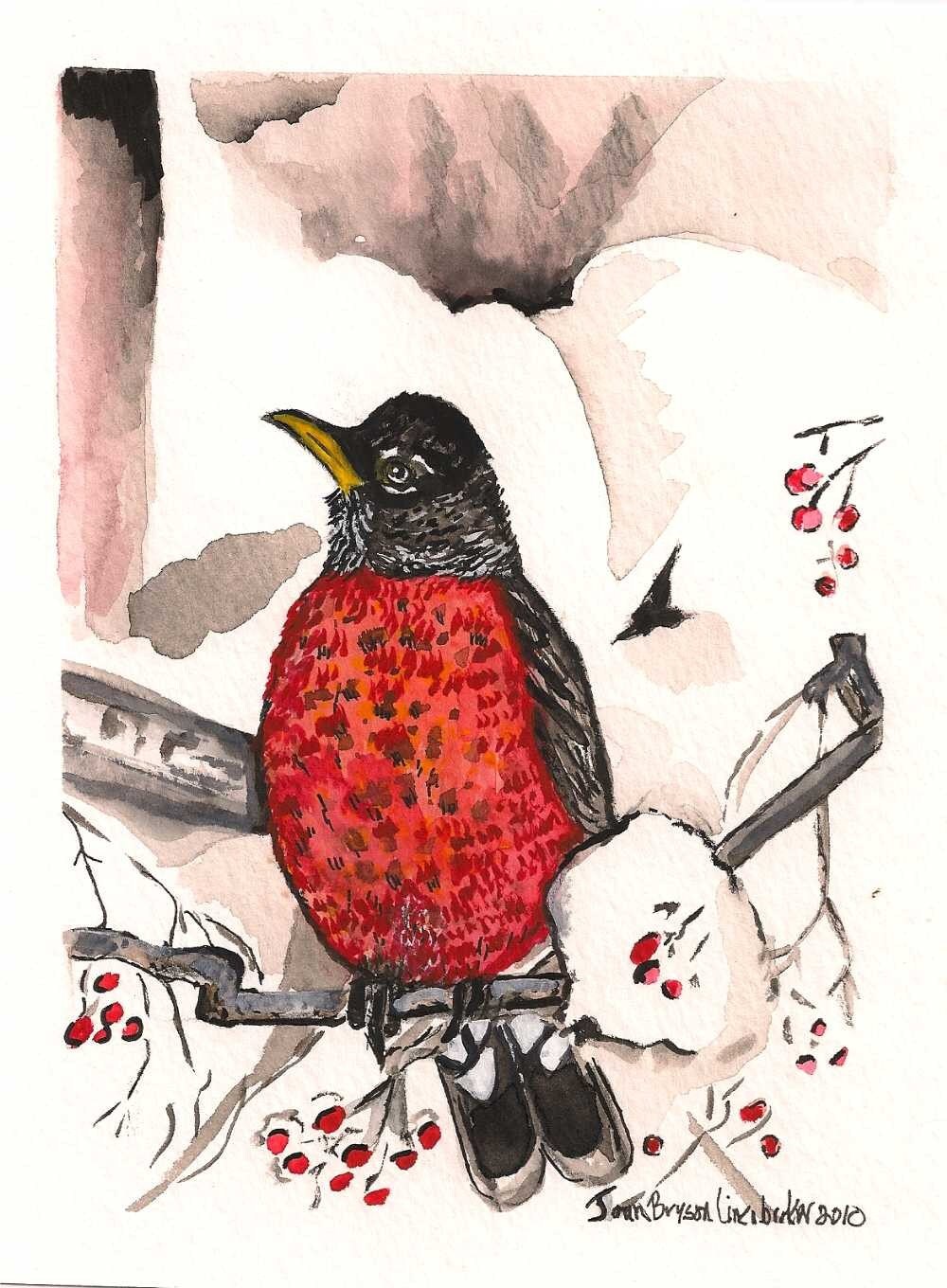
Although some year-round animal residents may be adapted to snowy conditions, wildlife survival is more difficult when the snow is deep. Ground dwellers, like foxes and porcupines, expend a lot of calories wading through snow to get to food sources, which become more scarce in the winter. In areas that do not usually get much snow, native wildlife may have a very difficult time adapting to unusual weather conditions. The distribution of certain bird populations is affected not only by the availability of food sources, but by the depth of snow fall. If you have a bird feeder or two, make sure to keep it clean and well stocked during the winter months. Platform feeders and birdhouse-style feeders attract different types of species than do tube feeders. If you can, have one of each style, plus a suet holder. The fat in suet provides concentrated energy to help birds survive freezing temperatures. For a guide to feeding birds in the winter, see http://www.birdwatching.com/tips/birdfeedingwinter.html.
 
 
Every state in the U.S. has experienced snow, even Florida and Hawaii. Although New York and Michigan can boast that they have multiple cities in the top ten snowiest cities in the lower 48 United States, it is actually  Blue Canyon, CA, in the Sierra Nevada mountain range that ranks in the number one spot with an average annual snow fall of 20 feet. However, when Alaska is included, Valdez, AK, takes over the top spot on the list with an average of 27 feet of snow per year. (http://weather.weatherbug.com/weather-news/weather-reports.html?story=6117) Be glad that you don't have to shovel snow in Valdez! Even so, make sure you bundle up in layers and keep skin well covered when venturing outside into the snow, whether for work or play.


Still not a fan of snow? 
I hope this little poem by Robert Frost will help change your mood. 

Dust of Snow
by Robert Frost

The way a crow
Shook down on me
The dust of snow
From a hemlock tree
Has given my heart
A change of mood
And saved some part
Of a day I had rued.
  
Enjoy the beauty of the snow crystals! 
 
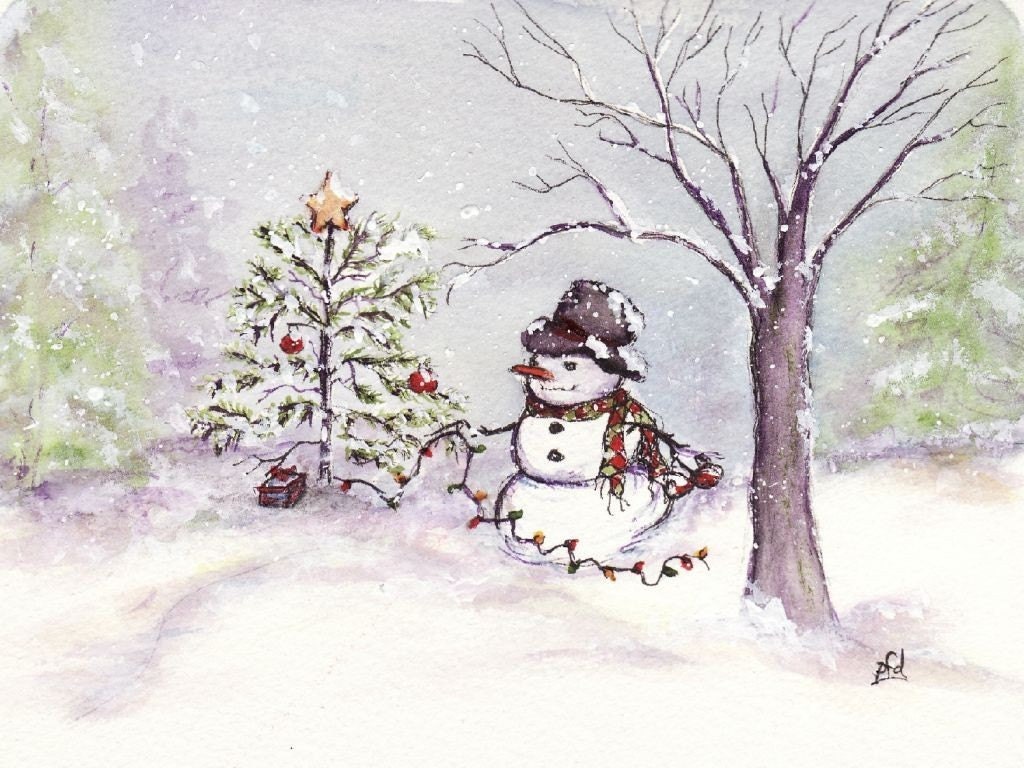
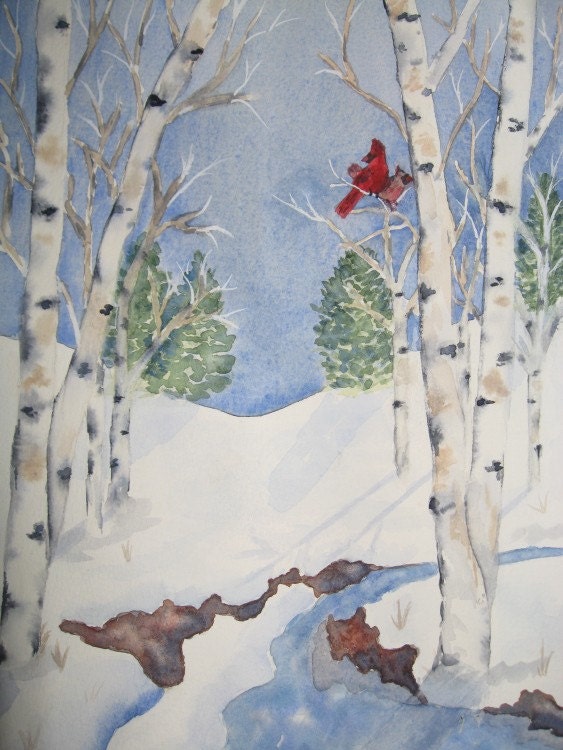
Little Winter Tree Original Watercolor ACEO 
by Colours and Textures
 

Thursday, February 11, 2010

The ‘S’ word!

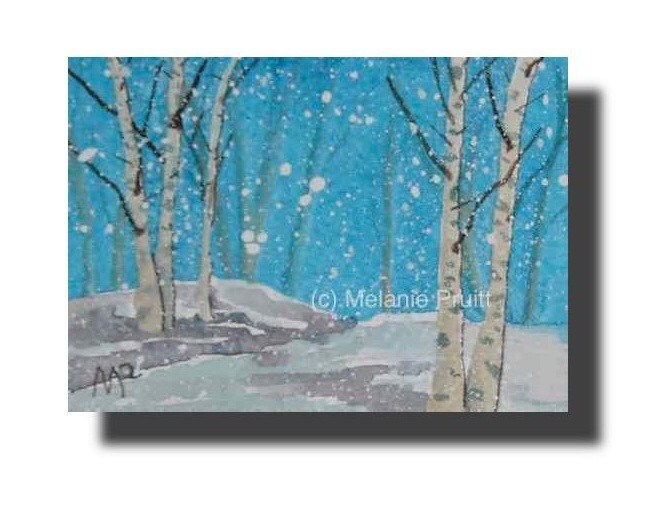
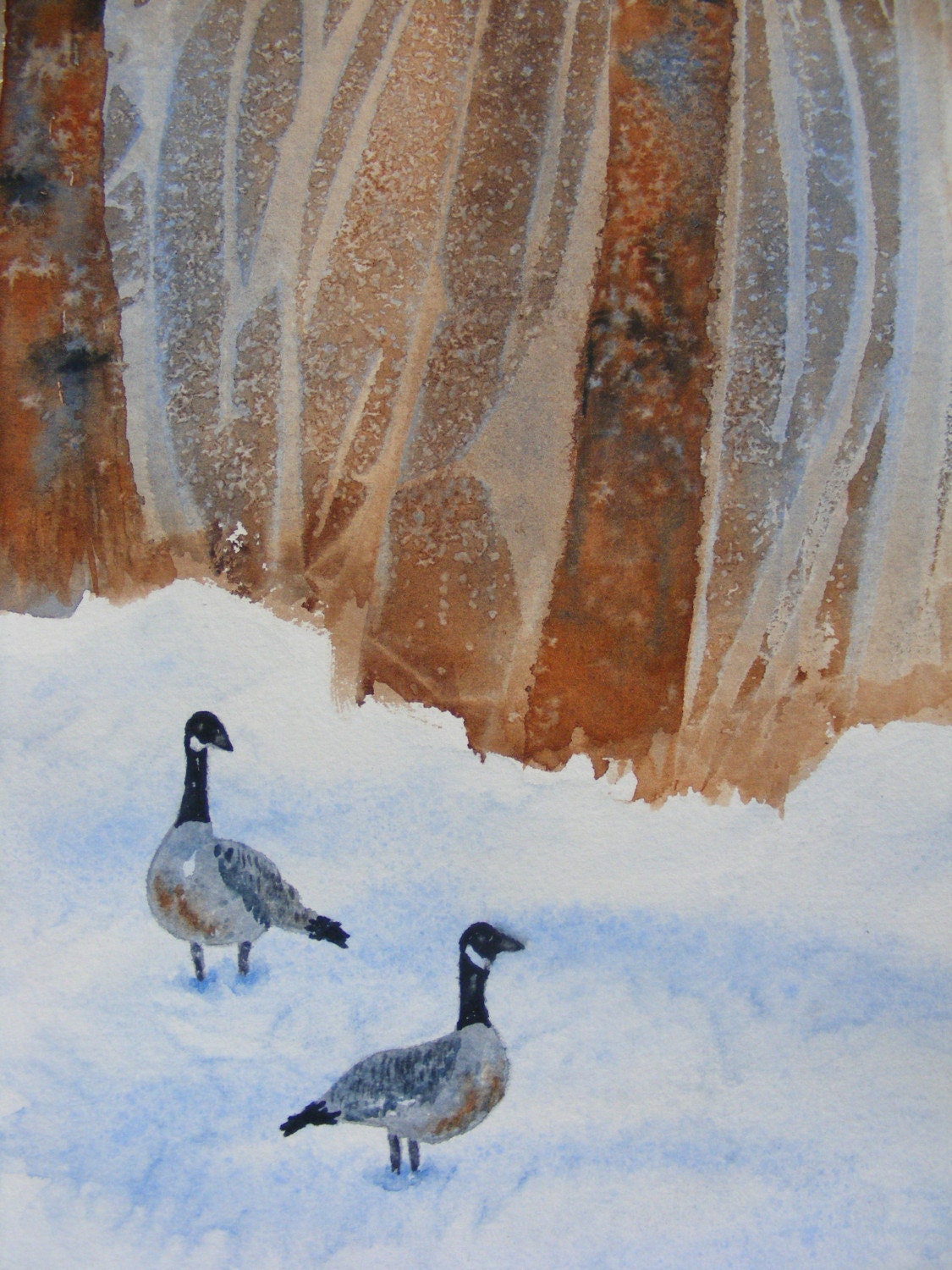
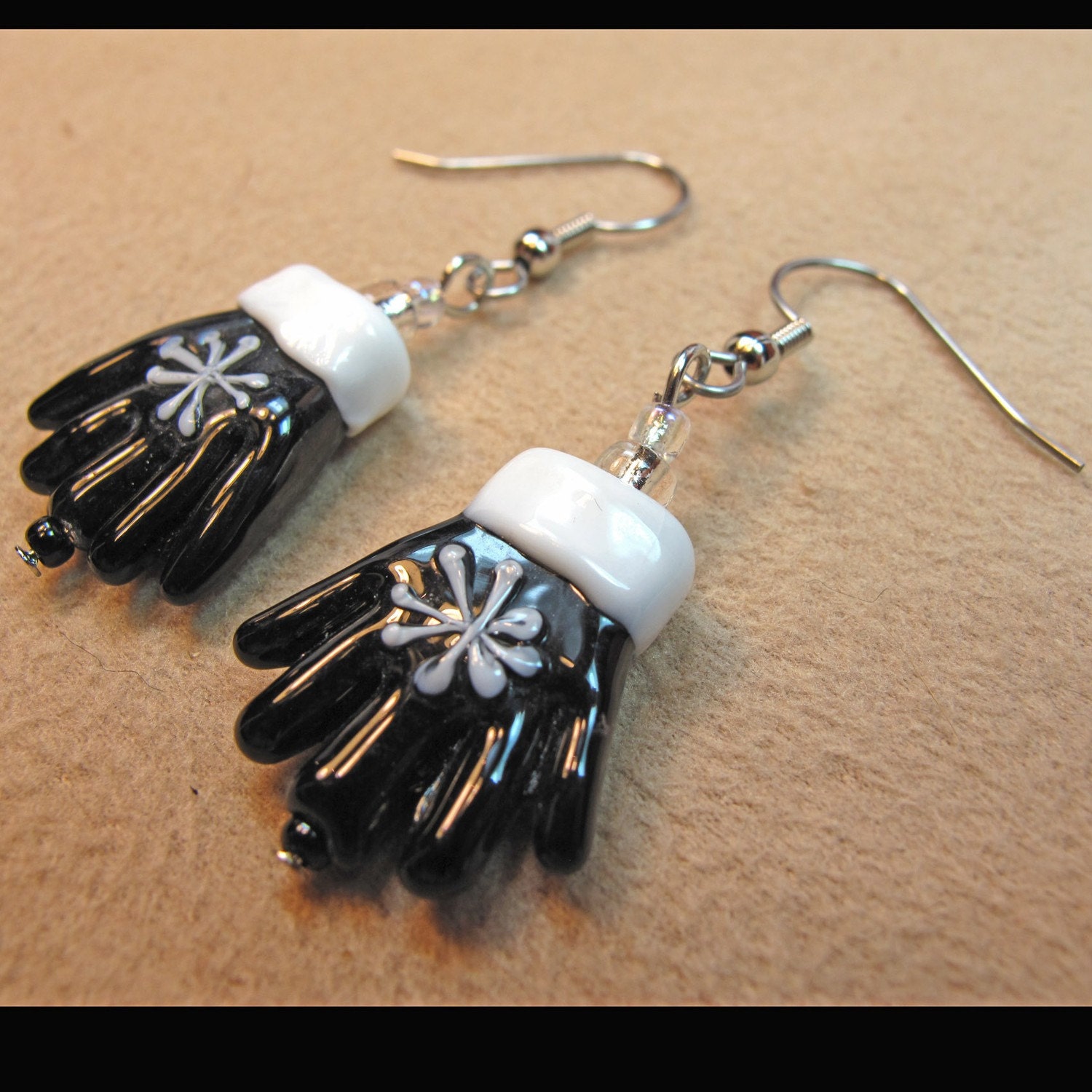
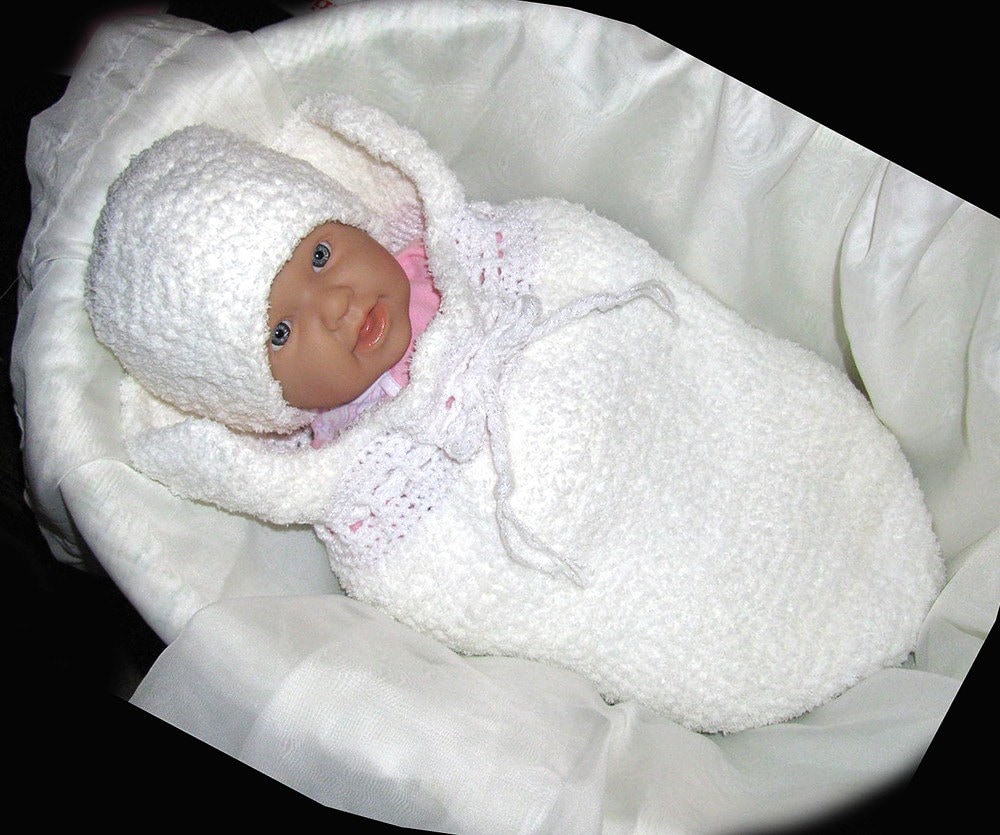
I wasn’t going to but couldn’t resist mentioning the dreaded ‘S’ word or ‘SNOW’.  Some of us, on both sides of the Atlantic, have been experiencing snowfalls that we will remember for many a year.  I can hear it already, ‘Do you remember in 2009, or was it 2010, when we were snowed in/under/on?’  Kids who don’t experience it will be amazed at the photographs!  But who wants to look at photographs of the white stuff when the BBEST team on Etsy can produce some of the most amazing work which has been influenced by snow?

imageLittle Winter Tree – original water colour ACEO by ColoursandTextures

image

Mother of Pearl Snowman earrings by KatzKreations

imageHearts in the Snow earrings by Magdalene Jewels

image  Snow White ruffled scarf by BlazingNeedles

imageLittle House in the Snow – mini art quilt by Libertybelle

imageNative American beaded earrings (snow flakes) by JStinson

imageSnow Hare Cards by SixSisters

imageSnow Storm earrings by Gimmebeads

All the above items are amazing! What talent!!

However, although the snow has been an inspiration for many I think the time is drawing near when heads will turn to Spring and a renewed birth of a new season.   

I hope you don’t mind but I have included this post in my personal blog too!  I just wanted to show you all off to the world.

Thank you!

x

Wednesday, December 30, 2009

A Time to Rest

Like many of my BBEST teammates, I am finding it difficult to rouse my blogging creativity in the deep, dark center of winter.  It's cold and I would prefer to snuggle in my cozy flannels while sipping tea and reading a good book. So, in keeping with the theme of rest and hibernation, I will resort to offering something I wrote a few years ago and stored away in place of something freshly written. I hope you enjoy it. Now back to my tea and jammies!


The air is getting chilly and the birds are winging their way south on their seasonal journeys. I have been feeling the need to retreat from the busy world, to begin my own process of hibernation just at a time when the rest of American culture is resuming its busyness, plunging headlong into hectic school and work schedules. There is something amiss in our cycle. The natural world is winding down and we humans are gearing up. Fruits and vegetables ripen and are harvested, and their vines die away, becoming part of next spring’s humus. Chipmunks and bears prepare for prolonged sleep; birds take flight. The days become cooler and shorter, and the trees stop feeding their leaves, going out in a blaze of colorful glory. Yet we have forsaken that natural rhythm and have chosen to flip the seasonal pancake in a reverse scenario: We rest when the balance of the earth is producing and growing, and toil when nature is asleep. How did we become so seasonally nocturnal?


It wasn’t this way for thousands of years while we were consciously dependent on the land and our fellow animals for survival. Farmers knew that they would have a limited growing season and they had better stock up for a long winter’s dormancy. Our ancestors knew that when the sunlight lessened, it was time for lessening their activity levels, giving their bodies time for rest and revival. However, when we started to rely on ourselves and our technologies more than we relied on nature, we began to see ourselves as self-sufficient and independent of changes in the seasons. We could control the cycles and make them fit into the schedules we created for ourselves. Perhaps we purposely switched the order as if to demonstrate our command over nature. It is becoming more obvious that this is a false feeling of security, and we had better examine our choices more closely in the near future. Now that we are out of step, it will become very difficult to rejoin the natural march once too much time has passed and we are far behind the rest of the pack on its migrant journey.


I am choosing to buck the trend by slipping into wintry slumber with the rest of my fellow earth-mates. I’ll line my nest with layers of soft, fuzzy fleece blankets and sweaters, and gird my larder with extra tea and hot chocolate and copious amounts comfort food. I will join the birds in their migration and I will fly away from the strenuous regimen of classes and holiday activities, concentrating instead on making small home improvements that will make my den suitable and comfortable for those long, snowy days inside. I will feed my hearth and celebrate the declining daylight by opening my thoughts to the inner light of my heart’s fire.


My choice is to retreat – but not a retreat in the usual sense of giving up. Rather, this is a retreat back into step with the rest of the natural flow of life. It is a retreat that is defined as a period of retirement, of silence and solitude, a time of withdrawal to a refuge for contemplation and renewal. My hibernation will hopefully allow me to better adapt to changes in my physical and mental environment in order that I may survive the harsh times ahead. Perhaps this state of rest will preserve my mental faculties as well, as I keep my brain cells insulated from the overstimulation of the hustle and bustle of schedules and obligatory seasonal commitments.


Most of all, by staying in step with nature and out of step with the rest of our culture’s frenetic pace, I hope to let go of my false sense of control over the cosmos and over nature, releasing that feeling of always fighting with my true self. I am, after all, like all the other animals and plants that exist in this place, tied by billions of ancient cells to the primal call of earthly rhythms. We block our ears with electronic white noise, and keep our minds and bodies constantly moving with busywork. Yet in the crisp stillness of a deep azure winter’s night, in the brilliant quiet of a crystalline snowfall, in the mysterious shadow of sparkling icicles as they drape past our windows, a small, whispering voice can be heard calling us to sleep, to sleep deeply and dream of our spring reawakening.


© 2006 Olivia Herbert. All rights reserved.

Wednesday, November 25, 2009

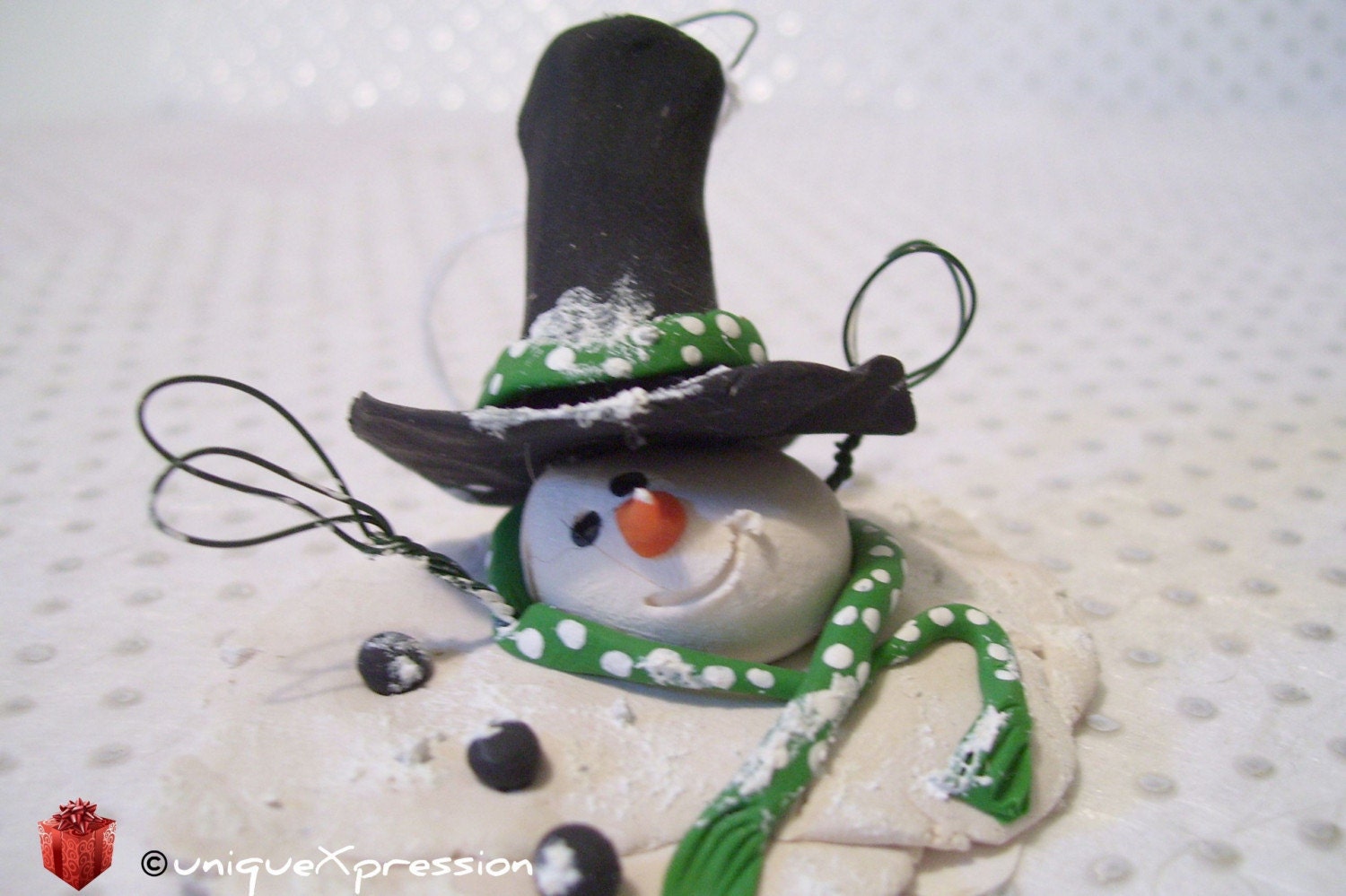
Snow ,snowmen,snowangels,snowflakes and other fun facts


1. I am sure you have heard the urban legend that Eskimos have over a thousand words for snow. I found out by reading about snow that they actually have more words for ice. The Eskimo-Aleut language does tend to be precise. It makes sense when you think that they make their living and get their food by hunting on the ice. They need to know where bad spots are and thickness and thinness of ice. It is an important safety issue, too.

2. Let It Snow is one of the most overplayed songs during the holiday season. Do we really need to hear it so many times? Probably not. Once is enough for me but I am sure there are many people who love hearing it over and over.

3. The place that has the most snow in the world is Mt. Baker, WA with 1140 inches last year. The snowiest city is Valdez, AK with 326 inches of snow last year.

4. Guiness - Most snow angels. London Dist. Catholic School Board. On Feb. 2, 2004 there were 15,851 snow angels made in Ontario Canada. Wow, that is a lot of snow angels!

5. No collection of snow art could be considered complete without a nod to the world’s largest snowman – that figure emblematic of snow art and sculpture around the world. 13,000,000 pounds of snow towered an epic 114 feet tall. Skis, tires and other preposterously large objects were needed to add eyelashes, a mouth and other essential features (in place of the traditional coal-and-carrot combination).

6. Snow flakes are one of the most fascinating things to look at. It boggles the mind to think of all of the different designs that exist. I hope you enjoyed my little facts and pictures about snow.

Have a very Happy Thanksgiving.