Showing posts with label art. Show all posts

Sunday, April 3, 2011

Pattern Possibilities

During a weaving class I recently attended, I became acquainted with an interesting book on textile design:  The Fabric Design Book: Understanding and Creating Patterns Using Texture, Shape and Color, by Karin Jerstop and Eva Kohlmar. Although the book is aimed at crafters who work with fabric, the basic pattern ideas it presents are useful for all artisans who are interested in creating unique designs for their art works. The book contains ample color illustrations and plenty of visual inspiration for demonstrating how simple lines and shapes can be used to build more complex patterns.

Let's take a look at some of the pattern basics that form the groundwork for design exercises in The Fabric Design Book. Examples from our BBEST team will help illustrate these design elements.

Intricate design structures start with the spacial arrangement of simple geometric shapes and the interplay of varying shades of color. Our tools for increasing complexity and creating unique patterns include repeating shapes, rotating shape or line direction, alternating colors, increasing and decreasing pattern size, and adding surface texture. We can combine techniques as well, broadening the scope of our design possibilities.


The simplest design form is a line. We can use horizontal and vertical lines to divide an area into sections, creating stripes. By varying the thickness and spacing of these lines, we can make many symmetrical and asymmetrical patterns. Lines can be evenly spaced, or they can be alternated, thick and thin; they can also be turned at a diagonal angle. Applying color to stripes adds an extra design dimension. Using Fibonacci numbers, we can apply the mathematical principles Italian mathematician Fibonacci discovered in patterns throughout the natural world to create balanced and eye-pleasing stripe sequences. Making our stripes in size ratios that follow Fibonacci numbers - 1-1-2-3-5-8-13-21 and so on, will create a striped pattern that mimics the regular and harmonious patterns found in such things as "shell spirals, branching plants, flower petals, seeds, pine cones, and leaves." (http://www.fuzzygalore.biz/articles/fibonacci_seq.shtml)

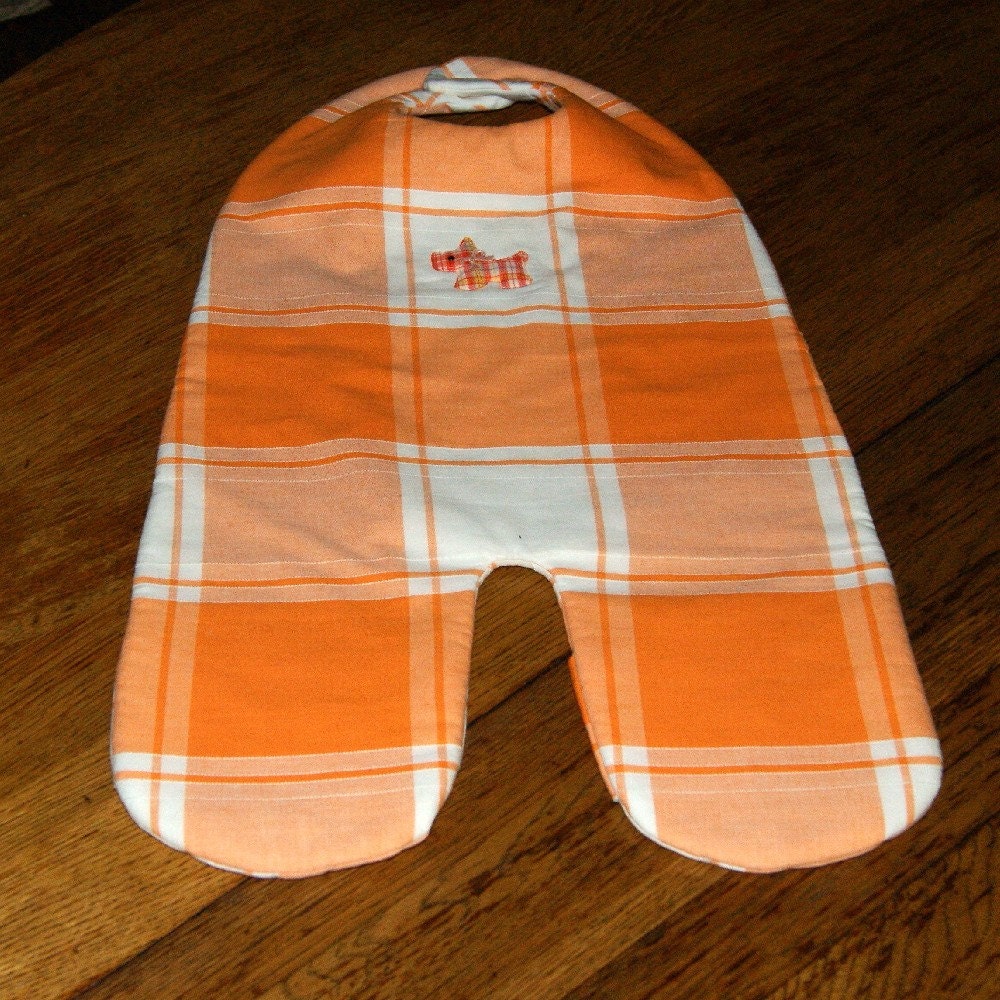
A natural step up from stripes, is the plaid, which is created by crisscrossing lines of varying sizes at right angles to one another. This interlacing of lines leads to checks and squares; crossing the lines diagonally gives us diamond patterns. Another variation of the plaid is a brick design, which is still an interlocking of lines. We can also apply Fibonacci-style line dimensions to the building blocks of plaids, to design visually appealing patterns.

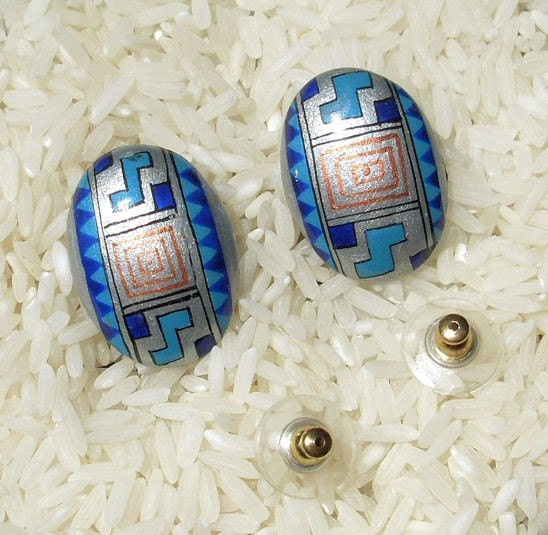
Another method for creating patterns is to repeat geometric shapes, such as squares, triangles, rectangles, circles, wavy lines, and spirals. Some of the earliest forms of decorative art utilized this technique. Starting with a single line of repeating shapes, we can make borders, which can then be repeated to make more advanced and complex overall patterns. Again, adding color variations greatly increases the design potential.
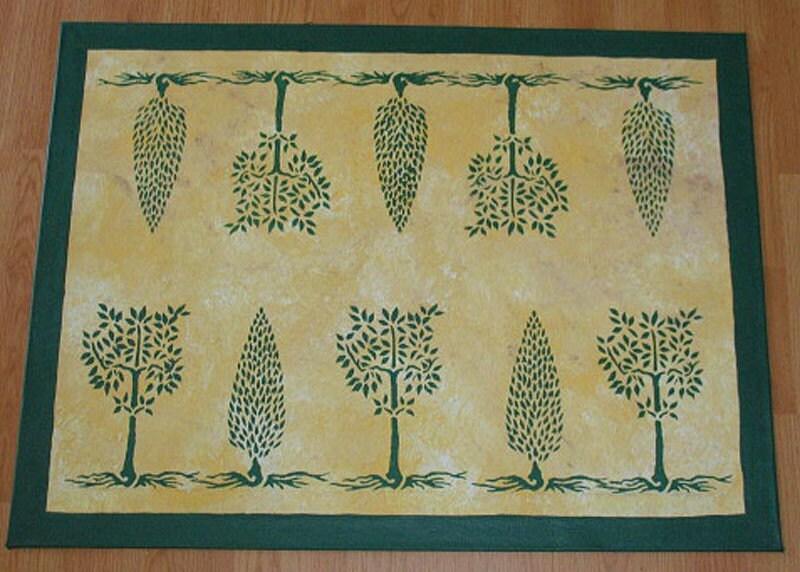
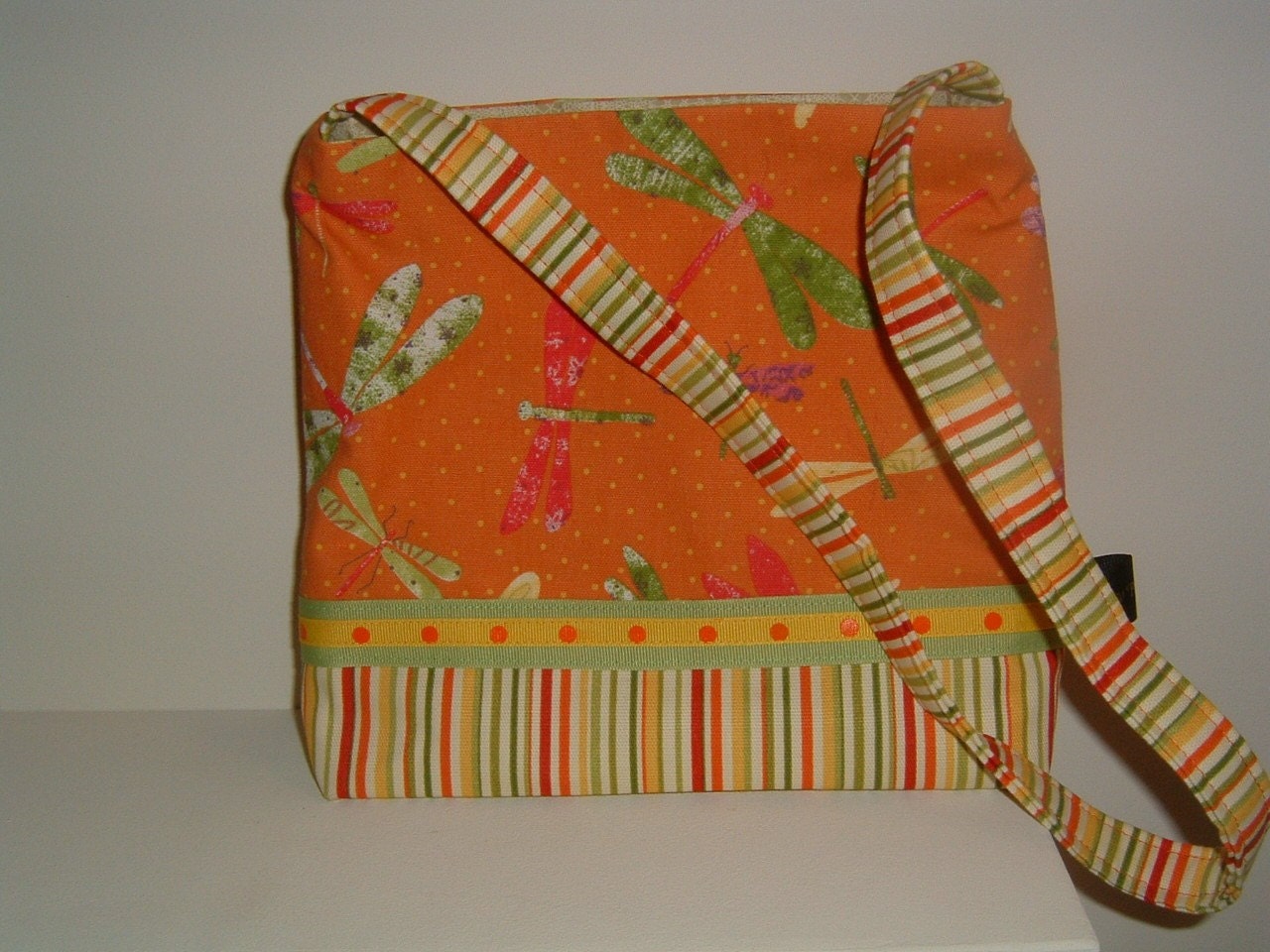
Growing beyond basic geometry, we can repeat, or repeat and alternate design elements, such as leaves, animals, dots, or even very intricate pictures, to make sophisticated surface ornamentation.


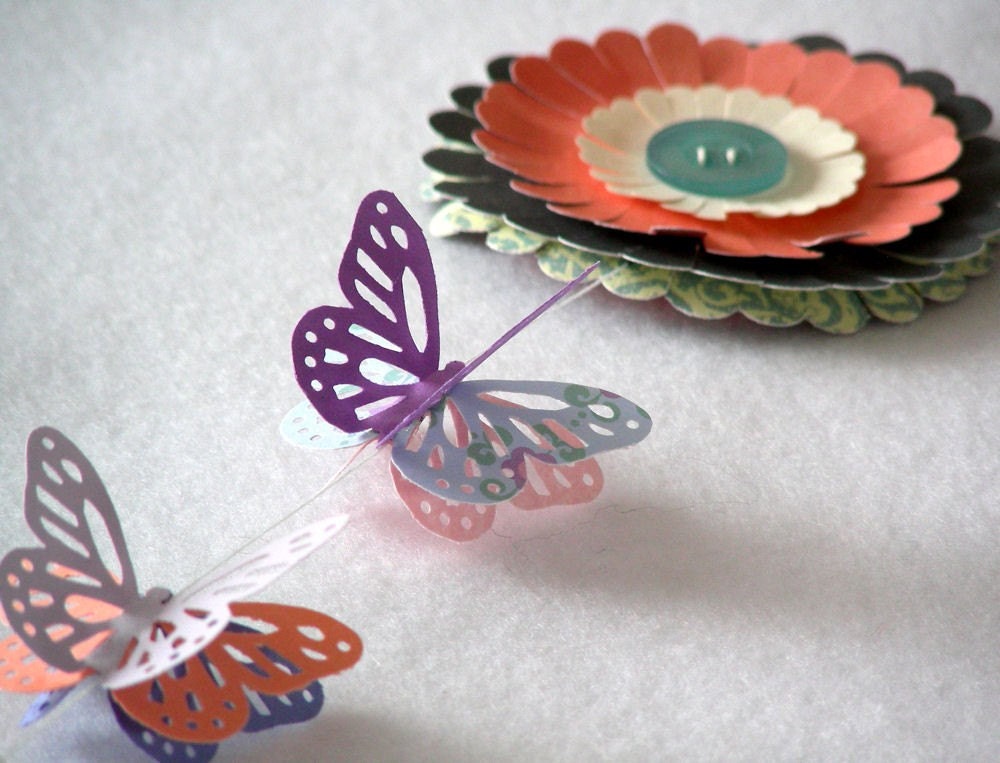
The lack of a pattern is just as important as the presence of one. We can look at the negative space created by the absence or removal of line and color as a design element in itself. For example, taking a piece of paper and cutting away sections creates a lovely pattern, as in the butterflies below.

By simplifying and stylizing a physical object, we can change it to an artistic form. Rather than reproducing something, such as a flower, in exact detail, we can distill its essence to create a unique design motif. Further simplification of such a motif will continue to develop new design elements. Don't forget we can also repeat these stylized elements to make overall patterns. Combine negative space with simplified designs, and we create elegant pictorial representations.
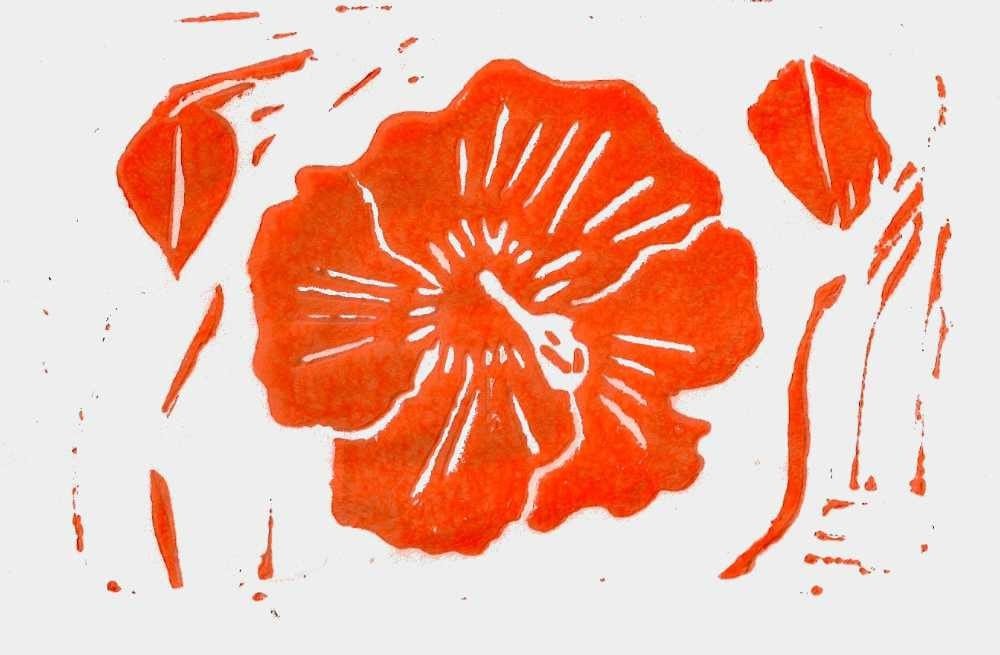
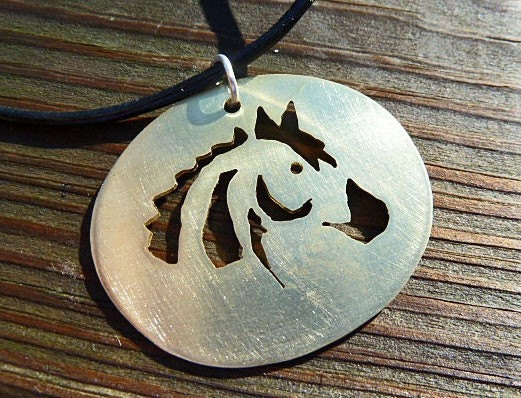

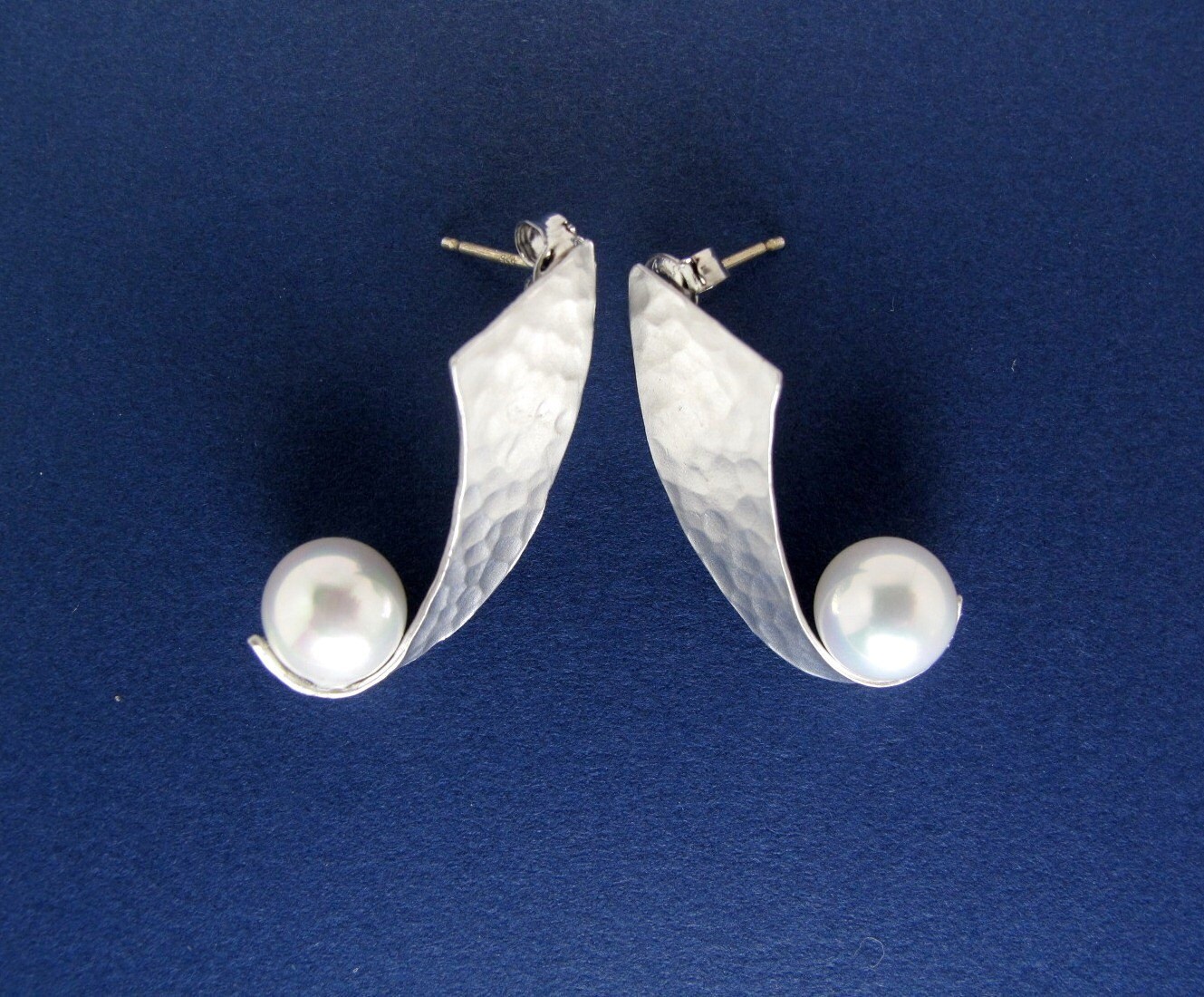
Another way of manipulating shapes is to use mirror images. Think of taking a design element on one side of a piece of paper and folding the paper, or holding it up to a mirror, to create an exact but reversed image next to the original. We can mirror and repeat as well, just as we did with simplified images, to form a larger pattern.

Adding color to our design repertoire steps up our pattern options exponentially. We can take repetitive, basic shapes and colorize them, such as alternating hues, following a rainbow spectrum, taking different shadings of one tone, or following complementary or analogous schemes.
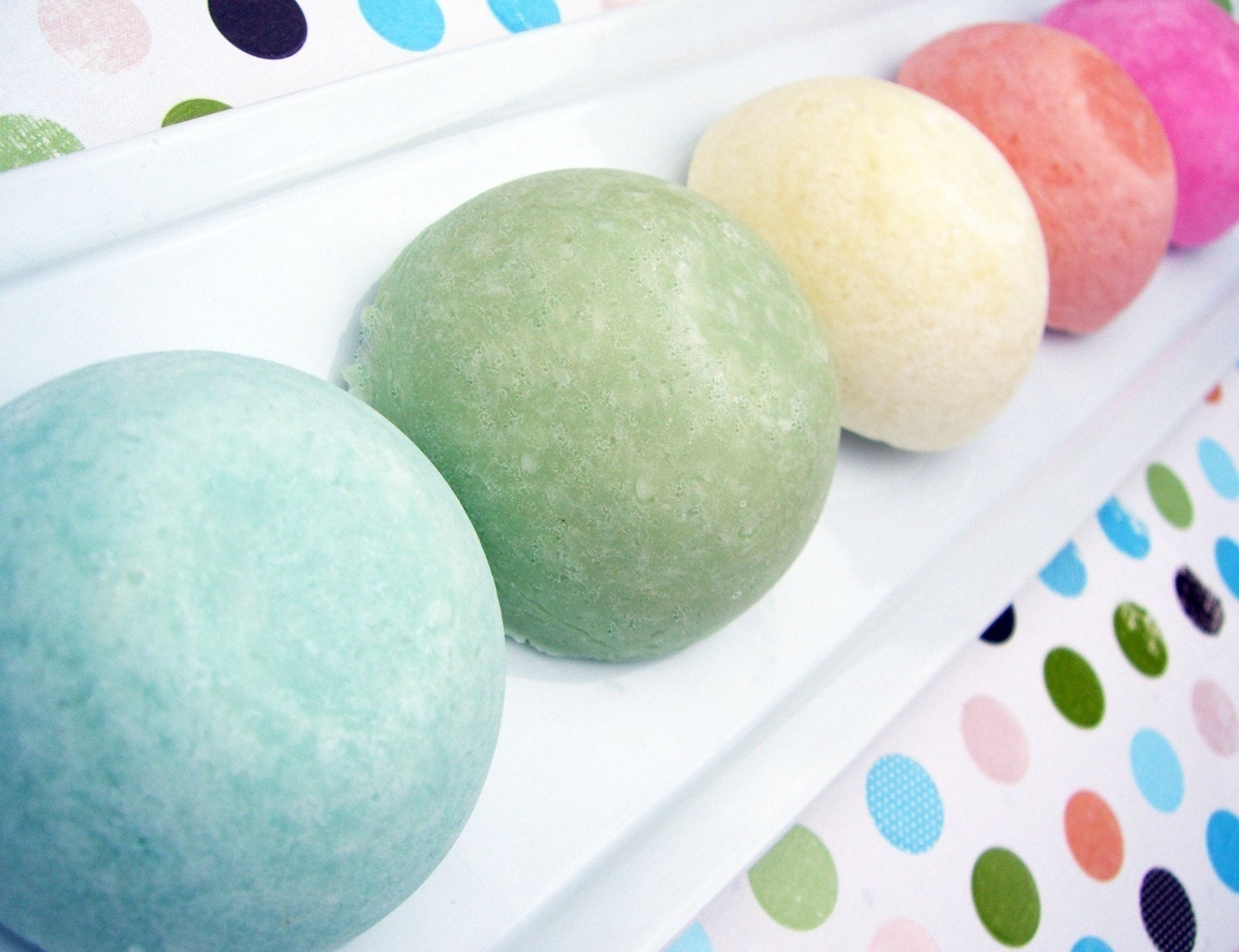

Using large blocks of color juxtaposed creates striking patterning effects. Patterns need not be extremely complex when dramatic color usage is the prime artistic tool.

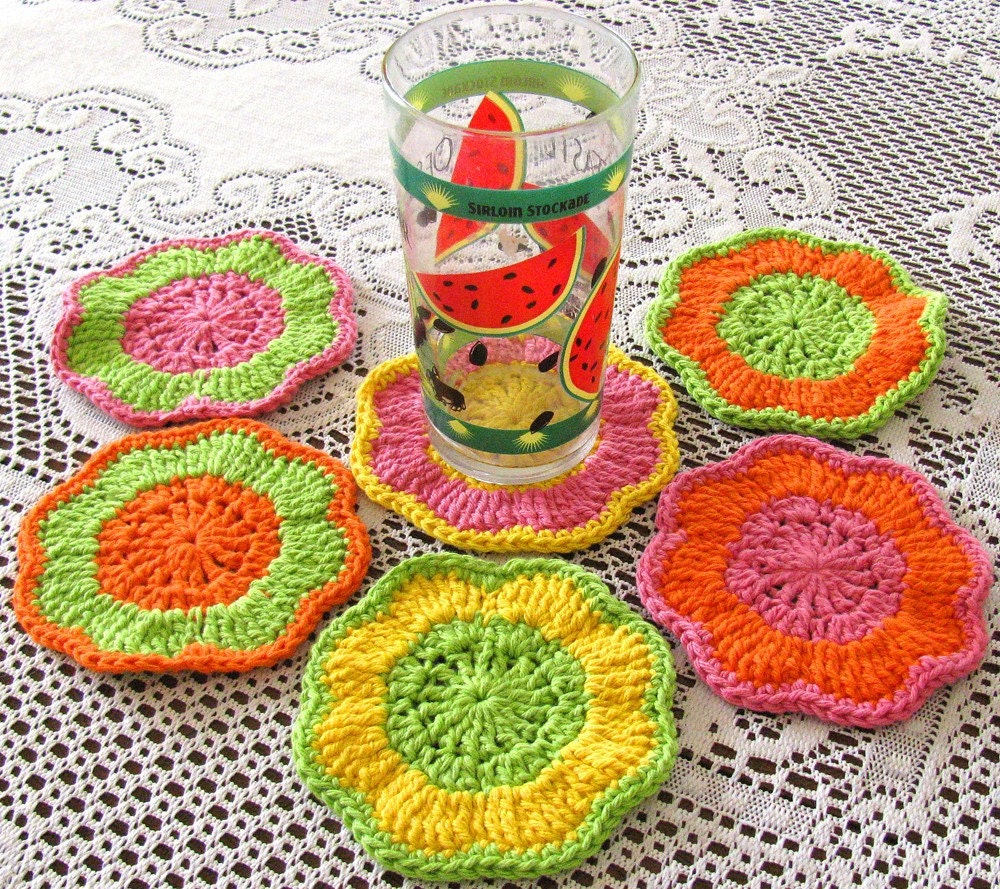
The qualities of a color, such as intensity, shade, tone, tint, and value, change when that color is combined with various other colors. We can try pairing one color, such as the green in these coasters, with colors that are adjacent or opposite on the color wheel to see what affect this combination has on the qualities of the original color.
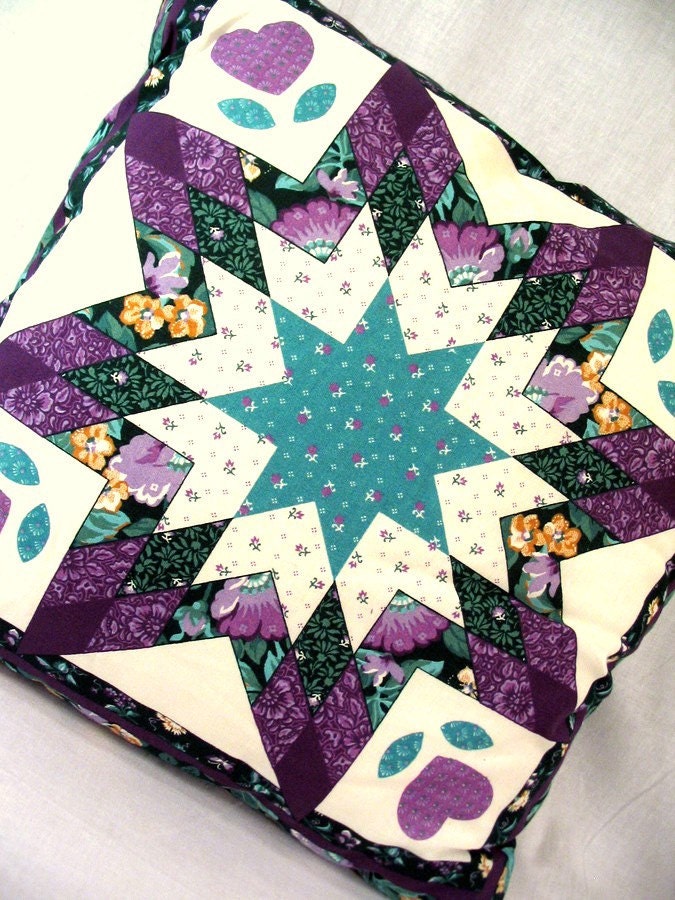
 This quilt blends a number of the techniques we have already considered by repeating geometric shapes filled with coordinating patterns, and harmonizing analogous colors. As you can see, the design possibilities are endless! Start by playing with basic shapes, add your own creativity, and you will soon discover that unique patterns are within easy reach of every artisan.

from ByTheBy

Monday, February 21, 2011

Anfangen ist leicht, beharren eine Kunst


The new year and all its promises of resolutions and changes is almost washed away by the middle of February. How quickly we get wrapped up in the every day moments of life, how soon we allow our plans to melt softly into intention. Winter does that to me, I must admit. Although I do love the winter - all of the whites and sharp contrasts, all of the silence and stillness, all of the wonderful holiday and fun snowy times we get to share - and though winter fills a place of peace in my soul, about middle of February I really feel the longing for spring.

I feel it in my bones. I am ready for blue blue skies, yellow crocus, green grass, buds on the trees and bushes. I can't wait for the pastels of spring, creeping up to surprise me from under the brown fallen leaves. I begin to get antsy for the soft spring colors and longer days with lighter evenings for outside play.

And so it was with great delight that I went looking through the BBEST shops for hints of spring, and found it.

From Sassalynne's shop -


From The Filigree Garden - Forest Moonlight


From BytheBy - Pale Green Scarf

From The Creator's Palette -


These touches of spring bring back my smile and help me get through these still long winter days. My daughter is back from two weeks in Munich, where it remains cold and winter. She tells me of the cold, the numbness in her fingers, her desire to be inside, the feeling that winter is never ending this year. But I persist in striving towards spring, filled up by the inspiration of our amazing team of BBESTers, each of us continuing to create through our own personal dance.

And I feel in my heart the truth of the German saying Amanda brings home to me. Anfangen ist leicht, beharren eine Kunst.

To begin is easy. To persist is art.

Saturday, February 5, 2011

Creative Challenge: Color Play

Continuing with the theme of creative inspiration, introduced in an earlier blog post, it might be fun to try an artistic exercise by means of a monthly challenge. This month, let's play with color by using our favorite paintings or photographs to set tonal palettes for our creations. I gave this method a try last fall during a hands-on lecture given by weaver Sarah Saulson (http://www.sarahsaulson.com/) who spoke at our local weavers' guild meeting. For one of Sarah's creative exercises, we were instructed to bring a picture that caught our eye for some reason; a painting or photograph that appealed to us in some way. We also brought an assortment of yarns in various colors to share as a group. Using our favorite pictures as visual inspiration, we chose yarn colors from the group stash and assembled "wraps" - wrapping yarn around a cardboard rectangle - that reflected the coloration and feel of our photos. The idea was to use the hues from our inspiration material to create in a different medium. The group results were wonderful! It was amazing how well those simple rainbows of yarn conveyed the essence of the paintings and photographs.

So for February, I'd like to challenge you all to try a version of the above exercise using whatever method of artistic expression you prefer. Select a photograph or painting that you find interesting or pleasing, then try to create an object (for example, a sewn article, piece of jewelry, paper craft, or glass work) that reflects the color and feel of that visual illustration. If it is helpful, start by isolating the major color themes of your photo selection by looking at a color wheel. Then collect materials for your project in those themes; if you are making jewelry, for example, round up all the beads in your color themes and put them in front of you before you begin. For a few examples to get you started, take a look at "Color Inspiration from the Masters of Painting" at http://www.colourlovers.com/blog/2007/06/20/color-inspiration-from-the-masters-of-painting/ Let your preconceptions fall away and let your imagination take the reins!

Once you have finished, report back to us by leaving a comment on this blog post with a link to a photo of your inspiration object next to your creation; or leave a comment with links to each of these items separately. If you have a blog, write about your experience and show us what you made. If there are enough responses, we'll write another blog post to share your work. Most of all, have fun and let the color adventure begin!

Now, let's do a little reverse engineering on this exercise and match a famous painting with a BBEST selection, trying to convey the ambiance of the masterpiece within the palette of each artisan's item.

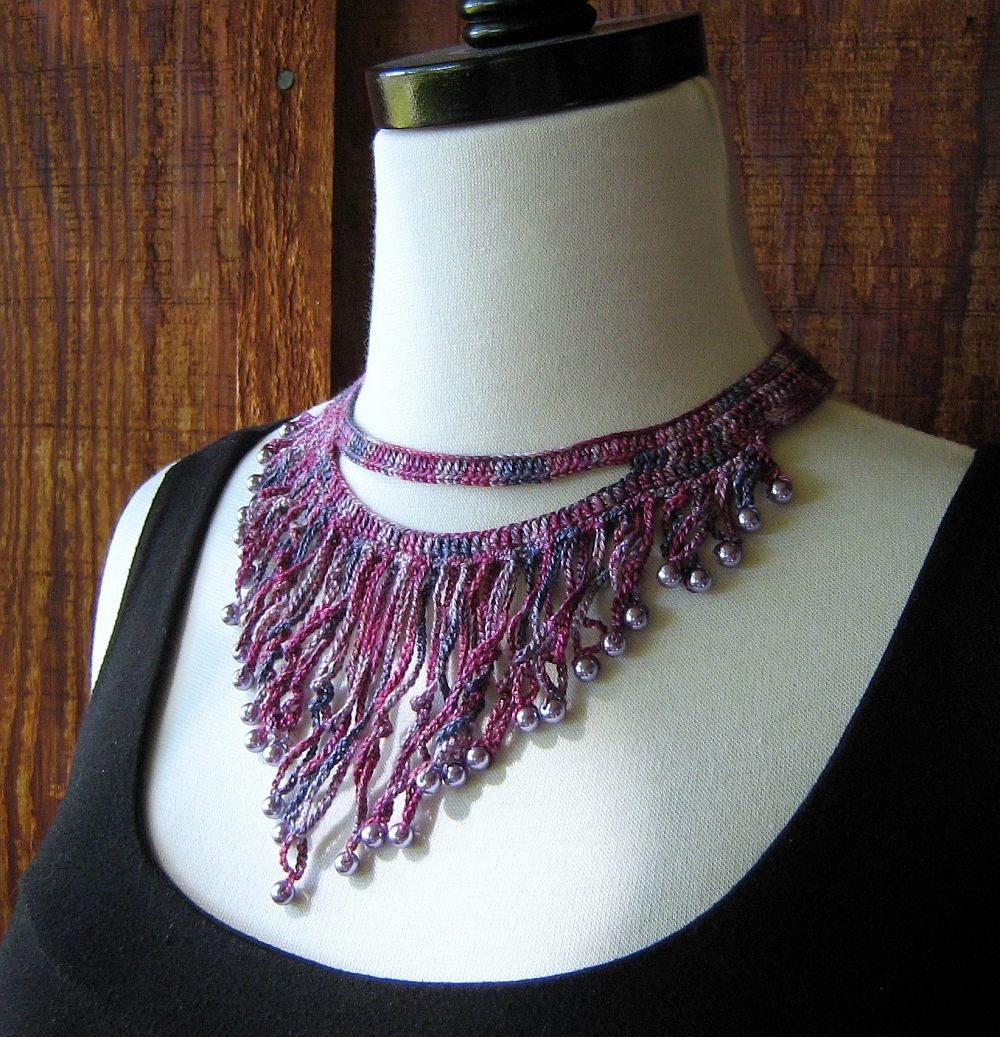
 The subtle lavenders in Claude Monet's The Artist's Garden at Giverny are reflected in this Purple and Lavender Beaded Crochet Bib Necklace by Imaginuity.


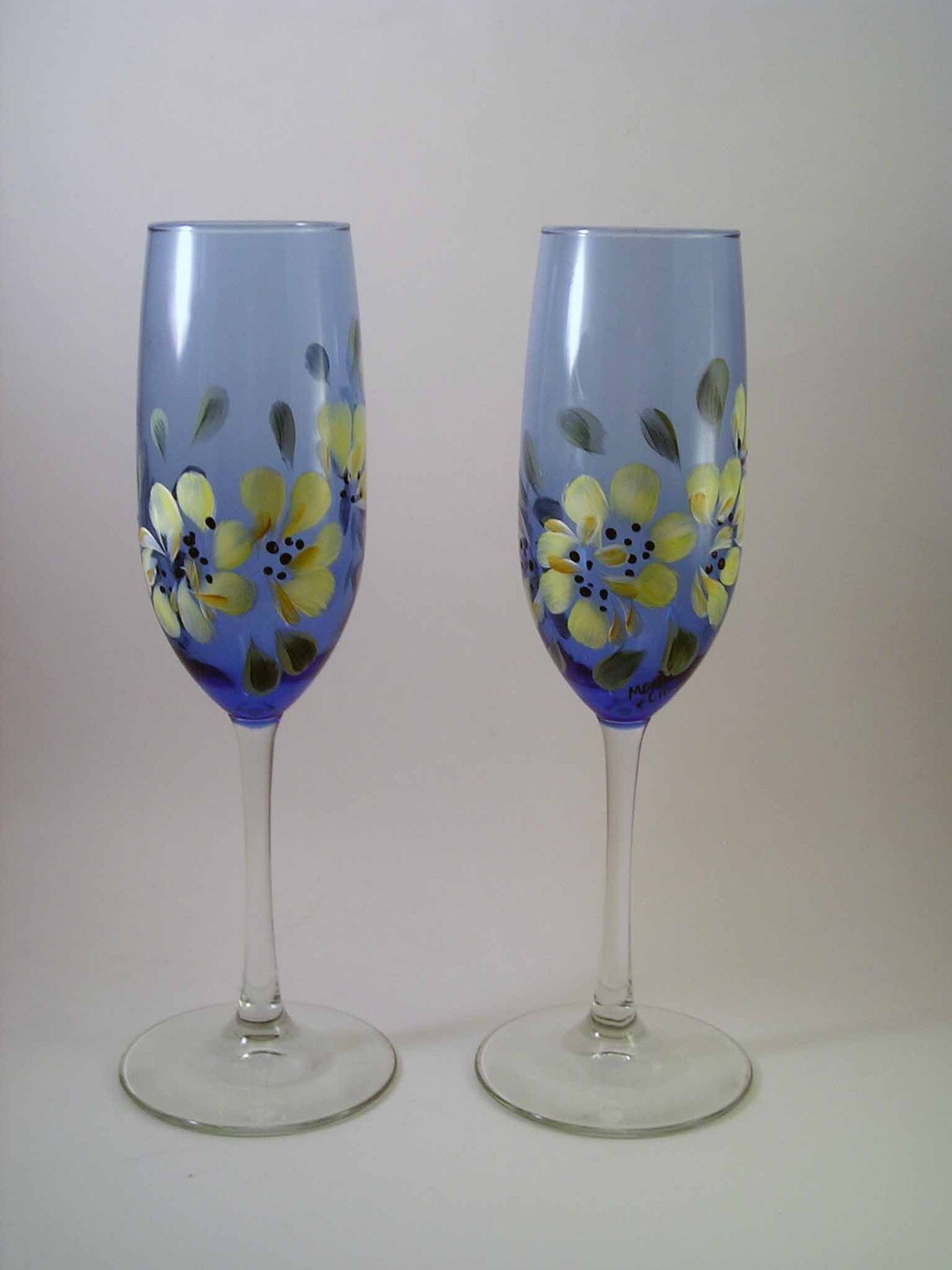
The deep blues and glowing yellows of Van Gogh's Starry Night are captured in these Blue Glass Toasting Flutes from GlitznGlass.


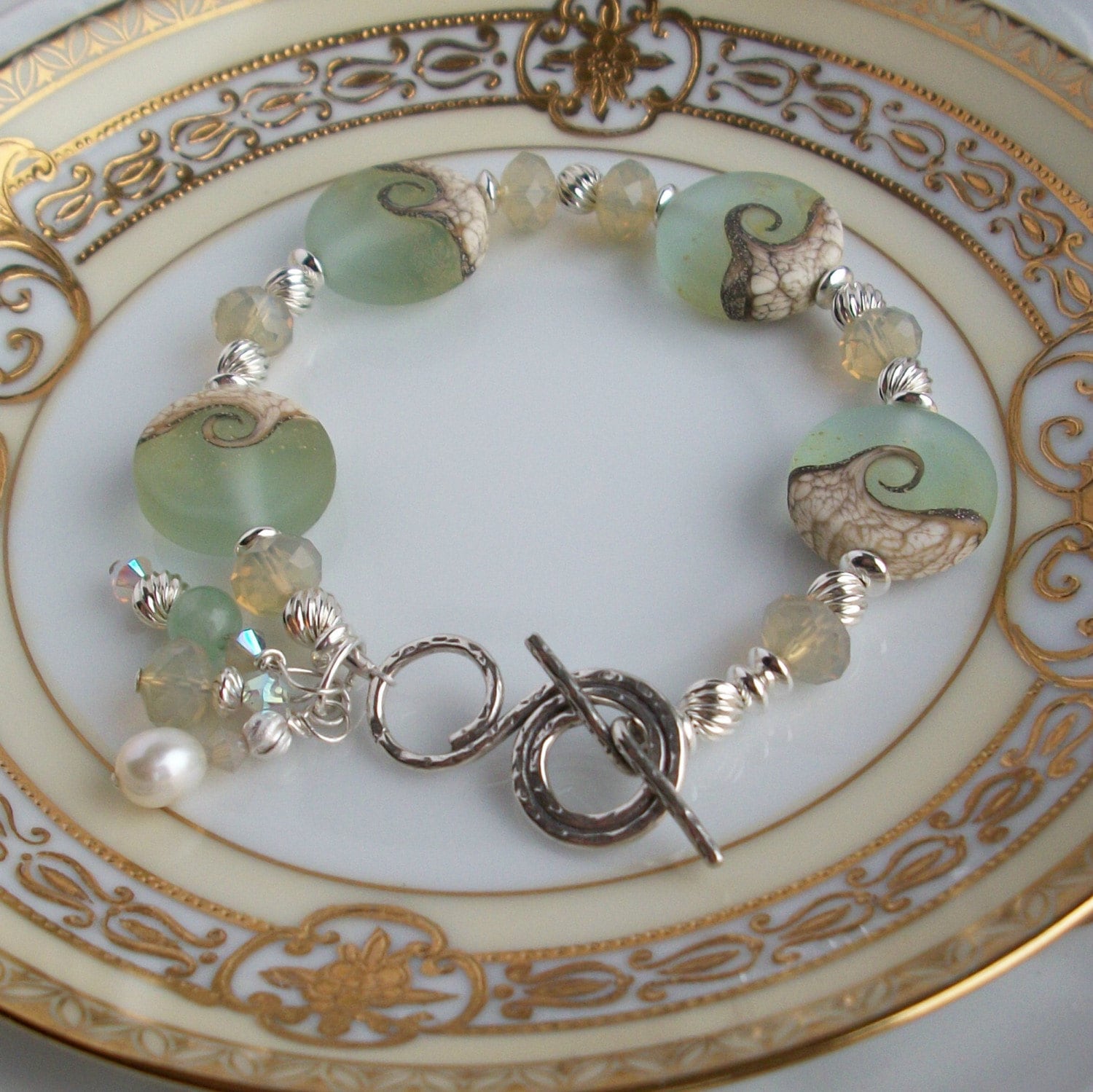
 The pale sea greens and swirling waves of  Aivazovsky's The Tenth Wave are captured by this Ocean's Dance Artisan Lampwork, Crystal Bracelet by Ever So Dear.


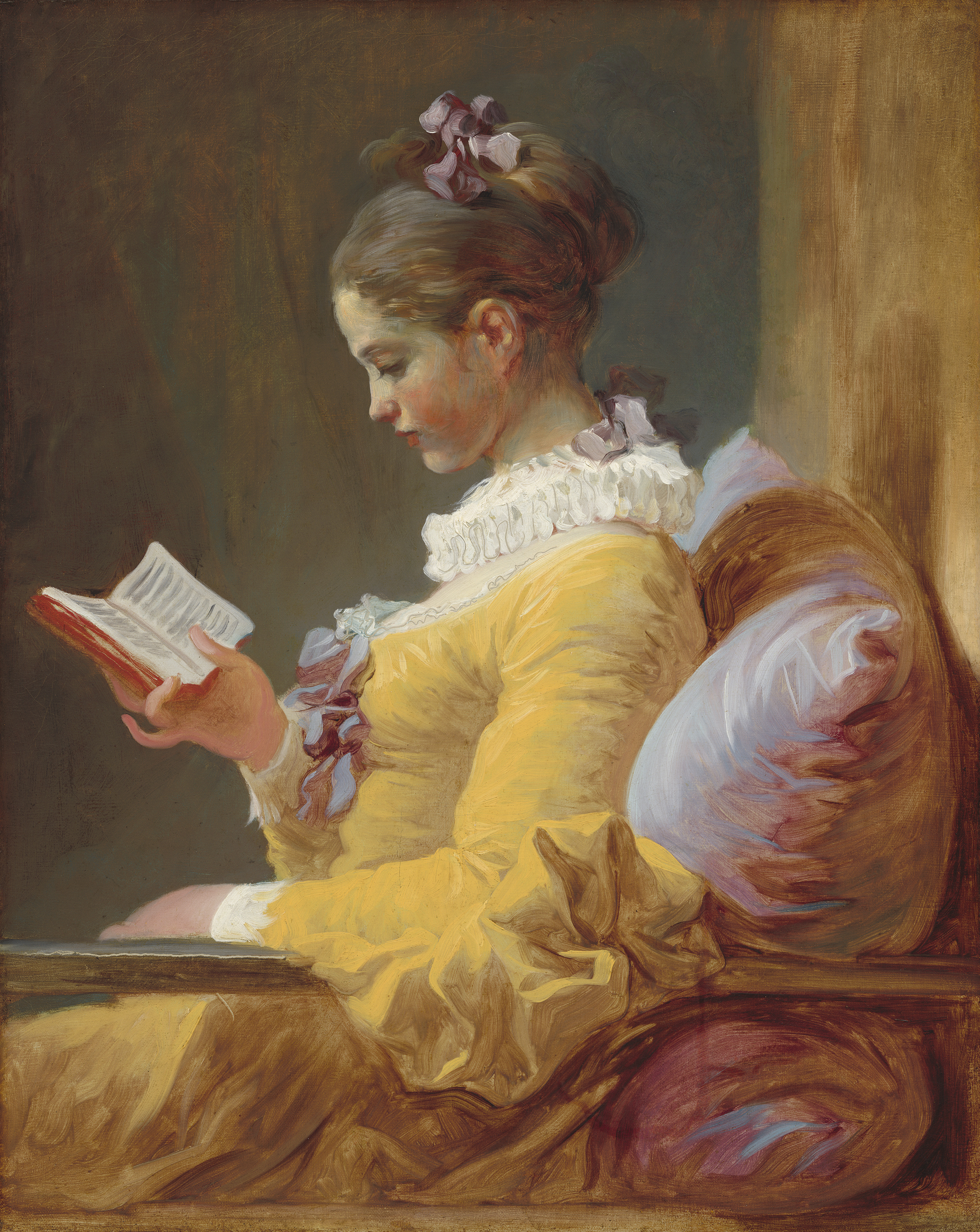
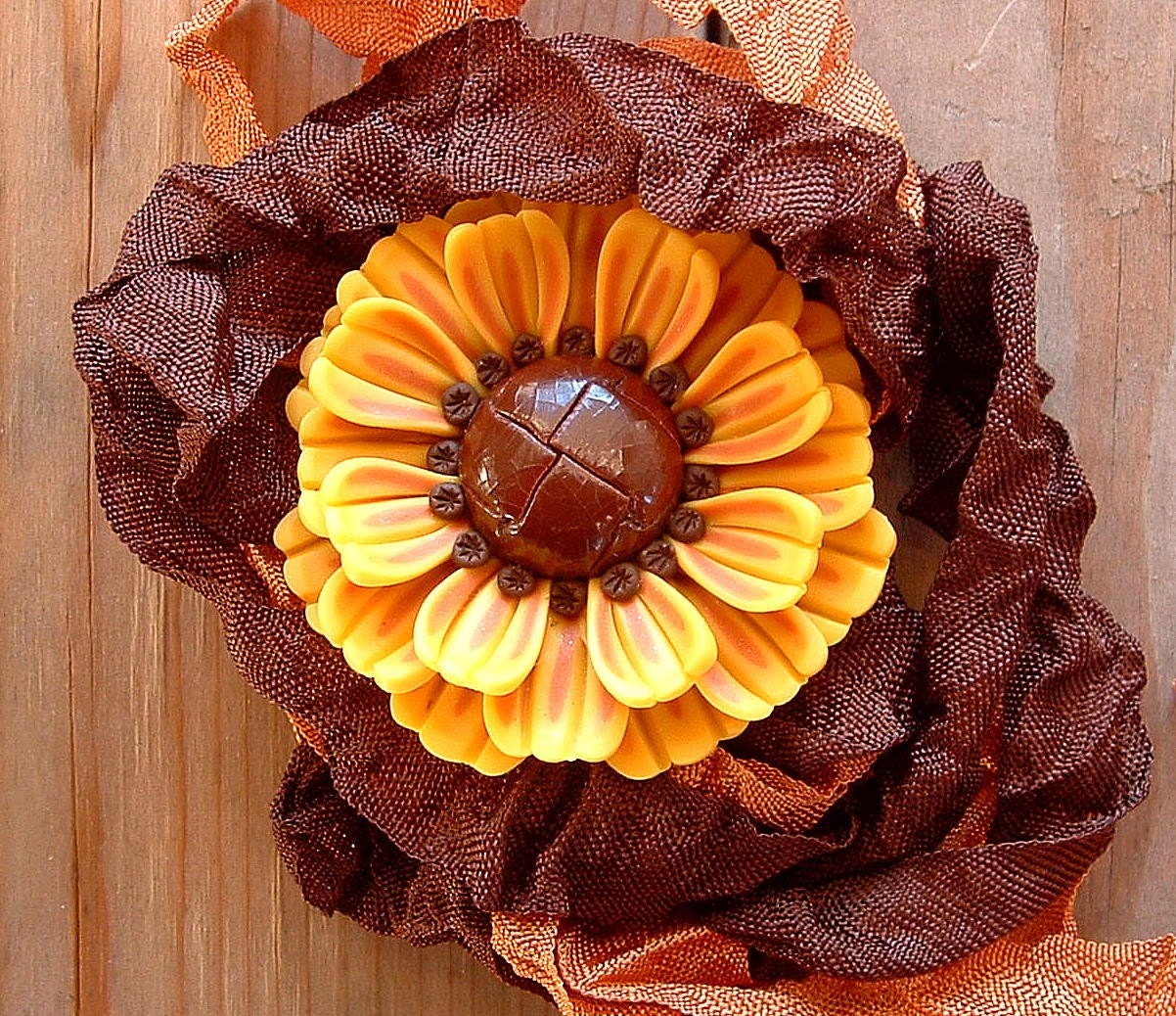
Fragonard's The Reader displays themes of gold and umber as in this Yellow Brown Eyed Susan Flower Pendant by Zuda Gay.


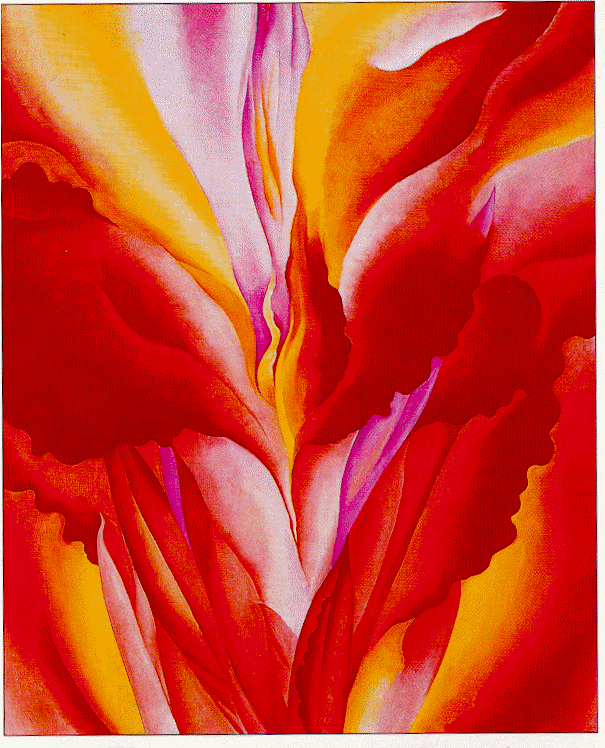
O'Keefe's Red Canna inspires the reds and oranges in this hand dyed Vegetarian Silk from Sassa Lynne.


Feeling inspired? We hope so! We can't wait to see where your color explorations take you.

Friday, August 27, 2010

A rose is a rose...

...but "rose," as a color, comes in many variations depending on who you are and the culture in which you live. Much of color description is subjective. By definition, color is "the quality of an object or substance with respect to light reflected by the object, usually determined visually by measurement of hue, saturation, and brightness of the reflected light; saturation or chroma." (Dictionary.com) In other words, pure white light is composed of an infinite spectrum of visible colors, though we only see a small percentage of them. The surfaces of all objects reflect some light wavelengths and absorb all the others. We perceive color when those reflected wavelengths reach the light receptors within our eyes and a message is transmitted to our brains. This working of the eye and brain together creates what we experience as color. (Pantone.com)  

Because the human brain is such a complex entanglement of memories, sensory and physical experiences, cultural interpretations, emotions, and thought processes, perception of color becomes more than mere recording of incoming light waves. Each person will "see" a color differently based on this meshing of physical stimuli (light) and the stored information the brain uses for interpretation. Many of us are familiar with the basic hues of the color wheel, that rainbow-like, circular progression of colors that represents primary, secondary colors, and tertiary colors. We can thank Sir Isaac Newton for this neat diagram which he created in 1666. "The renowned English scientist was 23 years old at the time. He was made to stay home from Cambridge University for over a year because the plague that was sweeping Europe had closed it down. It was during this period that Newton performed his famous spectrum experiments. To alleviate the boredom of quarantine, he punched holes in the curtains of his darkened room to study the effects of light passing through a prism. The light separated into the same progression of colors found in the natural rainbow." (Pantone.com)

Courtesy of the University of Minnesota 
http://www.sustland.umn.edu/design/colortechniques.html
Once we go beyond the basic colors we all learned in Art 101, naming and classifying gets a little more complicated...and interesting. Colors start to become associated with our emotions, cultural traditions, and physical surroundings, lending another hand in how we define certain hues. Nature has inspired many of our color names. With flowers, birds, and gems for inspiration, we get colors such as cardinal, daffodil, chestnut, sand, lavender, rose, eggshell, violet, emerald, fern, flamingo pink, lilac, goldenrod, mint green, copper, ruby, sapphire, straw, turquoise, and robin's egg blue. Considering how important food is to human societies, it is no surprise that a large number of colors are associated with our favorite foods: almond, pumpkin, lime green, lemon yellow, orange, apple green, banana, persimmon, cherry red, candy apple red, watermelon, bubble gum, cinnamon, maize, cotton candy, cream, chocolate brown, olive green, raspberry, tangerine, saffron, eggplant, honeydew, mustard, pistachio, plum, and vanilla. (Are you getting hungry yet?) 

Although some colors are generally agreed upon, finer distinctions of shade and exact hue vary widely from person to person. There isn't any standardization of color naming; even if there was, it would be difficult to tell exactly what color someone meant if he or she named a color because each person's brain interprets those light wavelengths differently. If I said an object was red, you might have a general understanding of what color I was talking about, but you might picture fire engine red while I was thinking of brick red. Some color names have been used interchangeably even though there are slight differences in hue. For example, aqua, aquamarine, cyan, turquoise, blue-green, green-blue, and verdigris are often used to describe some type of cross between blue and green. And lest you think that white and black are pretty safe to describe, keep in mind that even these "non-colors" can march subtly into the color spectrum. White might be antique white, champagne, eggshell, ivory, lavender blush, light goldenrod, linen, magnolia, or snow white; black could be charcoal, ebony, smoke, onyx, or jet black. It's all literally in the eye of the beholder. If any of you remember the 1948 Cary Grant and Myrna Loy movie, Mr. Blandings Builds His Dream House, you might recall this famous scene about paint colors that humorously illustrates how our views of color can cause a disconnect:


The list of colors in the English language alone is quite extensive. Some are very familiar, some are less common, and some are downright obscure. You may have heard of citrine, ochre, aubergine, azure, claret, and celadon, but could you point to something fulvous or piceous in color? Well, I admit I couldn't do so before I wrote this blog post! Let's explore a few unusual color names by means of a little matching game. Listed below are some colors that you may or may not recognize, followed by pictures of items made by members of the BBEST team. Try matching the color name with the item that most closely resembles that color...or take a best guess. Good luck!

Colors:
1. fulvous
2. piceous
3. alizarin
4. viridian
5. vinaceous
6. smalt
7. aureate
8. heliotrope
9. rufous
10. argent

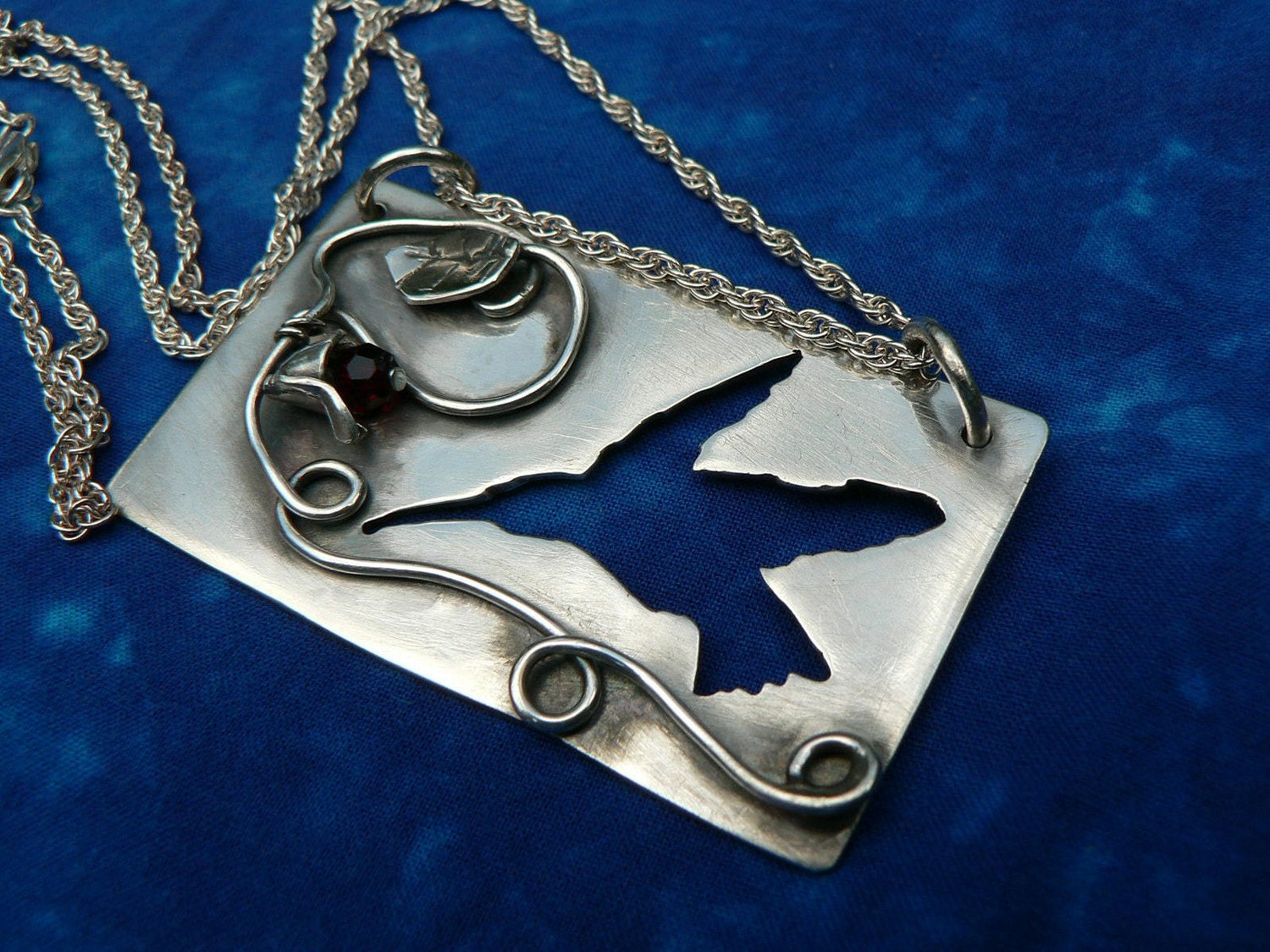
A. Hummingbird On The Fly Pendant by Hemlock Hollow Creations
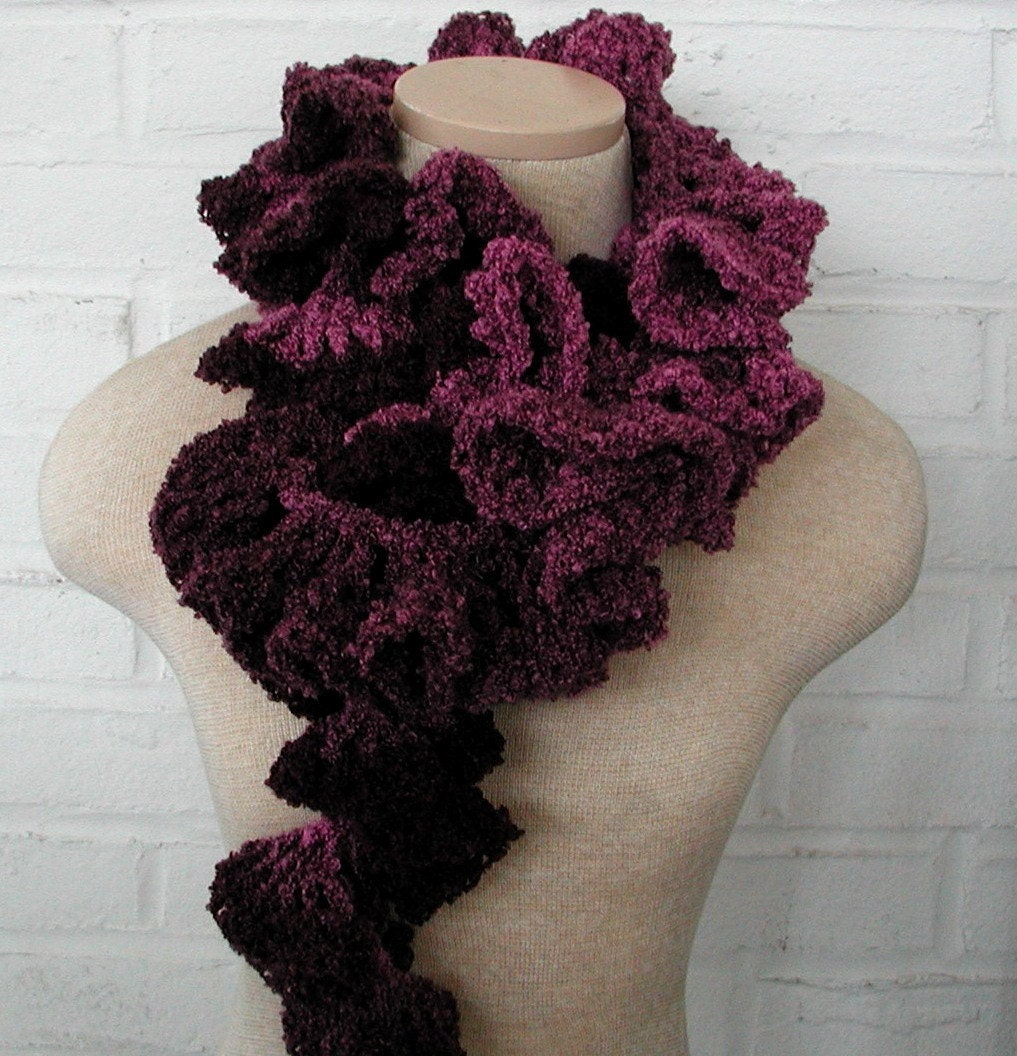
B. Burgundy Purple Ruffle Crochet Scarf by Blazing Needles


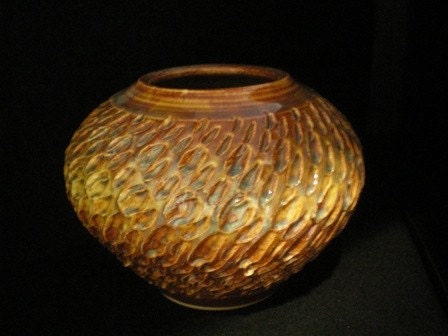
C. Textured Golden Vessel by Artsielady
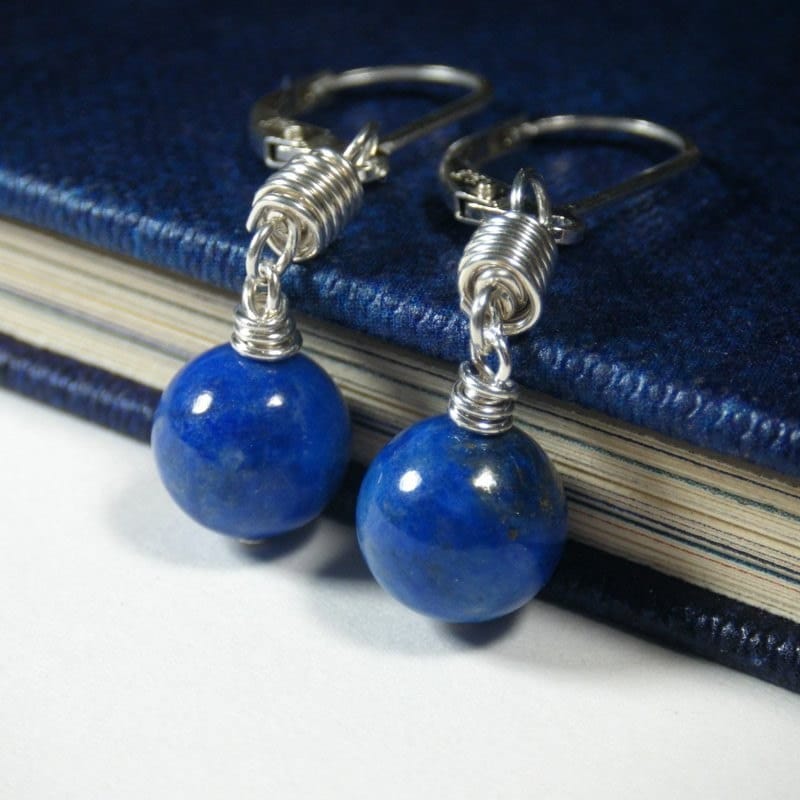
D. Handmade Lapis Lazuli Sterling Silver Earrings by Night Sky Jewelry
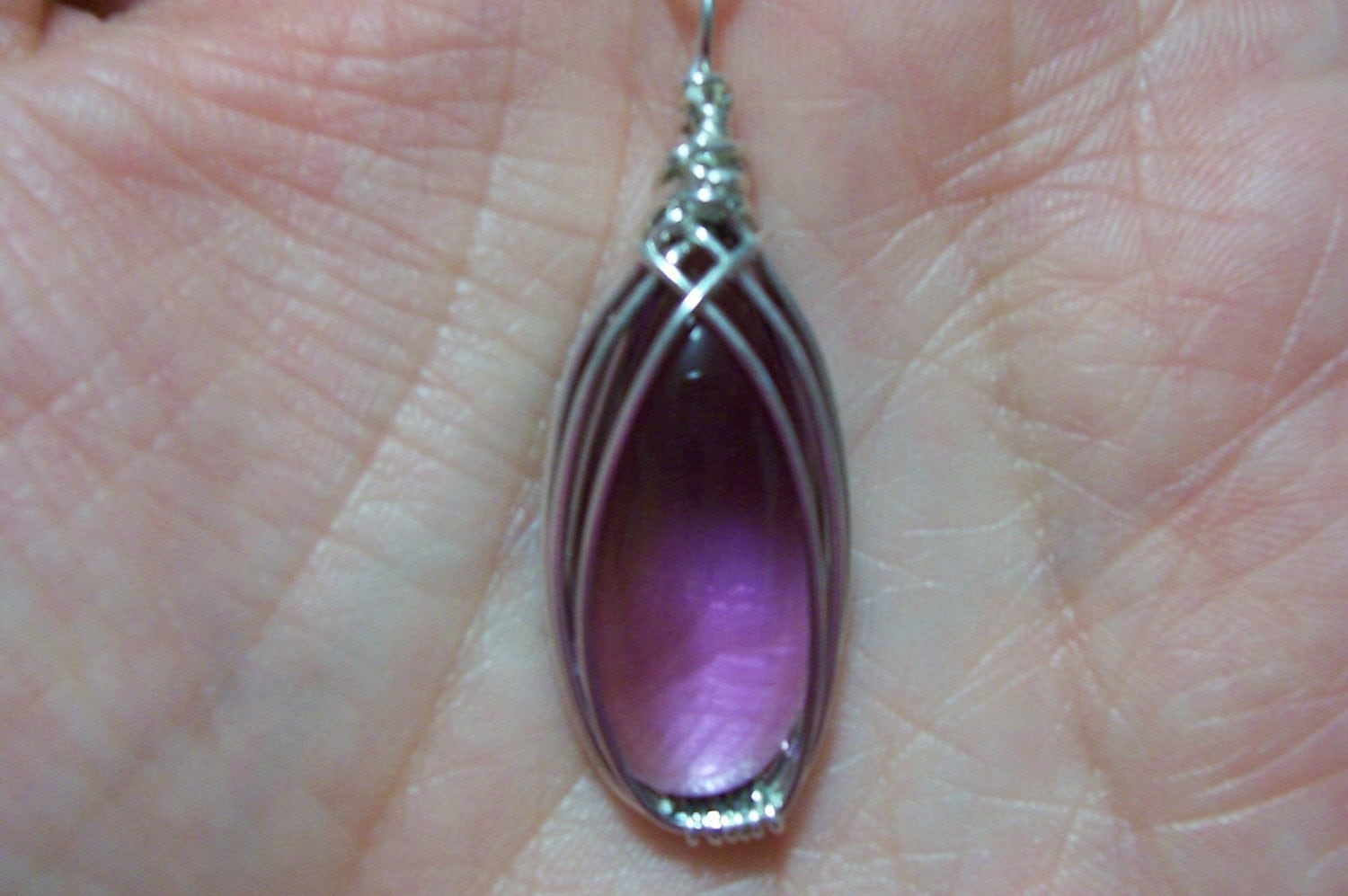
E. Purple and Sterling Pendant by Anna's Jewelry
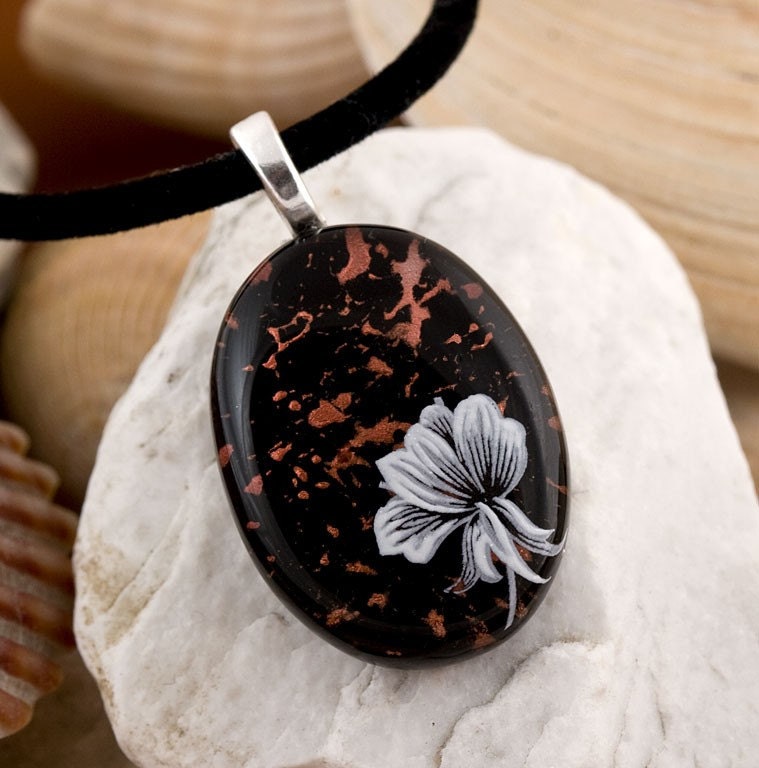
F. Copper Splash Fused Glass Pendant by Chauncey Design
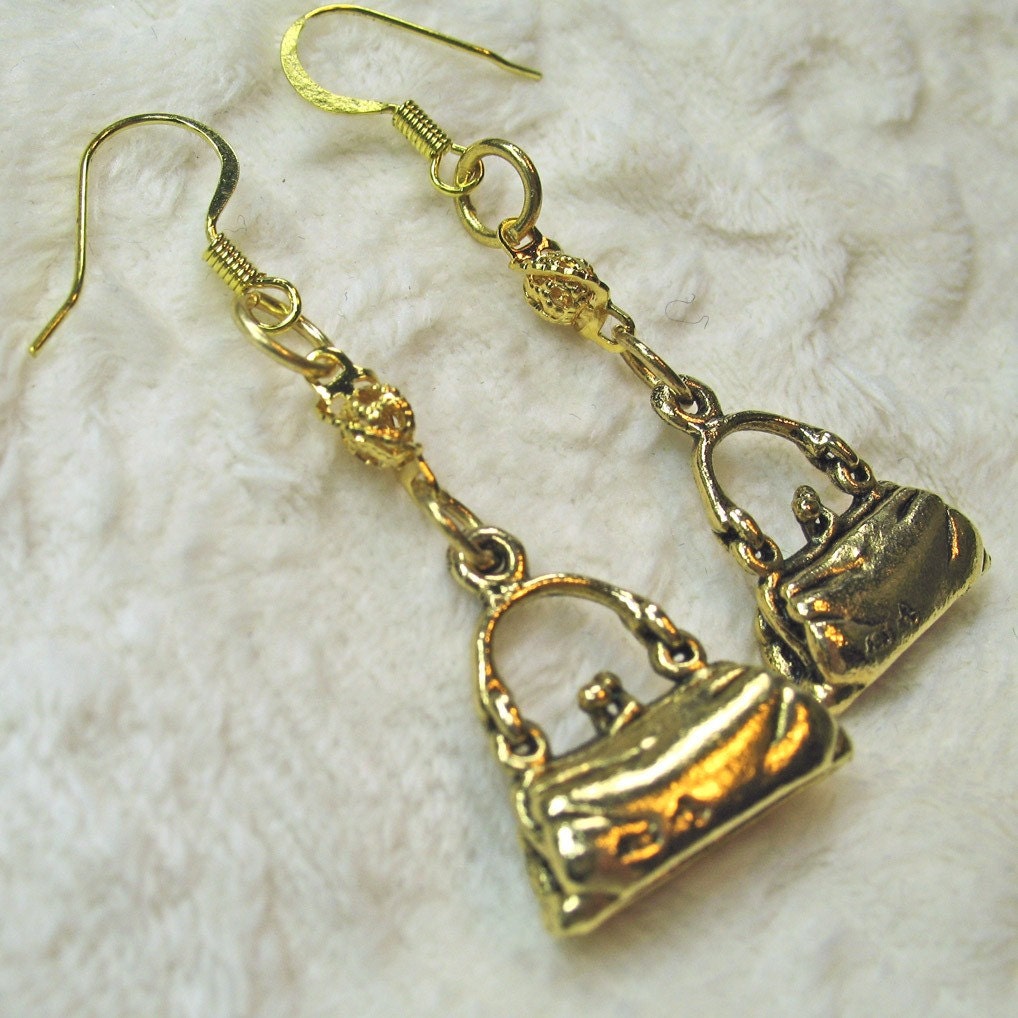
G. Shopaholic Dangle Earrings by Fantasy Creations 1
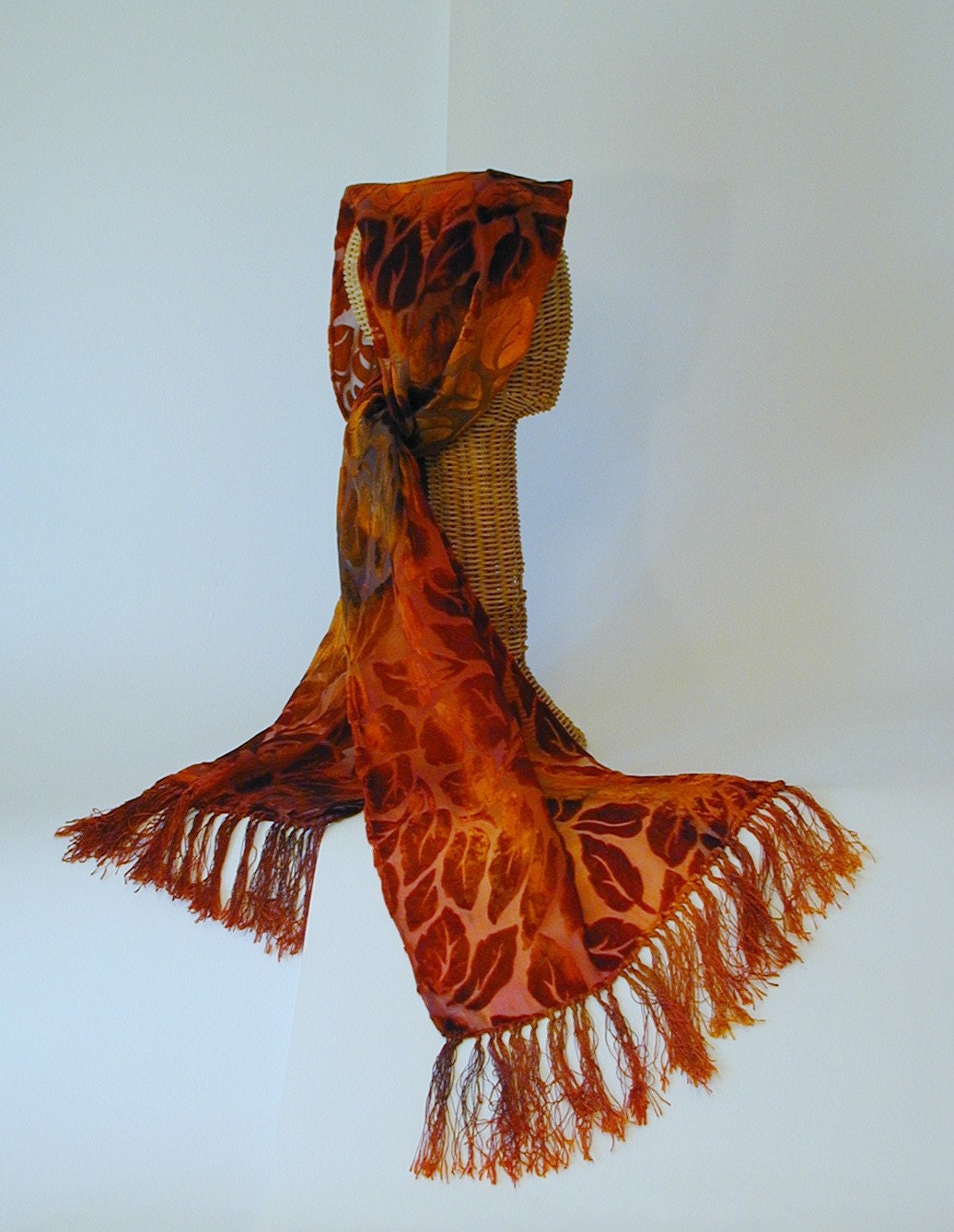
H. Rust and Red Velvet Scarf by Althea Peregrine
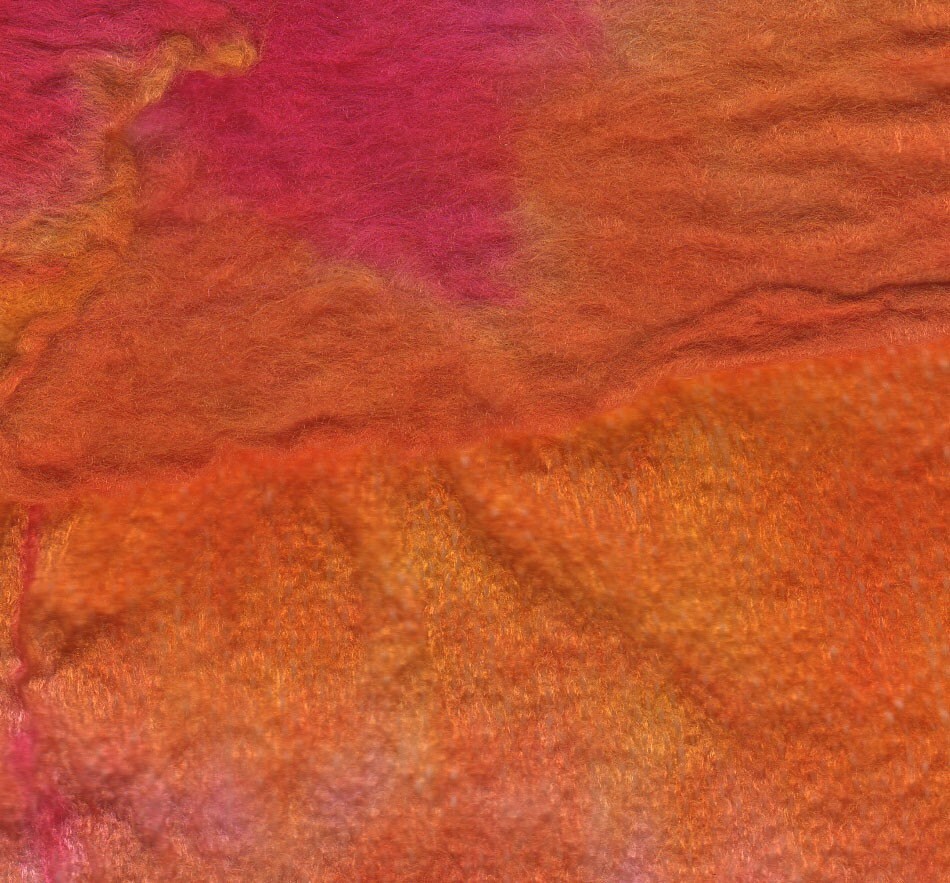
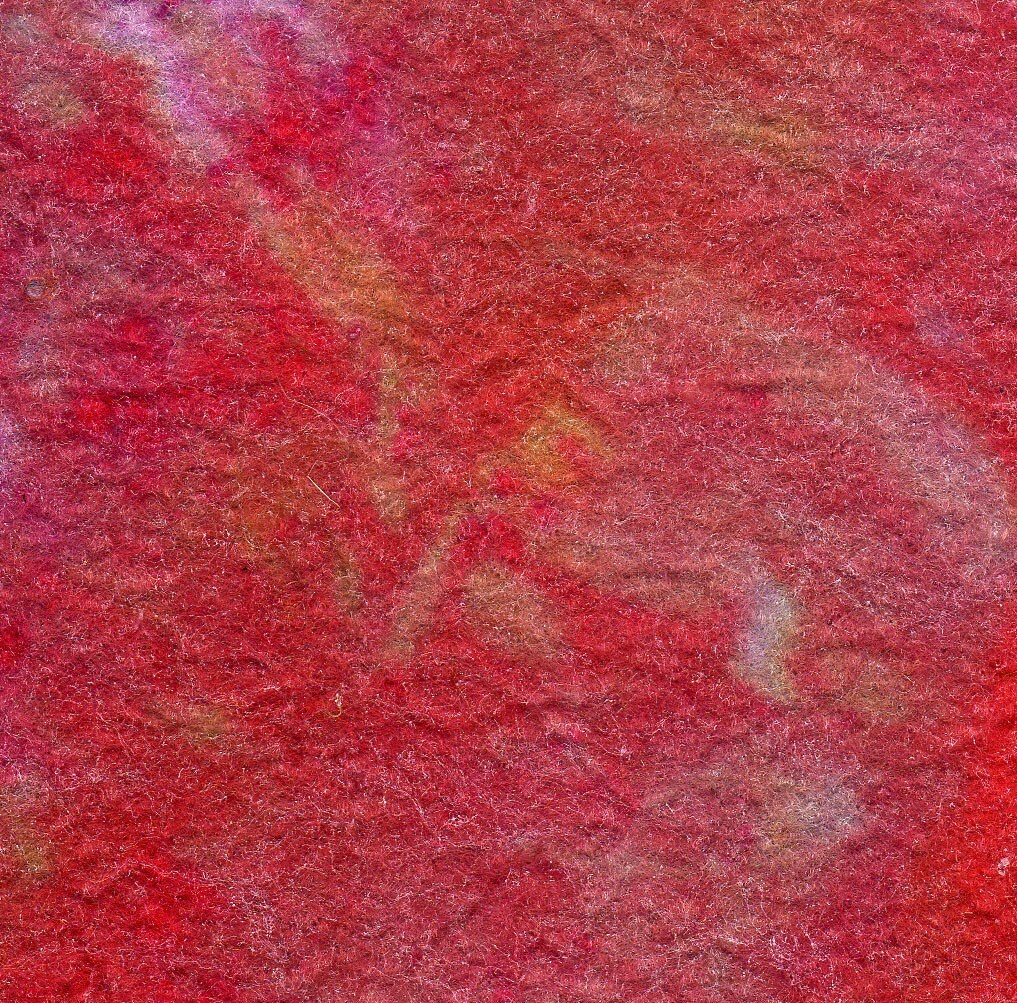
I. Fine Viscose Felt by Sassa Lynne
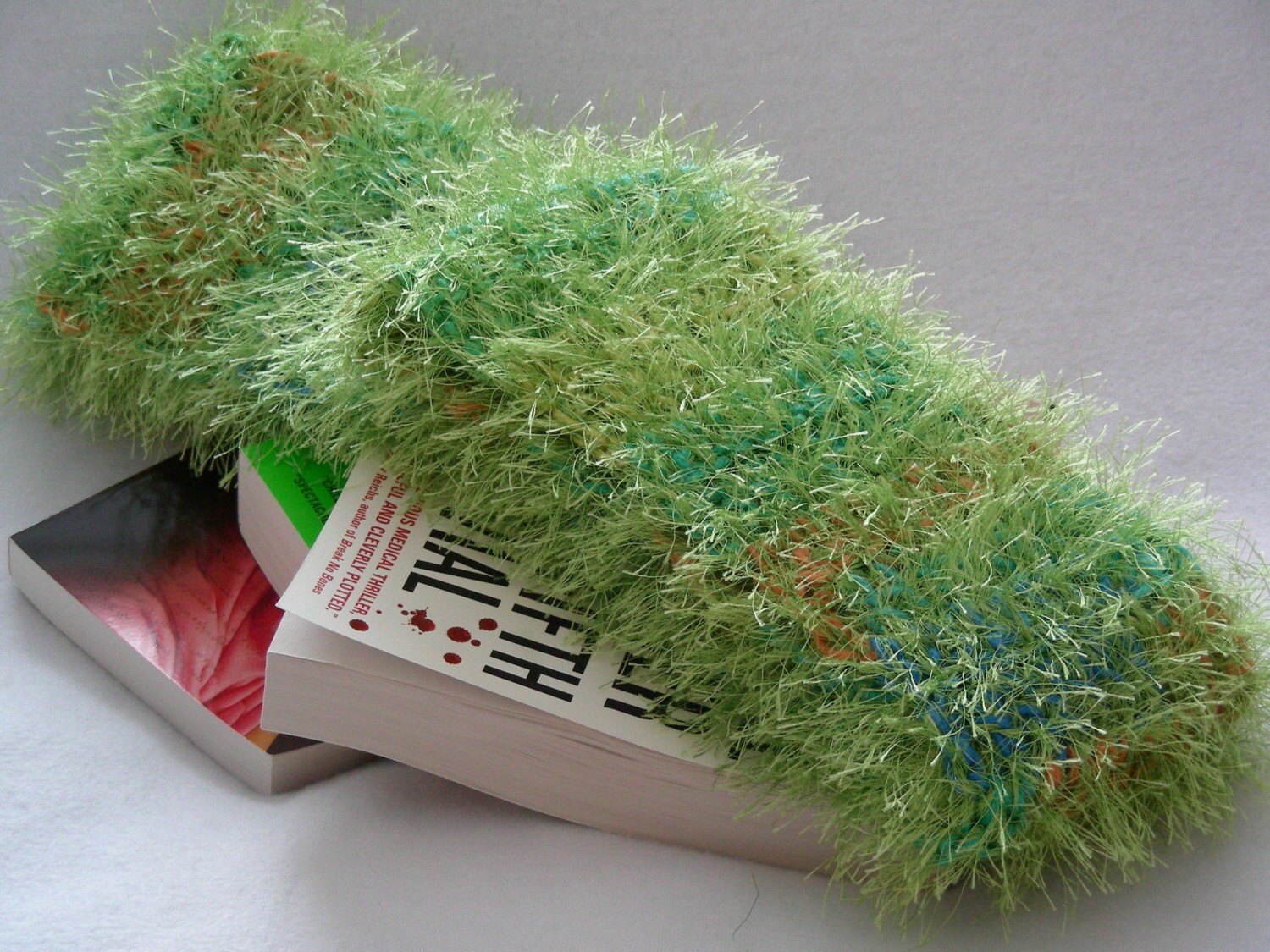
J. Whisper Soft Scarf in Lime with Multicolor Highlights by JN Originals

To explore more about color theory, here are some helpful resources:

http://en.wikipedia.org/wiki/List_of_colors
http://www.pantone.com/pages/pantone/Pantone.aspx?pg=19356&ca=29
http://www.colormatters.com
http://colortheory.liquisoft.com/
http://phrontistery.info/colours.html


Answers to the matching game will be published in the comments in a few days.

Friday, April 9, 2010

Teaching what you know

  If you be a lover of instruction, you will be well instructed.
       —Isocrates+

When I insisted on attending art school instead of a traditional university, my mother balked.  She kept insisting that I at least study teaching art, so I’d have something to “fall back on.”  However well intentioned and practical her advice was, I determined never to be a teacher.  So — how odd to find myself teaching now that I’m in my 50s and have much less patience than when I was younger.  I tend to be less than organized, to be polite about it, and often can’t see the forest for the trees, but I’m learning.  It never dawned on me that a grown person wouldn’t know you had to rinse your brush periodically, until a student asked me why her entire painting was brown. 

OLYMPUS DIGITAL CAMERA         Instruction does not prevent waste of time or mistakes; and mistakes themselves are often the best teachers of all.
         — James Anthony Froude

I thought it was lip service when I heard teachers say they learned as much from their students as the students learned from them.  It’s true!  Preparing lessons forces one to really think through their process, and watching others come up with solutions for their ideas can lead you in all kinds of new directions.  Creating ways to teach what you do in a limited time frame is also a great exercise. OLYMPUS DIGITAL CAMERA         I’ve been silk painting for over 20 years and was stumped when Jerry’s Artarama asked me to teach a two-hour class.  After wandering around the store with my hands in my pockets for a while, I came up with a short project idea that would whet students’ appetites.  It came off quite well and each student’s project was completely different from mine or anyone else’s. 

Sharing knowledge does not diminish one’s talent.
— Me

Which leads me to a point often brought up by artists and crafters:  why teach someone else to do the thing you’re trying to make your living at?  Aren’t they just out to steal your ideas?  Am I shooting myself in the foot by sharing my ideas?  No, no and no!  Teaching a person to read doesn’t mean they can write your story, does it?  Teaching someone a skill can often make them appreciate more fully what goes into the making of your art.  Altruism pays!          

+Isocrates the orator, not Socrates the philosopher, in case you were worried about that.

Wednesday, February 24, 2010

BBEST Bookies

I’ll bet you didn’t know that the first week in March is Return a Borrowed Book Week.  As a recovering librarian, I’ve seen the stigma, pain, and disgust associated with book felony, and would like to extend a hand of support to any who suffer from this malady.  This is the chance to get right with your friends, relatives, teachers and libraries:  make atonement!  Return your delinquent materials during this time of amnesty – librarians will look the other way and no pejorative remarks will be made!

il_fullxfull.119043974[1]It’s also a good time to mention our BBEST bookies.  We’ve got a few authors in our midst.  One of them is our own Myfanwy Hart, who’ll autograph your copy of her how-to book on tools and felt making, entitled The Embellisher:  Let’s Get Started!  Although nearly unpronounceable (to Yanks, anyway), Myfwany’s name is popping up more and more frequently in craft circles, so you’d better order your first edition before she becomes too famous!

il_fullxfull.111302490[1]Liz Plummer prints wonderful covers for Moleskin pocket books.  I’ve found these little books essential when traveling – just stick one in purse or bookbag and write down all your good ideas. il_fullxfull.101070780[1]  

Long-time BBESTer Judy, aka Mr. Penquin, has wonderful foldable books that are  intriguing gifts for all ages.  il_fullxfull.66996949[1] At JN Originals, she also makes beautiful wool needle books for the stitchers in our lives. 

il_fullxfull.103327522[1]


Book Wraps makes folios and book covers.  Her delightful stitched journal covers make room for a pen or pencil in a little pocket in the back.

BBESTers also offer bookmarks, book plates, vintage books, pins using book illustrations and all kinds of wonderful things book-related.  You can see them all by searching BBEST books.

Wednesday, January 20, 2010

To Another Year of Us being Us...


The Little Boy

Helen Buckley.

Once a little boy went to school.

He was quite a little boy

And it was quite a big school.

But the little boy

Found that he could go to his room

By walking in from the door outside,

He was happy

And school did not seem

Quite so big any more.

One morning,

When the little boy had been in school awhile,

The teacher said:

Today we are going to make a picture.

Good, thought the little boy.

He liked to make pictures.

He could make all things;

Lions and tigers,

Chickens and cows,

Trains and boats -

And he took out his box of crayons

And began to draw.

But the teacher said, Wait.

It is not time to begin.

And she waited until everyone looked ready.

Now, said the teacher,

We are going to make flowers.

Good, thought the little boy.

He liked to make flowers,

And he began to make beautiful flowers.

With his pink and orange and blue crayons.

But the teacher said, Wait!

And I will show you how.

And it was red, with a green stem.

There, said the teacher,

Now you may begin.

The little boy looked at the teacher's flower.

Then he looked at his own flower.

He liked his flower better than the teacher's.

But he did not say this.

He just turned his paper over

And he made a flower like the teacher's.

It was red, with a green stem.

On another day,

When the little boy had opened

The door from outside all by himself,

The teacher said:

Today we are going to make something with clay.

Good, thought the little boy.

He liked clay.

He could make all kinds of things with clay:

Snakes and snowmen,

Elephants and mice,

Cars and trucks -

And he began to pull and pinch

His ball of clay.

But the teacher said:

Wait, it is not time to begin.

And she waited until everyone looked ready.

Now, said the teacher,

We are going to make a dish,

He liked to make dishes,

And he began to make some

That were all shapes and sizes.


But the teacher said, Wait

And I will show you how.

And she showed everyone how to make

One deep dish.

There, said the teacher.

Now you may begin.

The little boy looked at the teacher's dish,

Then he looked at his own.

He liked his dishes better than the teacher's.

But he did not say this.

He just rolled his clay into a big ball again

And he made a dish just like the teacher's.

It was a deep dish.

And pretty soon the little boy learned to wait,

And to watch, And to make things just like the teacher.

And pretty soon

He didn't make anything of his own any more.

Then it happened

That the little boy and his family

Moved into another house,

In another city,

And the little boy had to go to another school.

This school was even bigger than the other one,

And there was no door from the outside into his room.

He had to go up some steps,

And walk down a long hall

To get to his room.

And the very first day

He was there,

The teacher said:

Today we are going to make a picture.

Good, thought the little boy,

And he waited for the teacher

To tell him what to do.

But the teacher didn't say anything.

She just walked around the room.

When she came to the little boy she said:

Don't you want to make a picture?

Yes, said the little boy,

What are we going to make?

I don't know until you make it, said the teacher.

How shall I make it? asked the little boy.

Why, anyway you like, said the teacher.

And any color? asked the little boy.

Any color, said the teacher.

If everyone made the same picture,

And used the same colors,

How would I know who made what?

And which was which?

I don't know, said the little boy,

And he began to draw a red flower with a green stem.

*******


Just a little congratulations

on pursuing your art

in spite of any odds you may

have met up with along your way.


Thanks to all my BBEST friends

for just being you.


Friday, November 27, 2009

Holiday Treasures

Boomers love their holidays, and craft like crazy to prove it!  Here’s just a sample of holiday decorations by the BBEST team, from goats’ milk soap to melting snowmen, and mini quilts to doggy scarves.  Clicking on the links below the tree will take you directly to the items shown.  You can see many more possibilities by searching BBEST holidays on Etsy.  Happy shopping!

bbest_tree

Row one:  Pretty little angel topper by Nonnie.

Row two:  Christmas seals pendant by fireflyglassdesign; melted snowman ornament by uniqueXpression.

Row three:  recycled felt wreath ornament by maddyandme; white snowflake glass ornaments by Chris1; peace crane stained glass dove by DianasStainedGlass

Row four:  fabric origami crane ornament by Asianexpressions; Santa star ornament by Artsyclay; retro bear in a box ornament by birose ; mini quilt ornament by PocketComfort.

Row five:  poinsetta window cling by clingingimages; doggy holiday scarf by bagsandmorebypam; wine cozy by blazingneedles; holiday pendant by Chauncey

Row six: starburst temari ball by luckygirltrading; Santa card block print by Sixsisters; gingerbread man soap by aromafields; Smokin’ Santa assemblage by JunkyardGypsy; borosilicate glass ornament by gimmebeads ; angels beaded ornament by jstinson

Row seven: holiday snow note cards by pdforiginalartworks.

Tuesday, April 28, 2009

Watering a Dry Spell

I'd just about guarantee that we all know the feeling of being in a creative dry spell. Your mind is empty, that piece of writing paper is excessively blank, designs refuse to work the way they should, and you'd rather be sitting in the sun sipping something frothy and fruity than be anywhere near your office or work table. What do you do when the artistic doldrums take root?

Well, I wish I could say I had all the answers to wash away the blahs, but I don't. In fact, here I am, 9:30 - no, now 11:30, the night before this blog entry is due, and I haven't a clue what to write. I feel like I am back in school trying to compose that 15-page paper that I waited until the last minute to write. I remember sitting in my parents' basement (my desk and stereo were down there), dozens of index cards covered with almost illegible notes piled in front of me, stacks of library books covering the old, 1960s Colonial print sofa, pencils sharpened, half-chewed pens at the ready, and my trusty Smith Corona manual typewriter sporting a clean, white sheet of paper. I was all set to write that ground-breaking thesis, except for one thing: my thoughts wouldn't gel. I might as well have been looking at stone tablets incised with hieroglyphics. Nothing made sense. My brain was drained.

"Maybe I will feel more inspired after a snack." I'd appease my inner muse with food to encourage her to return to work. Half a bag of chips or six cookies later, I was no closer to putting my thoughts on paper; the only thing that had been coaxed out by that culinary bribery was my waistline. Maybe I needed a nap. No, unfortunately no time for that. The report was due in the morning. Music...certainly music was well known for enhancing creativity. Luckily I had headphones for that stereo which was playing late into the night.

I am rather embarrassed to say that all my procrastination techniques were repeated quite often during my school days, resulting in papers being written at 3 am, a trend I have retained through my "mature" years, much to the annoyance of my parents, and now, my dear husband. Yet, the curious thing about those evasive tactics is that, eventually, I did write those papers, or later, sew those curtains, or make jewelry for impending craft fairs, and the results were usually better than if I had started early to plan and construct, then worked at a slower, more methodical pace. For me, the creative method that works best is one of collecting information, stewing and thinking (and to the outside world, looking like I am doing nothing) until my mental concoction has sufficiently brewed and is ready to burst forth in a flurry of activity, complete.

I would not necessarily advocate my methods for anyone but myself, of course. Your mileage will vary. However, there are a few elements commonly related to banishing dry spells that are hidden in this approach.

First, step away from the task at hand. Stop trying to force things to come together. Breathe, walk, meditate, listen to music, visit a flower garden, fold clothes, walk the dog, enjoy a cup of tea, or whatever feels right and relaxing at that moment. Don't think of this as evading what you have to do; think of it as clearing the mind in order to open the airways to receive new inspiration.

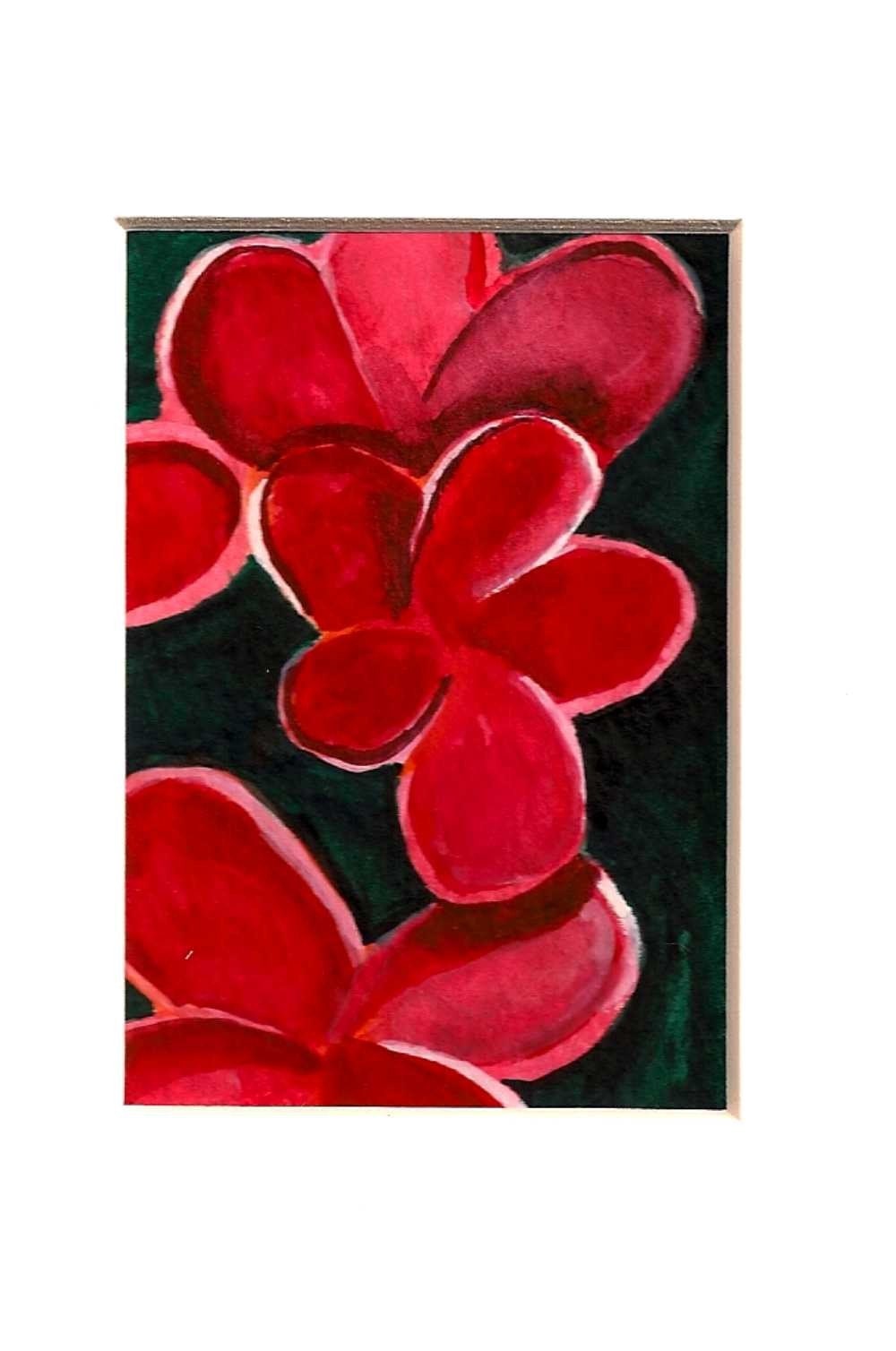
Original Print of Pink Orchids
by Beth Peardon Prods

If a short break is not enough, sleep on it. A good night's sleep allows the mind to percolate about ideas as well as to rest and rejuvenate the muses.


Perhaps a change of location will stimulate your creative juices. Try creating in a different venue, or even set up a small table outside. Move your supplies to a different room. Use an unfamiliar desk in a different room, or move your work table into a new corner. What do you see from this vantage point? If you can't move to another spot, then change your mental perspective. Really look at your surroundings with a fresh eye and note something you may not have noticed before; jot down some quick observations. Which colors stand out? What objects have you missed during your usual routine? Tilt your head to the left, then right. Do you see anything out of the ordinary? You never know what small detail, previously hidden from view, could jump start a new design or story idea.

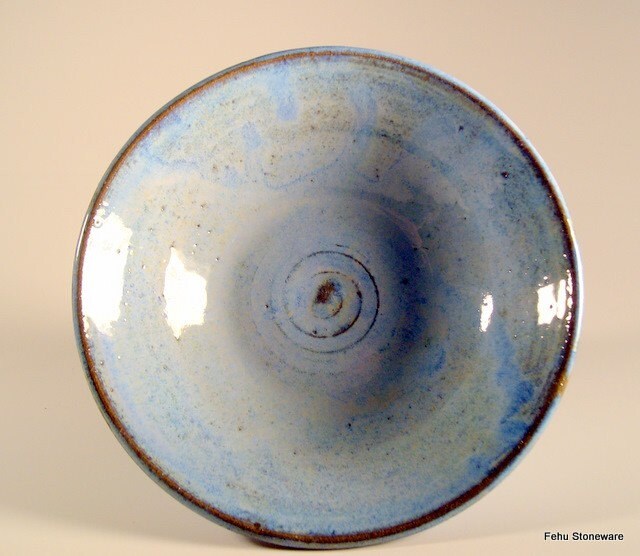
Original Painting "Reflection" Watercolor
by The Creators Palette

Play the combination game. Without conscious planning, start putting together random materials in whatever way first comes to mind. These could be seemingly odd matches at first, but keep switching things around to see what appears. The more unusual the mixes the better, for these break old thought patterns and allow you to step outside the box in terms of creativity.


If you are a writer, then play with word sequences and associations. Open a dictionary, close your eyes, and point to a word. Open your eyes and write down what you see; repeat this process until you have a list of words from which to start a theme for a written piece. Try to write until you include all the words. Don't think too hard about this process. Just write what streams into your mind!


Old Glory Beaded Pen
by Ghi-Goo-ie Designs (JStinson)

Maybe it is time to move in a completely new direction. Try your hand at an unfamiliar craft or learn a different method within your current artistic field. Sometimes a break from the norm will re-ignite a passion for your old creative flame, but be prepared, for your crafting direction may shift to something entirely new. This new path may be a temporary diversion or it might be the beginning of a life-changing adventure into a craft which fuels your imagination much better than any previous artistic endeavors did. Don't fret if this happens. It is ok to move on if that is where your heart takes you.


Southwest Heart Treasure Box
from Jill's Treasure Chest

Most of all, be gentle with yourself when you are feeling dry. If you put pressure on yourself to perform the same every day, you will crumble under the weight of undue expectations. Plants growing during a dry spell are delicate and must be carefully and lavishly nurtured. Remember that creativity is not a steady, uniform stream, but rather an intermittent shower. Enjoy the times when inspiration is raining down, and rest when there isn't a drop of it. Go with the flow and your dry spell will eventually be quenched.