Showing posts with label gemstone. Show all posts

Monday, November 30, 2009

Holiday Jewelry Showcase

With the holidays coming up fast, you may be thinking of giving jewelry as a gift. Or perhaps you are in need of a special accessory to complete an outfit for a festive occasion. What should you choose? With the staggering number of items available in the jewelry category at Etsy, any shopper can feel overwhelmed and unsure of where to begin a search. Once past the initial choices of which color, bracelet or necklace, pierced or clip earrings, you will be faced with evaluating methods of construction, types of materials, and stylistic differences. It may be hard to decipher the terms used to describe each piece of jewelry while comparing listings.

The work of BBEST jewelry artisans covers a broad spectrum of color and design options, and offers a good overview of jewelry-making techniques. To assist you in finding just the right jewelry for your gift-giving and holiday wear needs, let's take a look at some jewelry basics.

The most obvious initial decision to make is what type of accessory to pick: earrings, necklace, bracelet, brooch, anklet, pendant or ring. Earrings come in pierced or clip styles; if choosing earrings for someone else, make sure you know what type of earrings your gift recipient can wear. Pierced earrings can be made using a variety of earwire styles:

stud - sits close to the ear and does not hang down

wire hook (sometimes called French hooks) - versatile and available in a great number of designs

kidney wire - delicate wire hook that latches with a small loop at the bottom

leverback - closes completely by hinging at the bottom and latching at the back of the ear; very secure and good for heavier earrings

ear threads - made of very thin chain which goes through the ear piercing and dangles below the ear

Anything but a stud will dangle somewhat below the ear. 


Earwires can be made of sterling silver, copper, brass, surgical steel, niobium, gold, gold-filled, rhodium, steel, titanium, and plated metals. It is possible for someone to be allergic to any of these materials, and many people are sensitive to the nickel content in metal alloys used for jewelry. Consider whether or not your giftee has special requirements in terms of earwire material. To be safe, choose items stated to be nickel-free, or select an earwire made of a generally-accepted hypoallergenic metal, like niobium, titanium, or surgical steel. Although some people are sensitive to sterling silver, it is still wearable by a large number of people, so it might be the next best option when the recipient's metal sensitivity is unknown.


Necklaces comes in a wide variety of lengths and closure styles. The most popular lengths are 16", 18", and 20-24". The 16" length will generally sit closer to the neck unless the wearer is short or petite. An 18" length is considered average and great for pendants. Longer lengths will generally sit over rather than within the neckline of a shirt. Most jewelry makers will offer length adjustments when the necklace design allows, especially when chain is involved. Some necklaces come with extender chains for versatility.


 Materials and methods for necklace construction include:
1. Beads strung on jewelry wire, a strong, multi-stranded, coated stainless steel wire.

2. Links of hand-shaped or wrapped wire with or without beads in between, usually sterling silver, copper, brass or gold.

3.Hand-knotted silk, hemp, nylon or cotton cord. Silk knotting is a traditional method for stringing pearls. Knots keep the pearls from rubbing together, and prevent loss of beads if the necklace breaks.

4. Chain - endless variety of link shapes and sizes in a wide range of solid and plated metals; great for one or more charms or singular pendants.

5. Beadwoven - patterns woven, often with a bead loom, of small or "seed" beads and nylon thread; intricate pictorial designs can be made.

6. Cord in nylon, leather, silk, fabric, hemp, rubber, ribbon, velvet, microfiber suede, and satin; simple in style and a popular choice for wearing singular pendants when chain is not desired.


Bracelets and necklaces share a lot of common characteristics: they can be made of chain, multi-stranded jewelry wire, hand-shaped or wrapped wire, beadwoven, and knotted cords, but they can also be solid bangles made of metal, plastic or wood, or beads strung on a coil of memory wire which does not require a clasp. Bracelets can also be made of fabric, often in a cuff style, and embellished with beads, buttons, small bits of quilted fabrics and lace. Charm bracelets and necklaces have become very popular, and they consist of one or more new or vintage charms suspended from a chain, sometimes combined with beads, or themed (eg: nature, travel, hobbies) in nature.


Native American Beaded Bracelet (beadwoven technique)

As with necklaces, lengths for bracelets vary and can range from 5 1/2" to 8". Many jewelry artisans can adjust a bracelet to meet your needs; some bracelets come with extender chains. When deciding on a bracelet length, the best way to determine size is to measure the wrist and add 1/4" to 1/2" for comfort (except for cuffs which fit more closely to the wrist). Make sure to read the item description carefully to determine if the bracelet measurement listed is the actual length or the size of the wrist it will fit. A 7" long bracelet made with tiny 4mm crystals will fit a larger wrist than a 7" bracelet made with 10mm pearls because the width of the larger beads will take up more space than the small ones will.


Both necklaces and bracelets utilize closures which affect not only the design, but the ease with which the wearer can put on and remove the jewelry. Closure types include ring clasps (round with a spring), lobster clasps (elongated and hinged like lobster claws), toggles (one T-shaped end slides into a closed circular end), hook and eye, magnetic, barrel (screws closed), and box clasps (v-shaped piece of metal slides into a square slot and pops open to lock in place).

Let's not leave out rings and brooches! There are three general categories of rings represented by BBEST: wire-wrapped, gems or stones in pronged or bezel settings, and premade bands which have been embellished with cabochons. Cabochons are solid stone, glass, metal or decorative elements which are convex on the top and flat on the bottom. Cabochons are often attached to the flat area on the band using a jewelry adhesive. Brooches can also use cabochons in their designs; any flat-backed element can be adhered or wired to a pin back to create a unique piece.
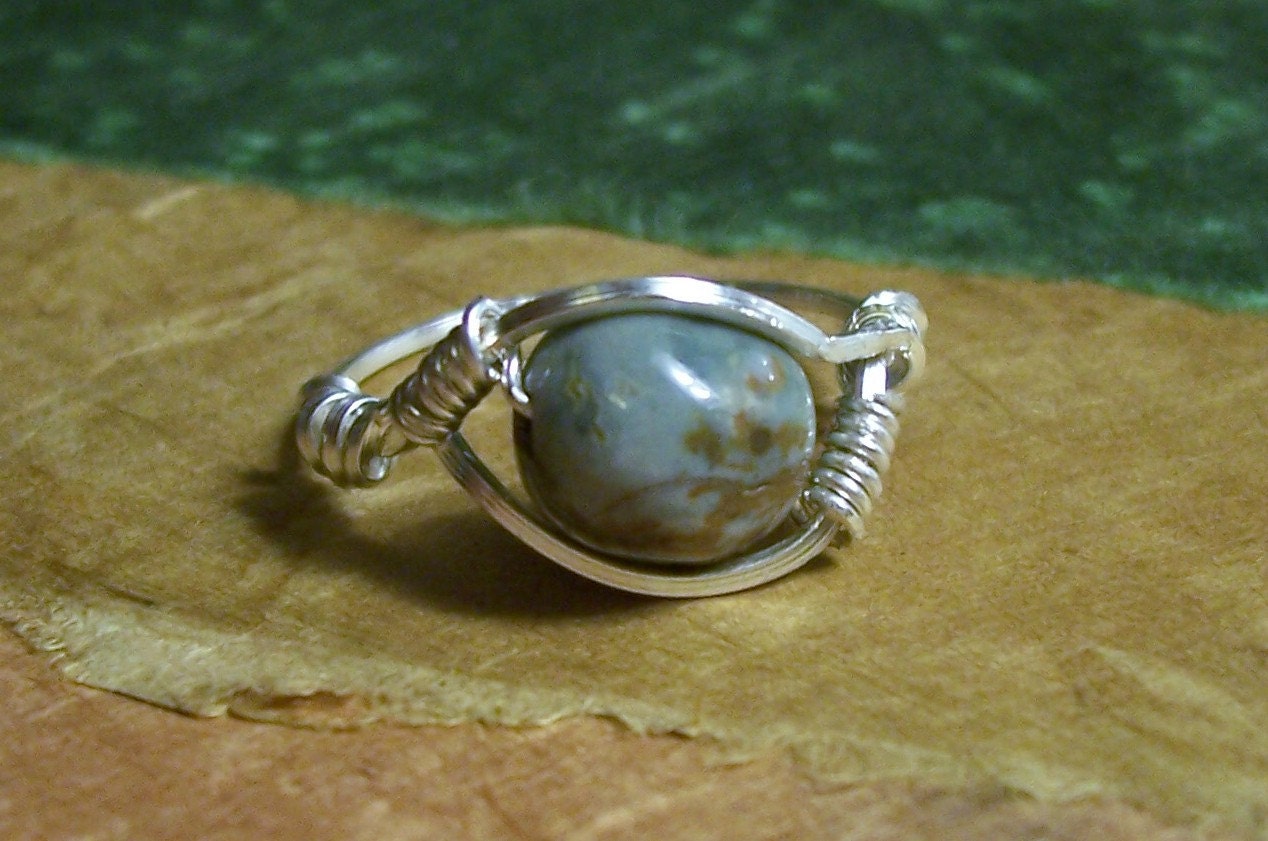


Once you have decided what type of jewelry you want to give, you'll need to find a style that appeals to you, or that you think will appeal to your gift recipient. Jewelry designs can be created from an almost endless variety of materials such as shaped and wrapped wire, charms, gemstones, glass beads, crystals, seed (tiny) beads, metal beads, lucite or plastic beads, filigree connectors, precious metal clay, wood beads, freshwater pearls, glass or crystal pearls, polymer clay, ceramic beads or pendants, fused glass, lampwork and borosilicate glass, recycled materials, vintage elements, fabric, fiber and felt. Styles can range from classic and traditional, modern, simple, bold, funky, natural, Victorian, vintage, steampunk, whimsical or fantasy, themed, chainmaille, and bridal and special occasion.
 
To further help you define your style,
let's look at more BBEST jewelry offerings.
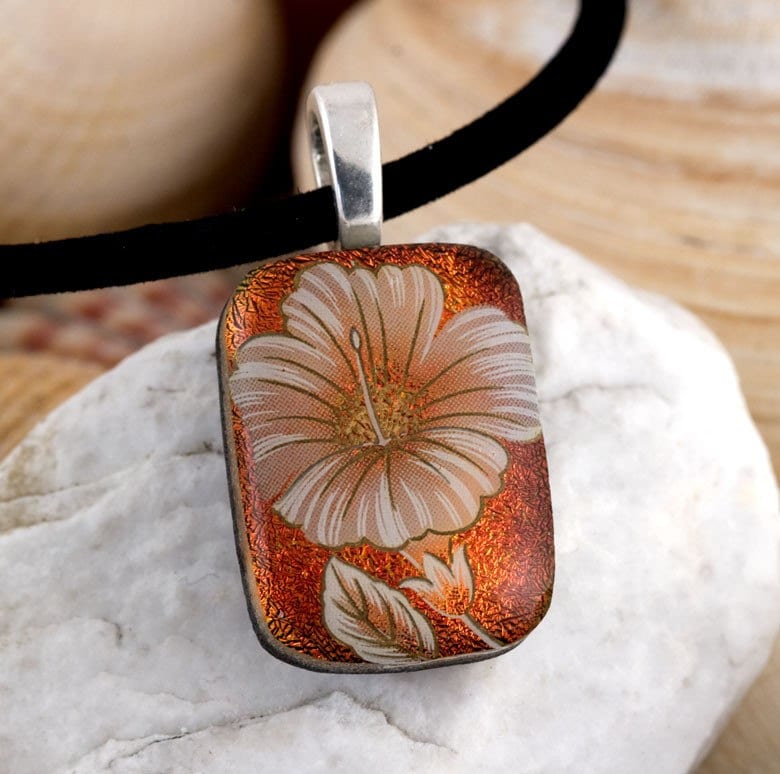

Fused Dichroic Glass
 

Fused Dichroic Glass
 

Precious Metal Clay
  
Strawberry Leaf Pendant

Polymer Clay
 

Polymer Clay


Handpainted Wood

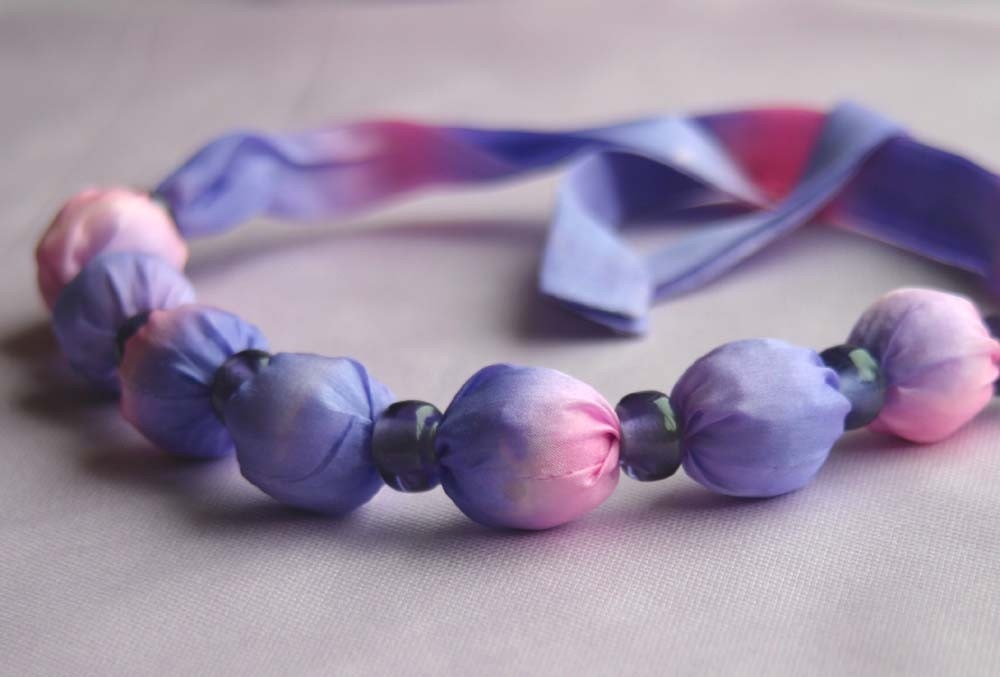
Fabric-covered Beads
  
Lavender and Pink Silk Necklace 
from Colours and Textures
 

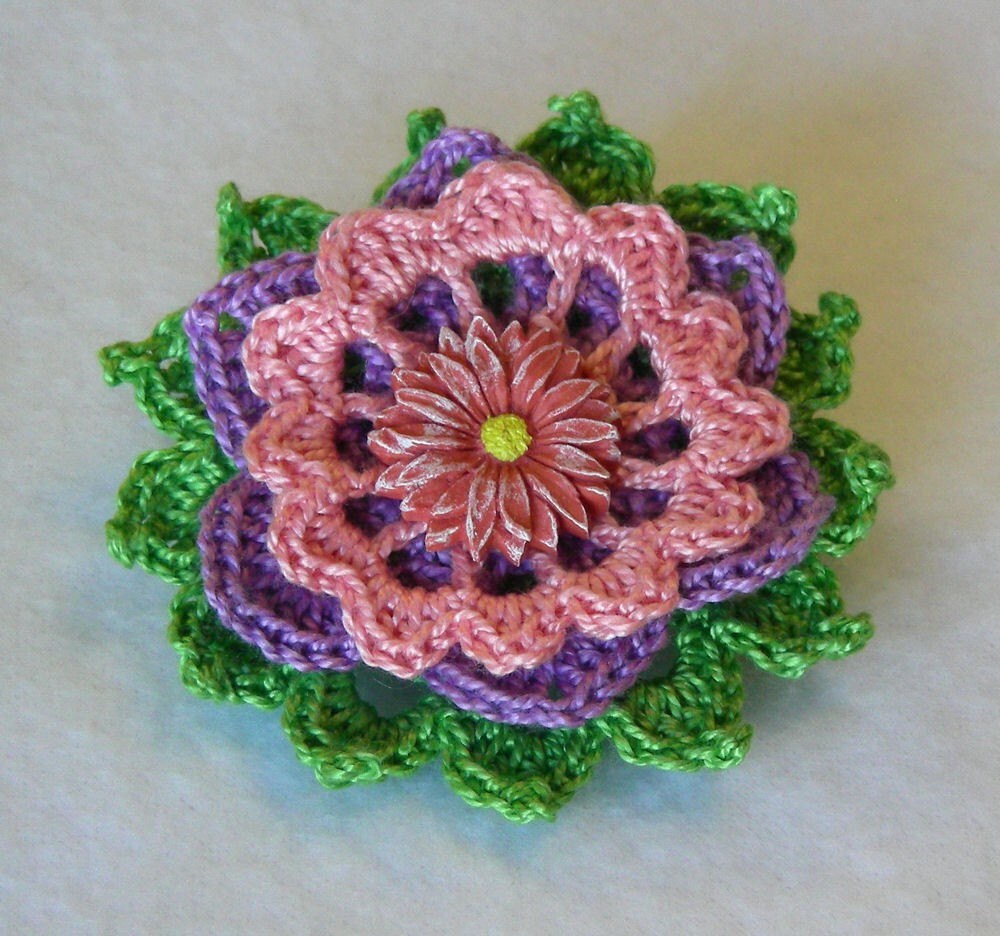
Crocheted


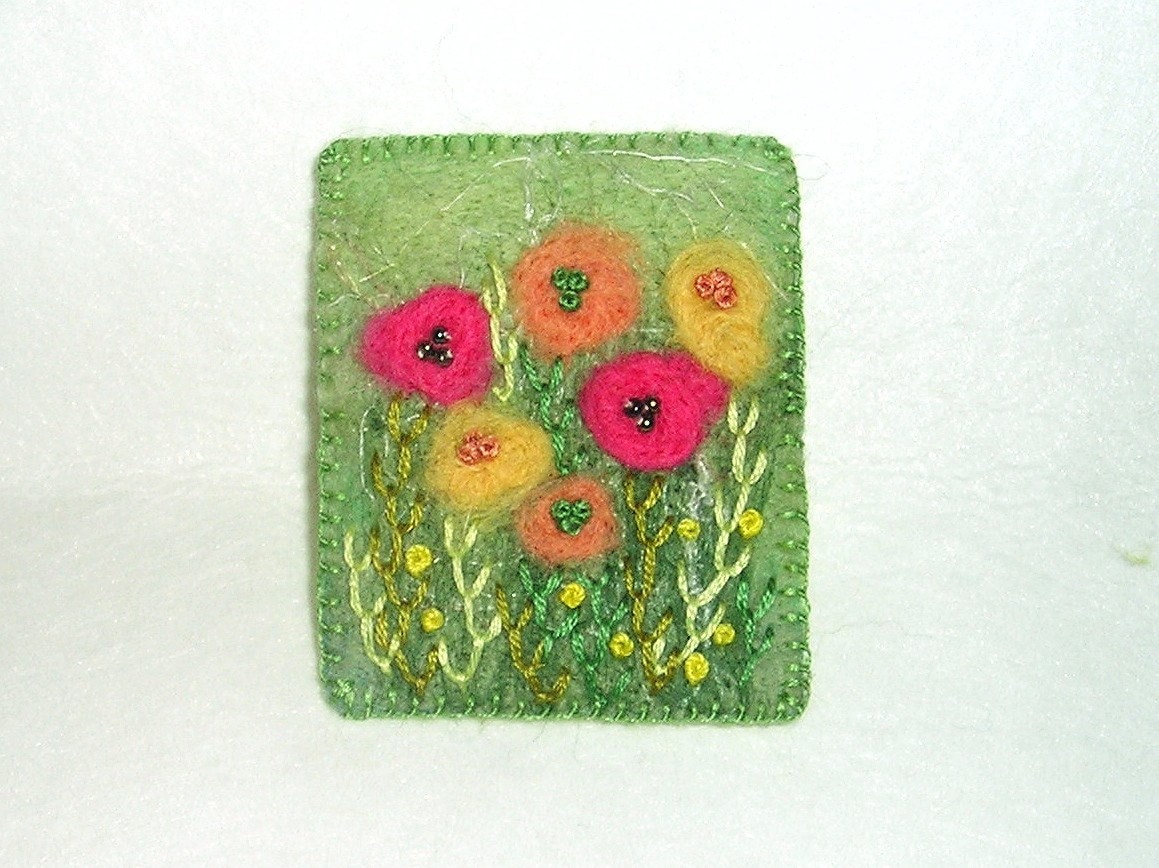
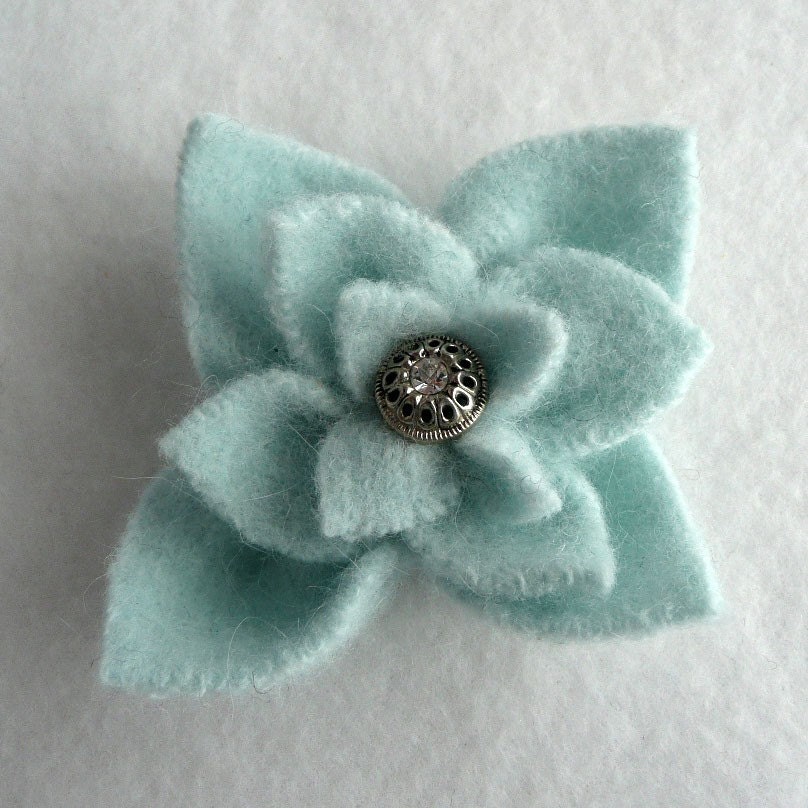
Felted
 
Brass and Lucite
 
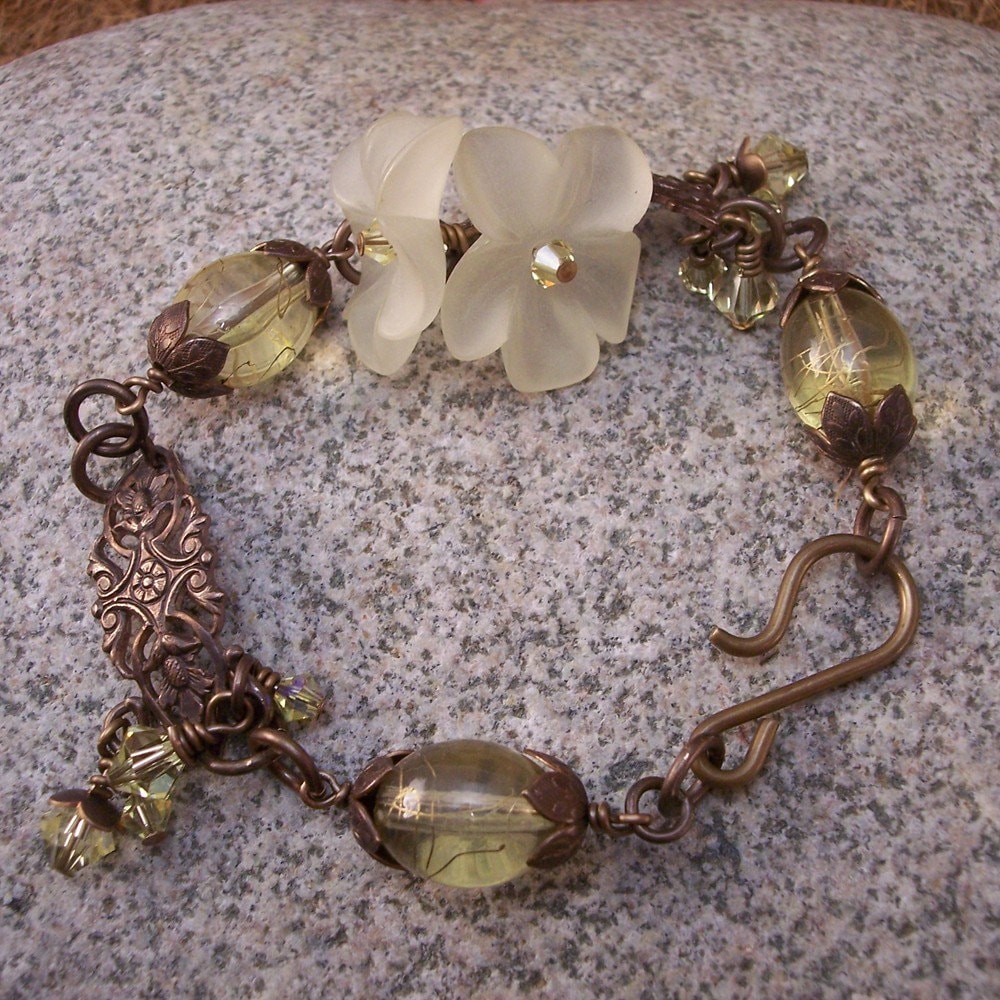
Vintage Style
 

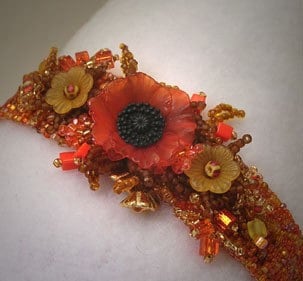
Vintage Materials


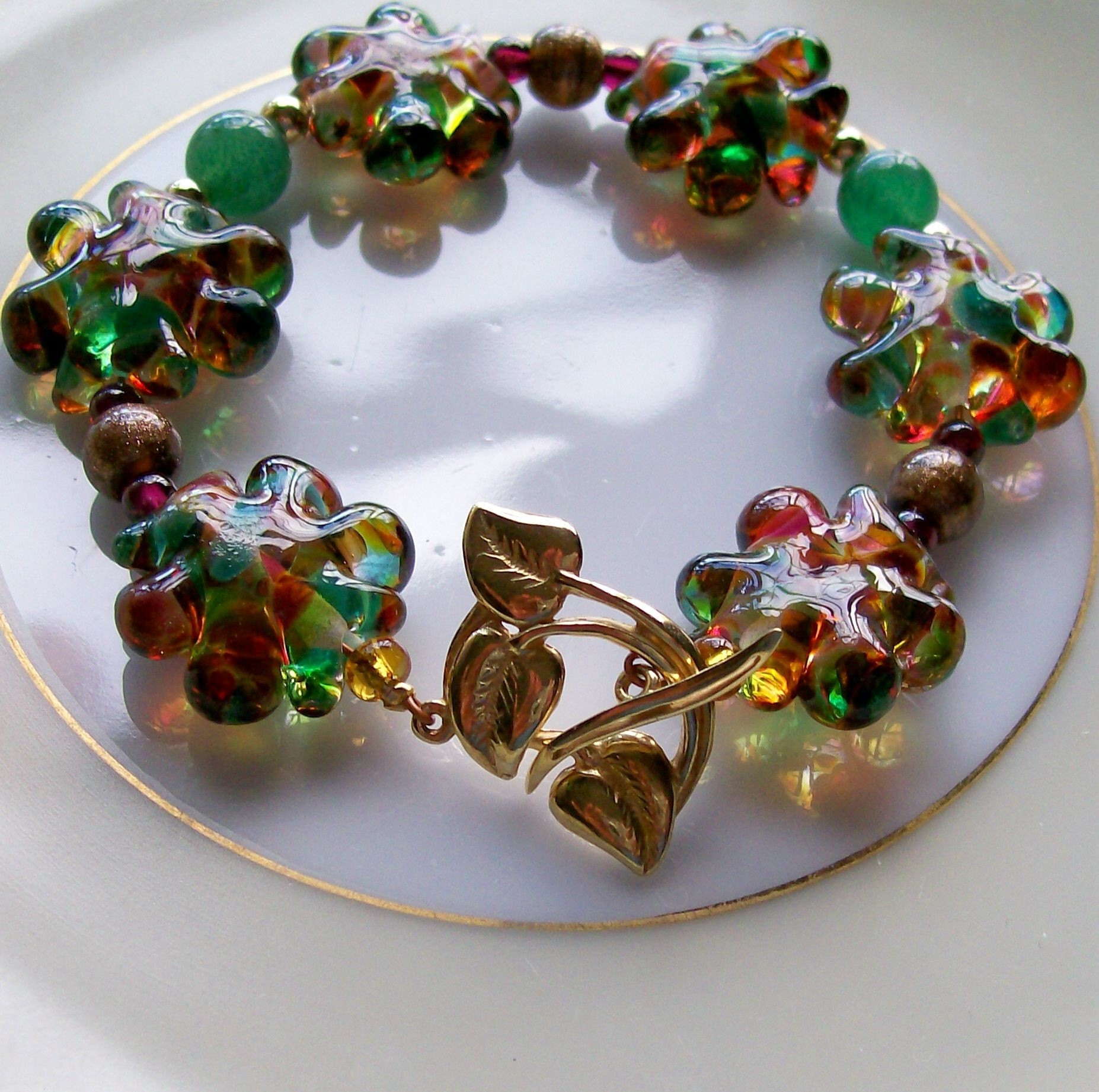
Lampwork Beads


Wirework


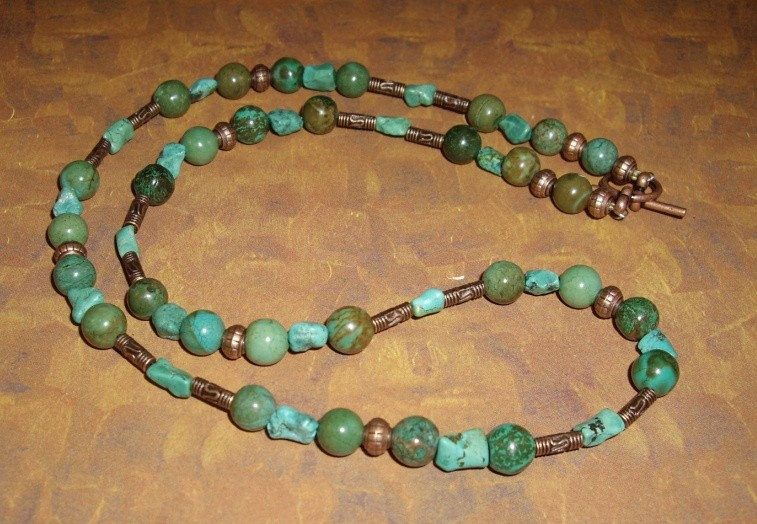
Earthy Gemstones and Copper


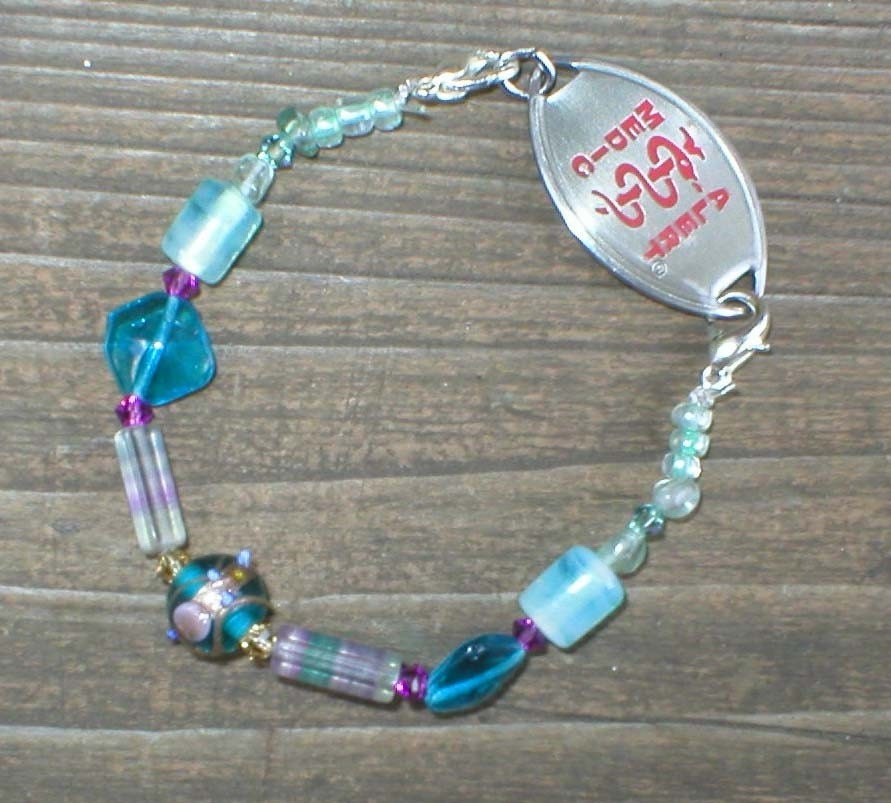
Specialty Bracelet


Recycled Materials


Repurposed Materials


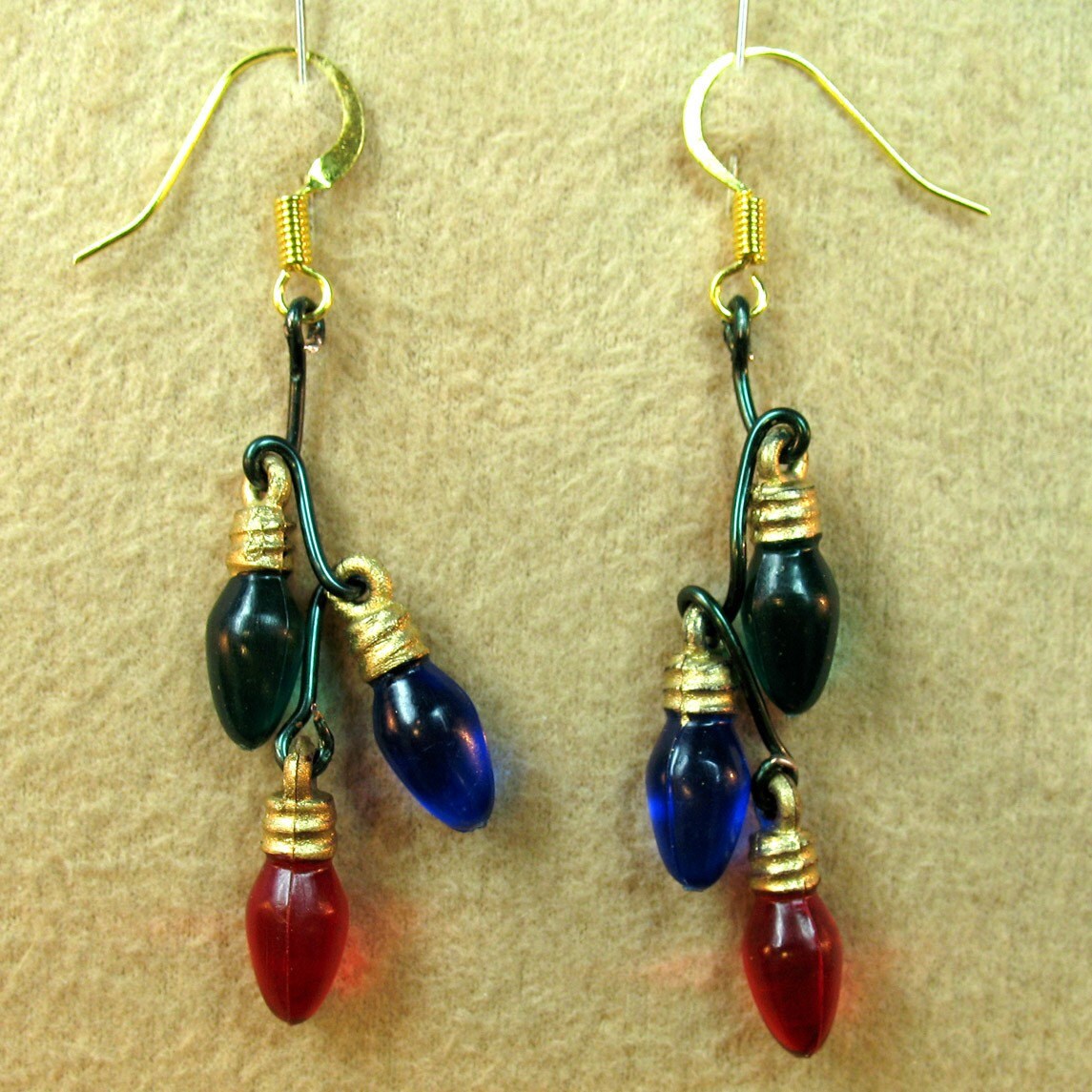
Holiday Themed


Enjoy searching at Etsy for more BBEST jewelry,
and happy handmade holiday shopping!

Wednesday, May 13, 2009

A garland of silver, anyone?

“You’re getting up there,” read the card we received this month from my mother-in-law, who sent us a congratulatory card to honor our 30th wedding anniversary. Although my husband and I tend to celebrate special occasions in a fairly low-key manner—usually by dining out at a nice local restaurant—many other couples celebrate wedding anniversaries with gifts, parties, and exotic journeys. Anniversary celebrations are so popular, in fact, that there are hundreds of Web sites that contain suggestions for gifts and vacations. There are “traditional” gifts of paper, tin, crystal, silver, pearl and gold for the 1st, 10th, 15th, 25th, 30th and 50th anniversaries, and corresponding “modern” gifts of clocks, diamonds, watches, sterling silver, more diamonds, and gold.

The custom of celebrating wedding anniversaries on an annual basis is actually a modern notion. More than a thousand years ago, celebrations of any kind tended to be group events, rather than a celebration between individuals. Besides observing the passing of each season with traditional festivities, twice a year the unmarried men of a community would be paired up with the unmarried women in a prescribed group ritual. As weddings between individuals were introduced, however, anniversaries began to be celebrated in the same manner, but not as frequently as today. It is likely that the notion of presenting gifts originated in the Middle Ages in the Germanic region, when the gifts themselves were associated with the concept of bringing good luck to a couple. The typical occasions that were celebrated in this manner included the 25th anniversary, when a husband would place a garland of silver on his wife’s head, or the 50th anniversary, when the husband would present his wife with a golden wreath. By the middle 1930s, this custom evolved into celebrating the 1st, 10th, 20th and 70th milestones, in addition to the 25th and 50th anniversaries.

In the United States, traditional wedding anniversaries begin with gifts of paper and flowers, increasing in substance and value each year, relating directly to the perceived increasing investment the couple makes in each other. In Germany, however, couples uses a list of symbols that represent an increased strengthening in the marriage with each year that passes.

The Hallmark Web site says that the original 75th “diamond anniversary” dates back to the Victorian age, and that the 60th anniversary was added when Queen Victoria celebrated her Diamond Jubilee, or the 60th anniversary of her accession to the throne in 1897. “The Victorians, so fond of cataloging and classifying,” say Gretchen Scoble and Ann Field in The Meaning of Wedding Anniversaries, “were likely the first to adapt ancient customs into a prescribed list of gifts for each wedding anniversary.”

In 1922, in her Blue Book of Social Usage, Emily Post listed eight anniversaries that ought to be celebrated: the 1st, 5th, 10th, 15th, 20th, 25th, 50th, and 75th anniversaries. She admitted, however, that there was a trend toward celebrating each of the first 15 years of marriage, as well as every five years. For most couples today, this is the anniversary calendar that is used, although the American National Retail Jeweler Association has expanded that list with an annual gift for the first 20 years, with a suggestion for a gift every five years, up to the 75th anniversary.

Whether you follow the gift calendars of Hallmark, etiquette guides or jewelry associations—or no guide at all—the fact of the matter is that most couples enjoy presenting gifts to each other on the anniversary of their commitment to each other. Below are items in BBEST members’ shops that would be wonderful anniversary gifts.

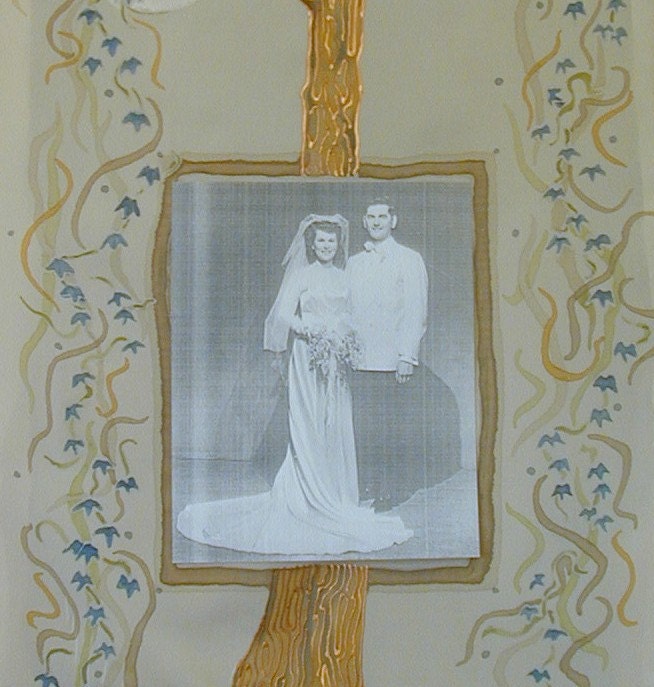
Janine of AltheaP, for example, offers a personalized silk wall hanging. She created the first one for her own parents, when they celebrated their 55th wedding anniversary.


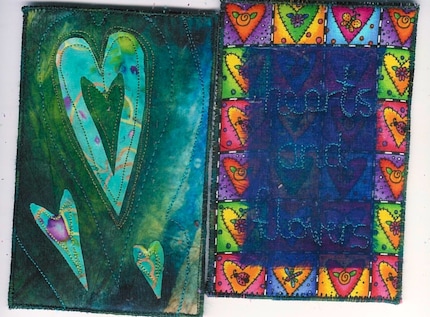
Marion of artmixter offers a custom fiber 4x6-inch post card. “Give me a theme, choose your colours, and we'll create a piece of unique art together!” she says.


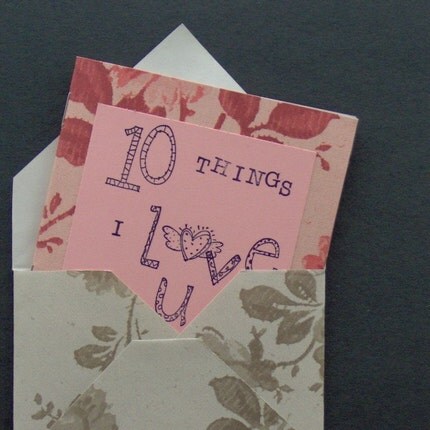
Your partner will know you appreciate him or her when you gift that person with Kym of PaperParaphernalia’s journaling booklet, which is accompanied by a matching envelope.


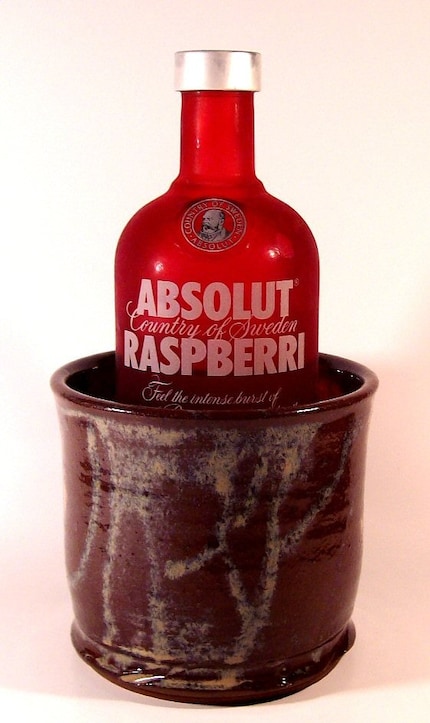
Enjoy some wine at your celebratory dinner, chilled to perfection in this stoneware wine chiller by Pearl of fehustoneware.


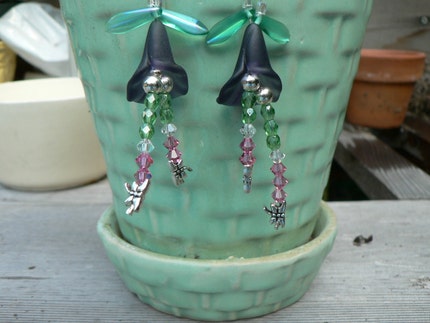
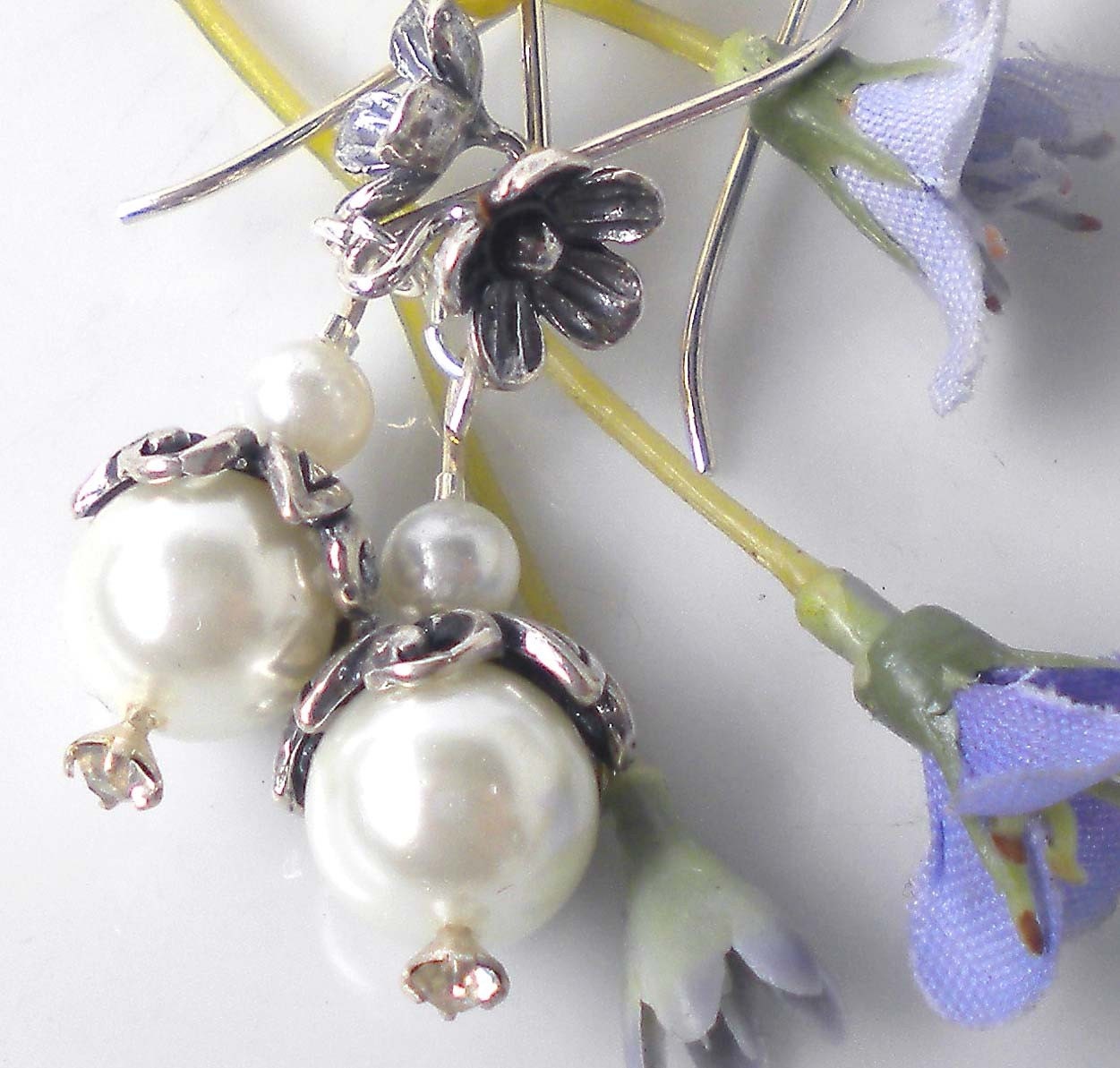
These dainty earrings by Gloria of hemlockhollow are perfect for a Crystal Anniversary.


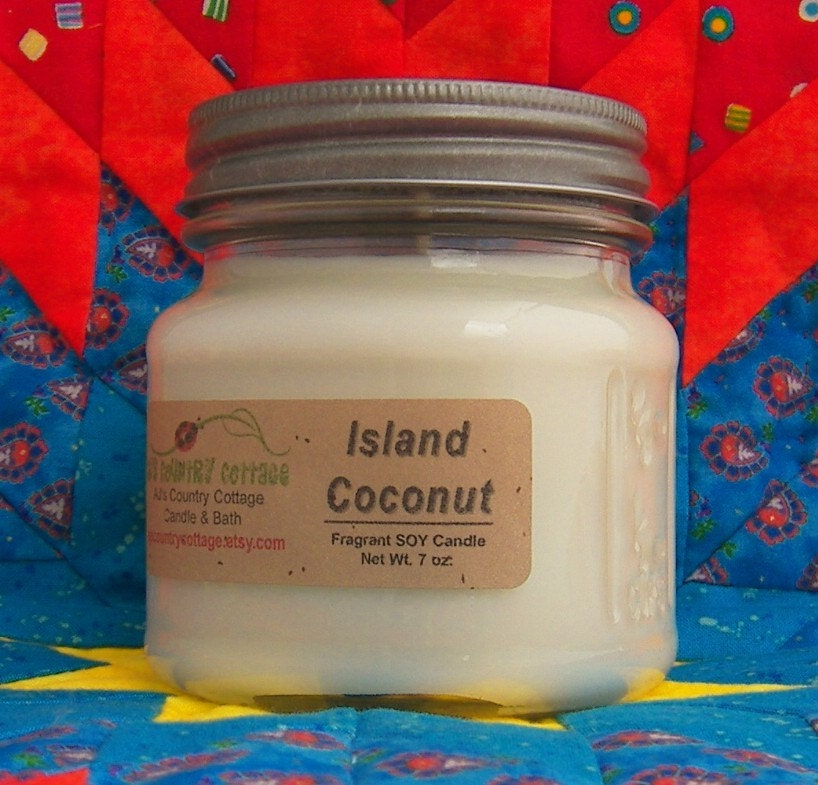
AJ of ajscountrycottage helps you create the perfect tropical setting as you enjoy a romantic dinner together (perhaps the prelude to a cruise?!) with her New Island Coconut Soy Candle.


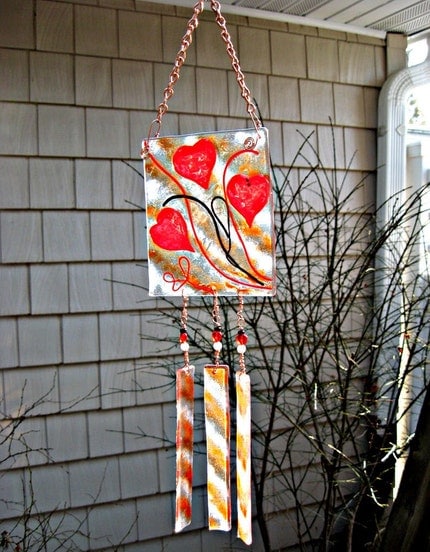
The Hearts Wind Chimes in Chris1's shop is the perfect anniversary gift that can be used every day, reminding both of you about the affection at the center of your relationship.


Candy is never out of style as an anniversary gift! Present it with style in Pam of blazingneedles’ Knit Lace Round Box.


For those of you who prefer to select anniversary gifts according to one of the traditional or modern anniversary, floral or gemstone calendars, visit one of the following sites:
© 2009 Judy Nolan. All rights reserved. Please note that the images in this post are owned by the artists and may not be used without permission. Simultaneously published at http://sparklines.blogspot.com.