Showing posts with label flower. Show all posts

Monday, October 12, 2009

To write about???

You know how artists get that horrible dry spell? Well, believe me writers do too!

I always use a calendar to remind me when I am writing a blog post and this day is no exception. Except, this is the exception! I have writer’s, what’s it called? You know when the ideas just don’t come!

So, I have decided to delve into our team to pick out a random selection of pictures to show off the incredible talent that our BBEST team has! Well the choices have been random but leaning more to our autumnal season and, of course, halloween. Enjoy!

image

Native American Beaded Earrings

by

J Stinson

These pretty fan shaped hand beaded earrings were made by Joni. They are made from green glass bugle beads, green seed beads and white pearlised seed beads.


image

Mini Rug Hooked Jack ‘O Lantern

by

Beth Anderson

Folk Art and Rug Hooking!
This primitive mini jack-o-lantern is hand-hooked in the traditional primitive fashion of rug hooking on burlap. Hooked with 100% wool strips, both dyed and re-purposed, backed in a bright orange wool, and stuffed like a miniature pillow with polyester fiberfill – even the brown checked wool stem is stuffed!

image

Pastel Charmeuse Silk Scarf/Shawl

by

AltheaP

Wrap yourself in luxury with this luxurious charmeuse silk shawl. It is 14" wide by 66" long, so can be worn in a number of versatile ways to show off a simple dress or blouse. Abstract shapes in pale periwinkle and orange add interest to under layer of pale orange leaves.


image

Porcelain 20 oz Funky Mushroom Fairy Queen Bowl Art by Magi

To be found in Fehustoneware’s shop

How fun to eat your cereal from a funky fairy bowl!
Wheel thrown in porcelain clay
clear glaze with an iron oxide decal in the original artwork of Magi C.
There is a tiny moon impressed at the base.


image

Cactus Yarnius Smallicus

by

Blazing Needles

Professor Philo Philodendron has found a dainty cactus of exceptional beauty in the Mohave desert. This tiny species, yarnius smallicus, fits neatly on a desk or windowsill. Perfect for the plant-killer.


image

Beadwoven Autumn Orange Flower Brooch

by

Beadbug

Beadwoven Autumn Orange Flower Brooch
No, this is not a French Beaded Flower. French beaded flowers are done with wire and beads. This pin/brooch is beadwoven with needle and thread, and is a little more supple.


image

Sassa Lynne Serendipity Mixed Thread Selection

by

Sassa Lynne

Not one but seven top quality yarns in this selection. Again from our Serendipity range these threads have all been dyed in the same dyebath. Think Mango! Cerise, Gold and Fuchsia with a little more than a touch of Orange and Coral. They will stitch or couch beautifully on fabric or canvas.


image

Celedon Rust Flower Focal

by

Zuda Gay

This lovely polymer clay flower focal features sculpted petals on a sturdy base and the center is a lot of clay dots. It measures 2" (5cm) across the flower and the hole is drilled horizontally near the top for stringing. Flower Pendants look beautiful hanging on a ribbon or cord and completely amazing made up into a custom beaded necklace.


Well, by now you will have realised that our wonderful BBEST team members have a wealth of talent to show. Here I have simply chosen at random a few of my favourite items. There are so many more, I could go on all day! Why don’t you delve into Pandora’s Box? This time you won’t let out any demons just pure talent!!

Wednesday, February 11, 2009

The language of flowers

What do a nosegay, corsage and boutonniere all share in common? The answer, of course, is that all three are floral arrangements of some kind. Although flowers today are more ornamental than not, during the middle ages a nosegay tucked in a lapel masked the odors of people who bathed infrequently, seldom washed their clothes, had no indoor plumbing, and were surrounded by livestock. Gradually, however, flowers began to be used in other ways. Women wove the stems of flowers into garlands worn around their heads, as evidenced by Anne of Cleves, who wore a garland of rosemary when she married King Henry the VIII.

During the mid-1600s flowers were worn or carried by both men and women. Men wore boutonnieres, and both men and women carried a tight circular cluster of flowers and herbs called tussie-mussies. Whether you were rich or poor, you brought a nosegay with you when you went visiting. Flowers were a part of country fairs, weddings and religious services, much as they are today.

Most people associate the language of flowers, also called “floriography,” with the reign of Queen Victoria. Finishing schools, where gentle manners and proper decorum were taught, included courses in the art of flower appreciation. Each flower and herb came to represent something special. Mothers taught their daughters how to make hand bouquets, and tussie-mussies were considered fashionable accessories to carry or wear, and were said to have been used to send coded messages. Whether this is actually true or not is questionable, but poets and writers certainly used the language of flowers in this fashion. Dictionaries of floriography were published, with some of the common flowers being represented as follows:

  • Daffodil – regard
  • Daisies – purity and innocence
  • Dandelion – coquetry, or flirting
  • Elderflower – compassion
  • Iris – sending a message
  • Ivy – fidelity
  • Jonquil – return of affection
  • Lilac (purple) – first signs of love
  • Pansy – thought
  • Red roses – passionate, romantic love
  • Sunflowers – haughtiness, or respect
  • White clover – promise
  • White roses – virtue and chastity
  • Yellow roses – friendship or devotion
  • Yellow tulip – hopeless love
The practice of assigning meaning to flowers, however, does not belong solely to Queen Victoria. Wherever the language of flowers is used, it is based on a mixture of mythology, folklore, literature, faith and some of the flowers’ physical characteristics. During both the middle ages and the Renaissance, flowers were used to express concepts of morality. Saints, for example, were associated with specific flowers, such as the lily that symbolized purity. The Japanese also have their own flower language called “hanakotoba” whose meanings differ from their Western counterparts. The Turkish people have a language called “selam” that consists of both flowers and objects. Brent Elliott of the Royal Horticultural Society indicates that selam is not so much a language as it is a tool for helping people remember lines of poetry. The names of objects, in other words, rhyme with lines of poetry.

Whether you express yourself using the Victorian, Japanese, Turkish or any other language of flowers, one fact is certain. Flowers today embellish our garments, our décor and even our bodies, as evidenced by these items sold in BBEST members’ shops. (To look at these items, click on the photo.)


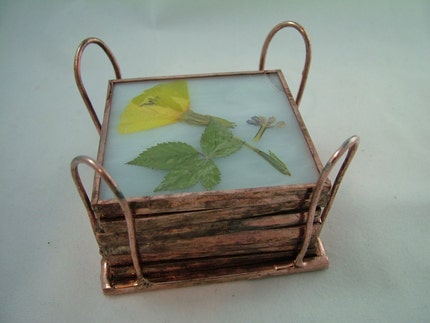
Wildflower Coasters No. 3, by Nonnie 60


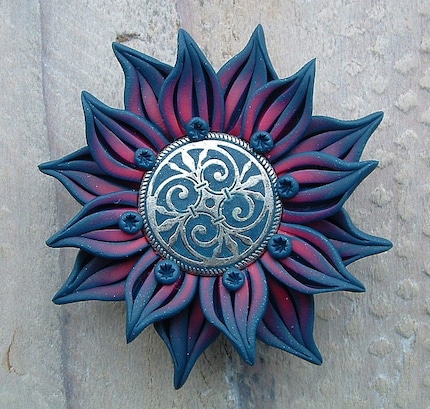
Midnight Blue Flower Focal Bead, by ZudaGay


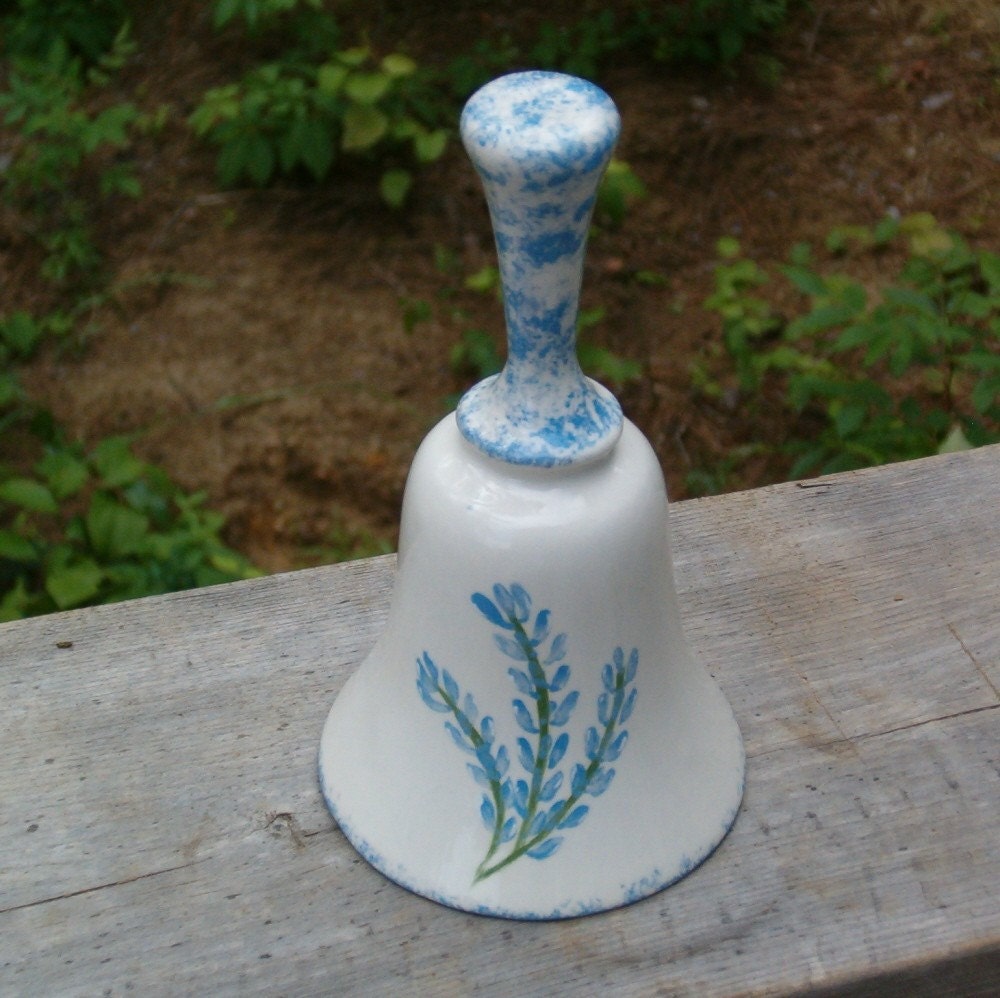
Bluebonnet Bell, by JillsTreasureChest


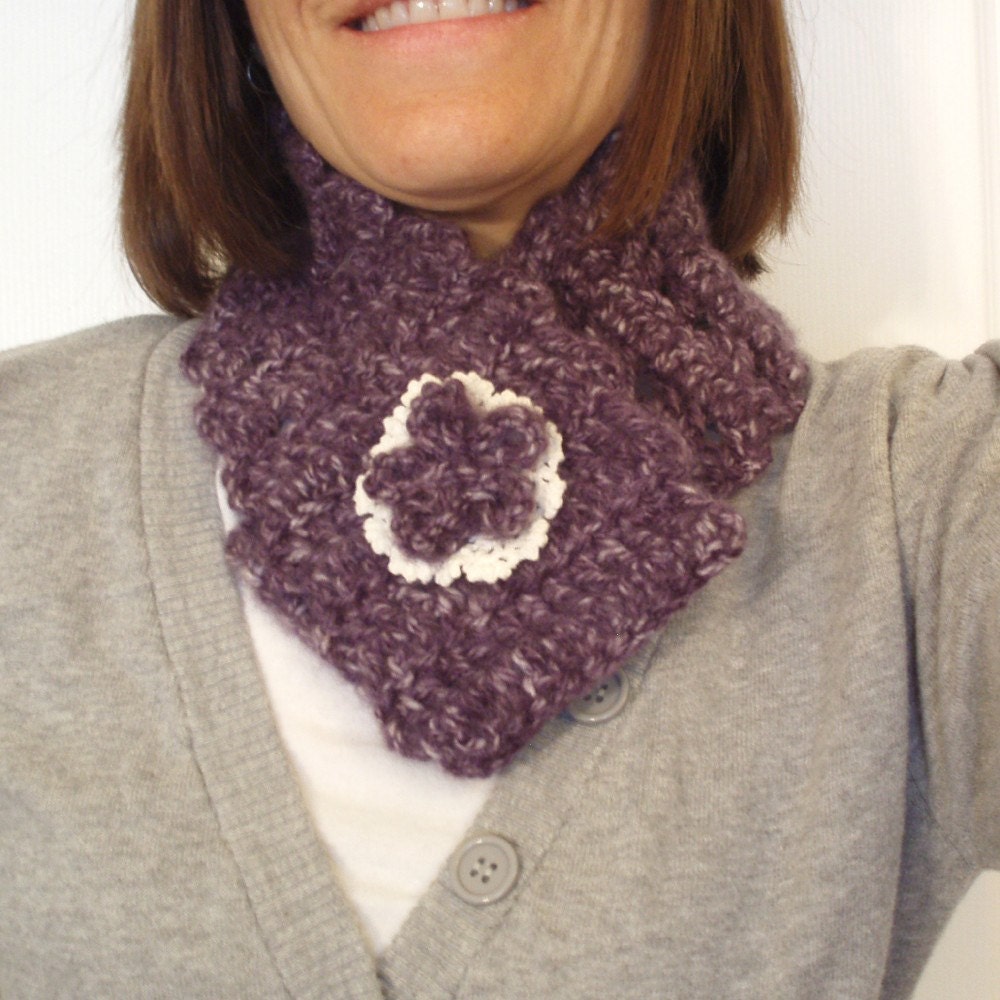
Pretty Purple Neck Warmer, by CBBasement


Flowers and Frida Nicho, by VanFleetStreetDesign


Orange Tulip Original Painting, by heronkate


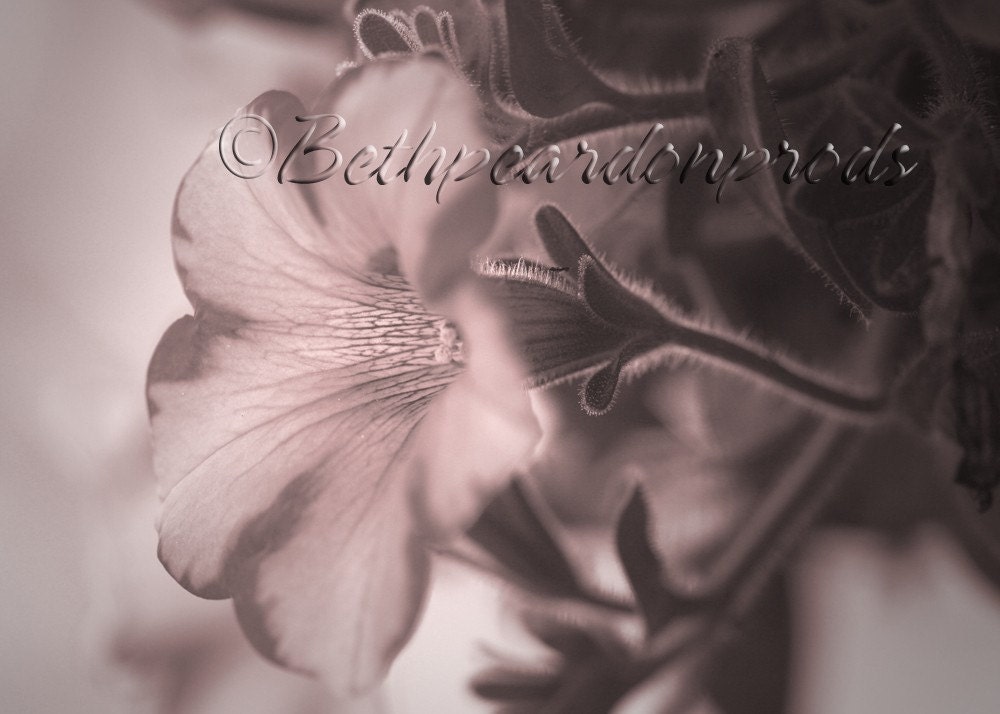
Original Print Sepia Petunia, by BethPeardonProds


To learn more about the language of flowers, consult the following resources:

Tussie-Mussies, the Victorian Art of Expressing Yourself in the Language of Flowers
, by Geraldine Adamich Laufer

Flowers, the Angels’ Alphabet: The Language and Poetry of Flowers
, by Susan Loy