Showing posts with label nature. Show all posts

Monday, September 3, 2012

September - A Time to Remember and More!

     September is filled with many special days, many of them just for fun.  However, September 11 will always be a day to remember and honor those who perished at the hands of terrorists in New York City when the airliners crashed into the World Trade Center, killing the occupants in those buildings and the rescue workers who tried to save them; in Pennsylvania when the airline passengers chose to crash the terrorist-controlled plane rather than let it reach the White House, and those in the Pentagon. It was a sad day for America and for the world.  Let us always remember the victims and their families and that great loss.
     Today is Labor Day in the United States,  established to honor workers and give them a holiday from their labors.  It is ironic that while businesses and government offices are closed, those in the retail industry are super busy at work today with Labor Day sales in stores across the nation.
     And then on the lighter side, you might be surprised to know that this is National Chicken Month!  Just did a search among my Boomers and Beyond Etsy friends, and here are a few items to represent the chickens!


The third week in September is National Flower Week.  It has been a rather barren summer for flowers in many parts of the country due to the extreme lack of rain this summer.  Now we are getting the effects of Hurricane Isaac in the mid west, and lo and behold a few flowers have perked up in our yard.  The flowers below are always fresh and beautiful since they don't depend on the rain and sun to keep them lovely!


Vintage earrings from Nonnie 60


Lovely tulips from Yankee Girl


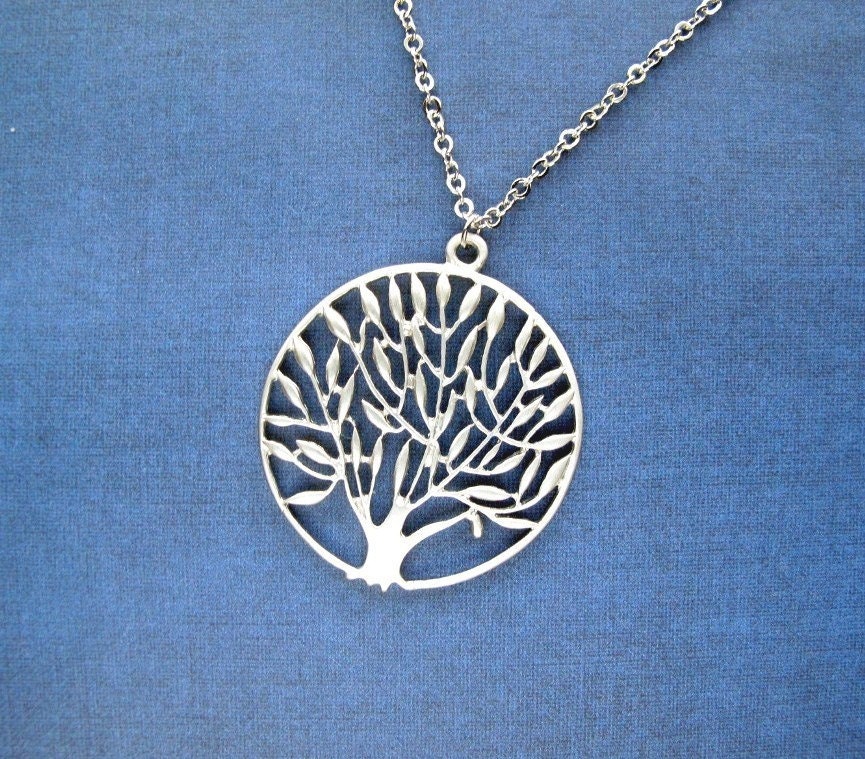
A gorgeous flower pendant from Zuda Gay

And in the fourth week of September, we celebrate dogs, one of my favorites!  What joy and company dogs bring to families and service to those in need.  Here are just a few items featuring dogs.


September 15 is Make a Hat day.  Several of the Boomers and Beyond team members have made the adorable hats shown below.


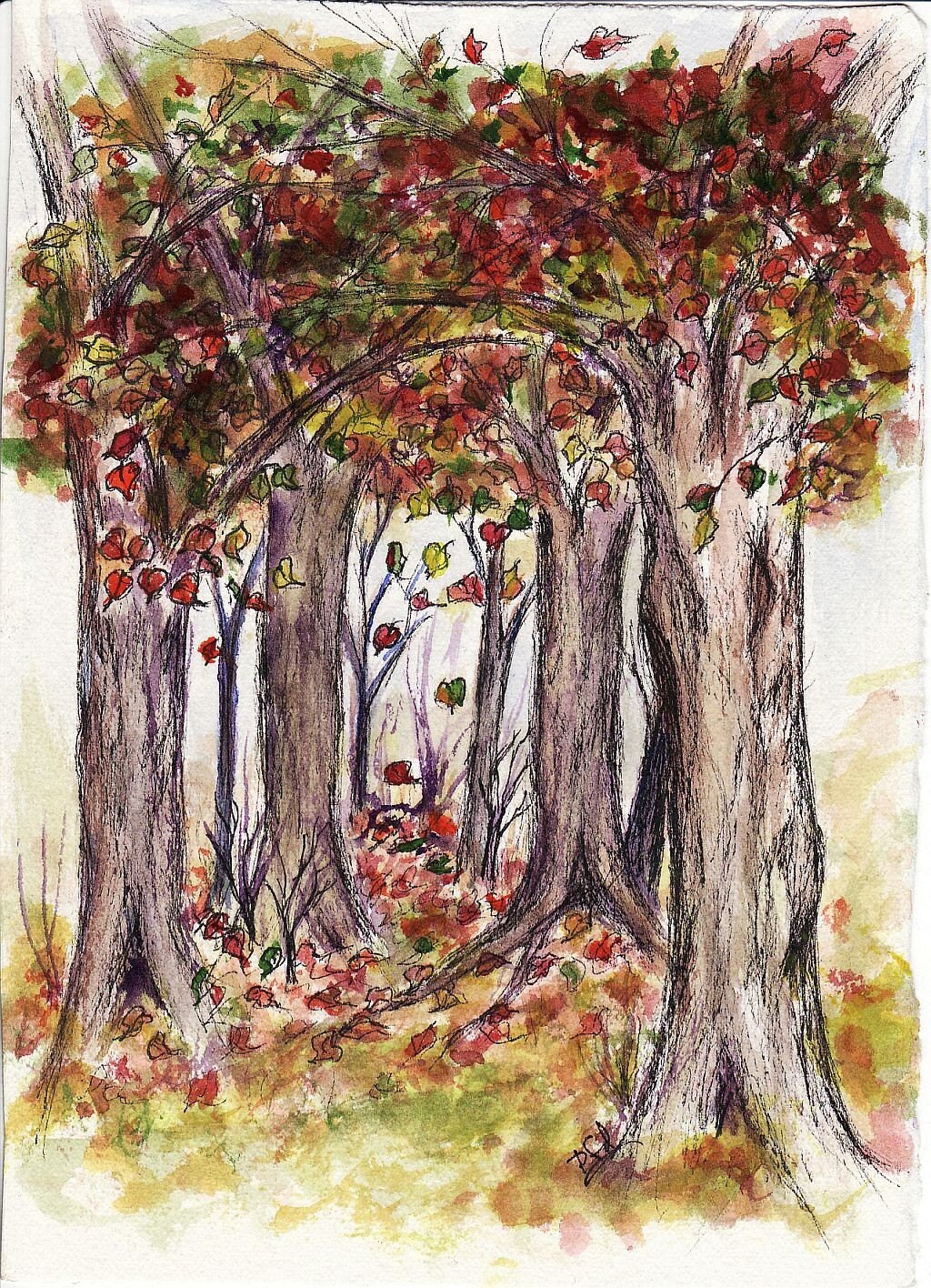
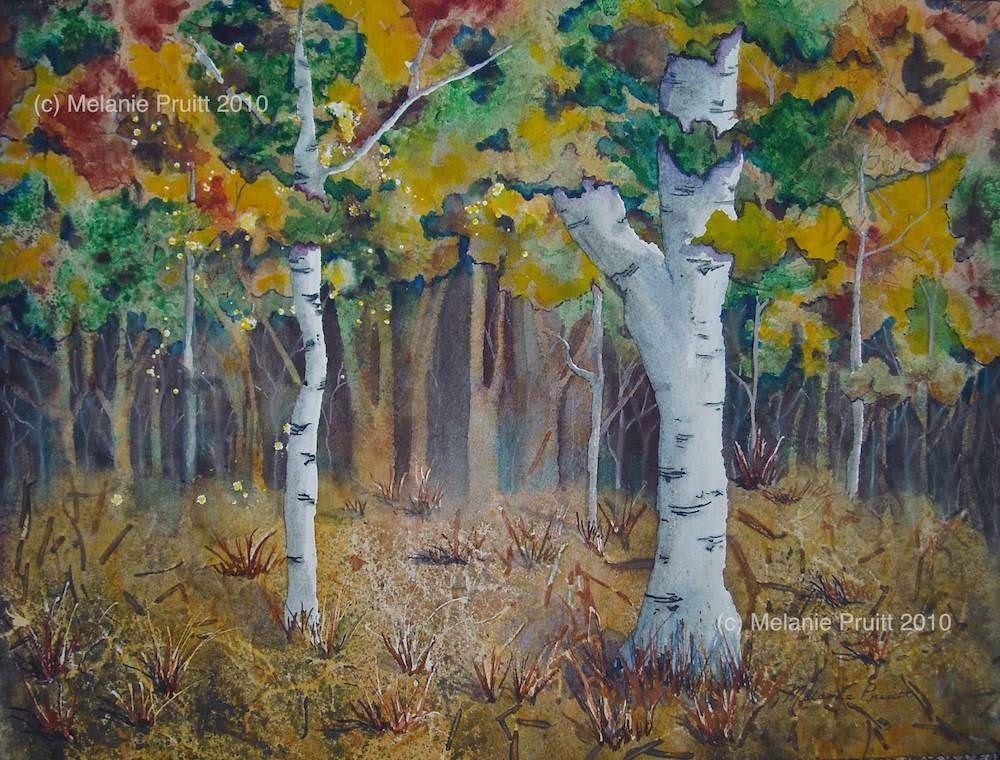
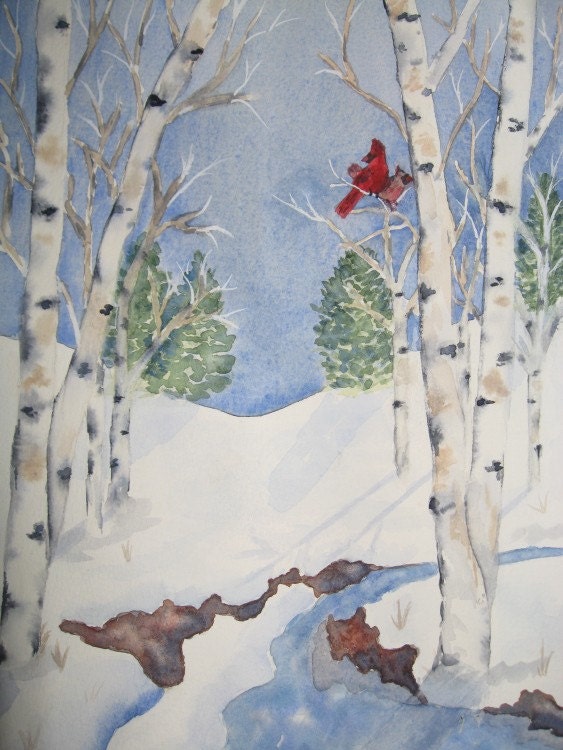
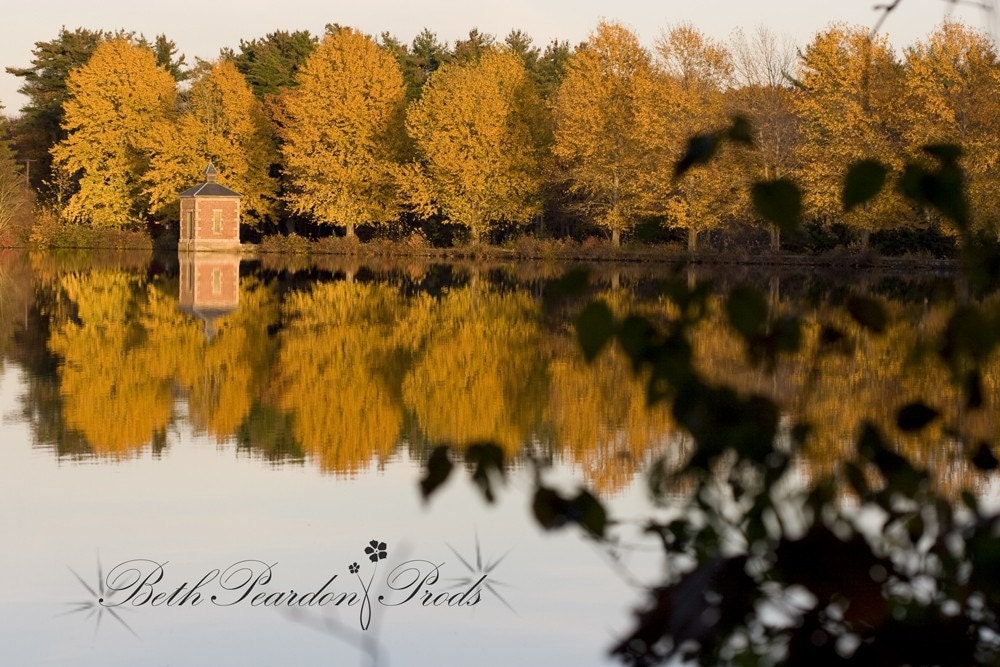
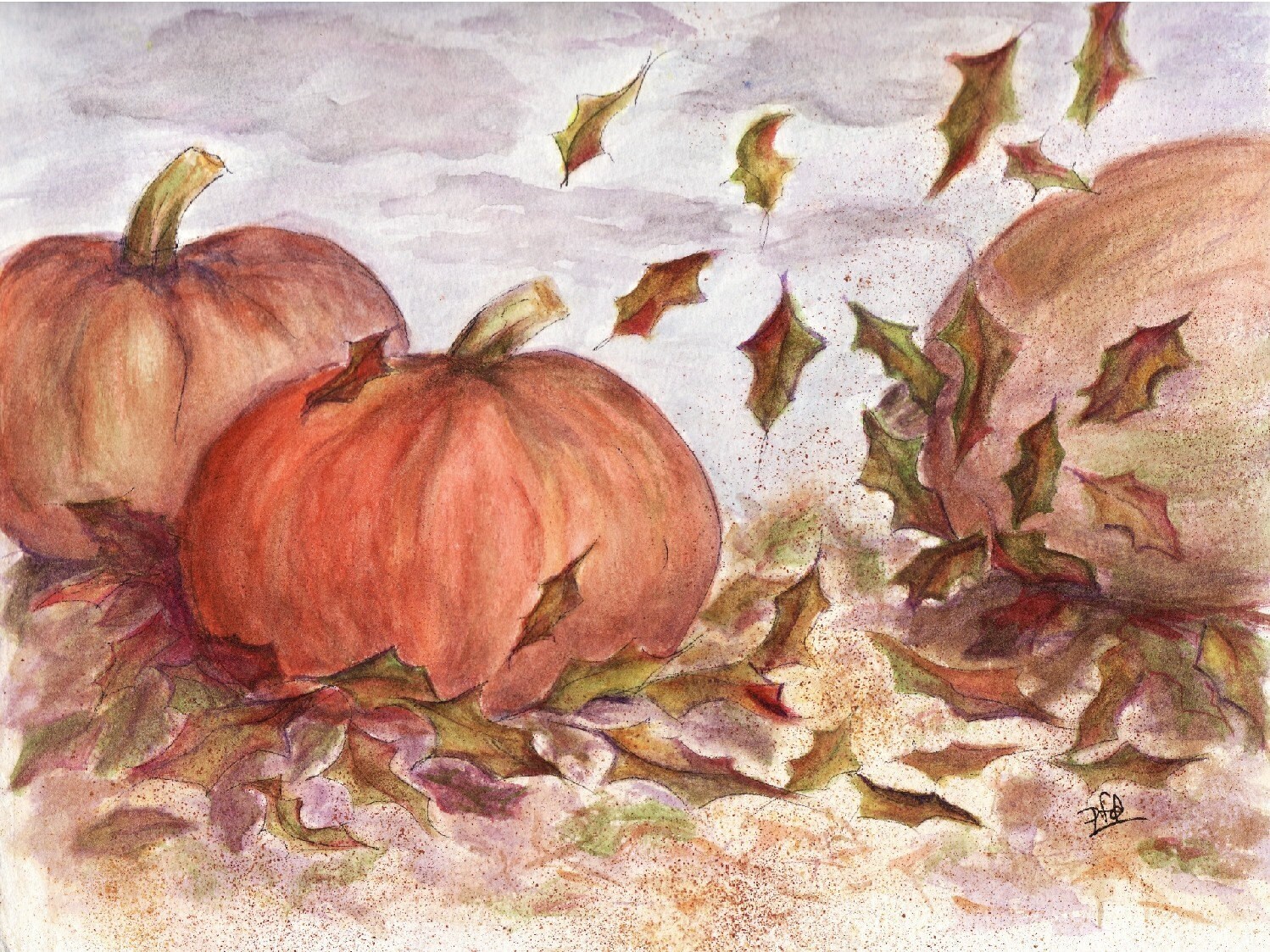
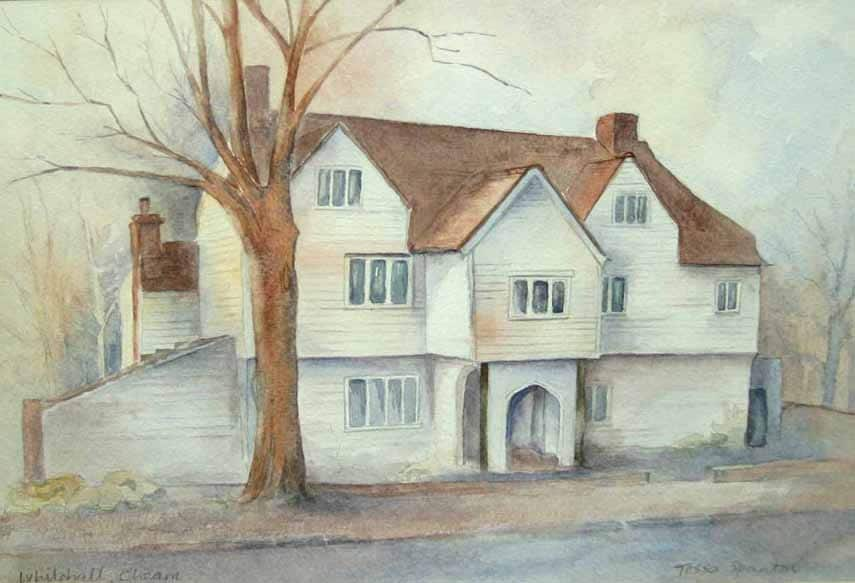
It won't be long until the first day of Autumn.  These beautiful paintings and photos are just a small sample of the beauty that awaits us as the leaves begin to change color.


Whatever days you choose to celebrate in September, may they bring joy and fun, or humility and thoughtfulness, to your lives.  

This post written by Pam Todd, a proud member of the Boomers and Beyond Etsy Street Team, whose Etsy shop, Bags and More by Pam, features high quality, reasonably priced hand-crocheted items for people, pets, and homes.

Friday, April 29, 2011

Under the Arbor

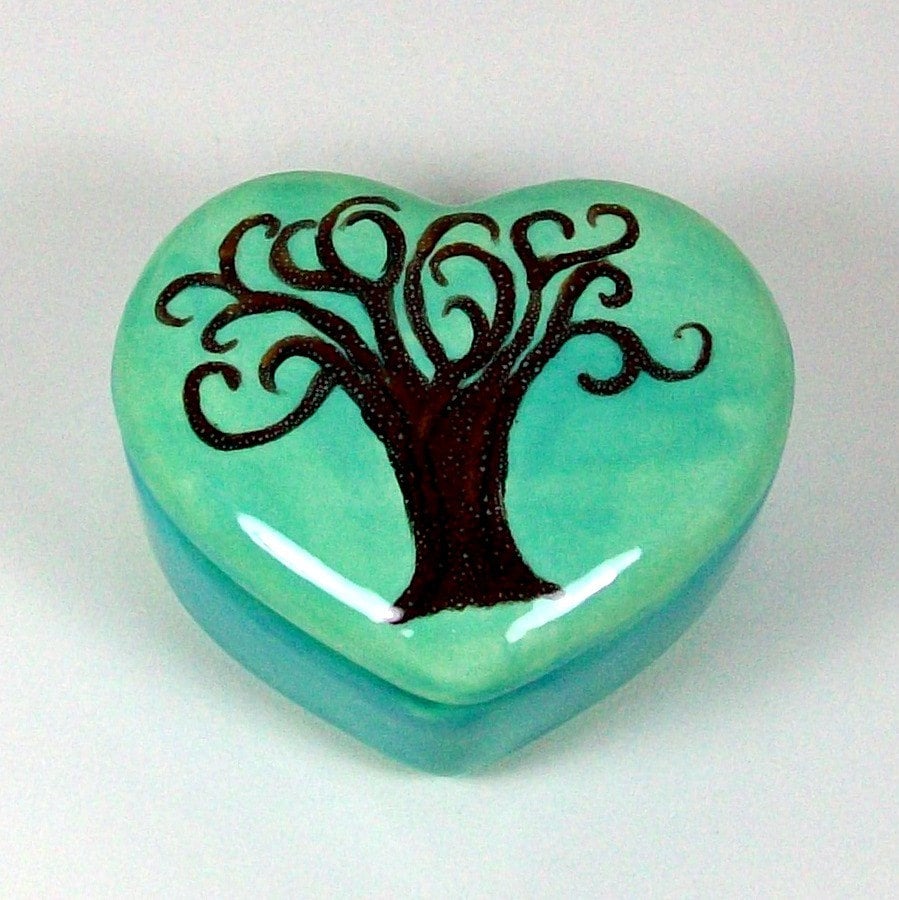
They give us shade on a hot summer day. They provide food and shelter for a vast community of animals. They filter the air and moderate the effects of environmental toxins. These silent leafy guardians are near us every day, and yet we quite often ignore them; we don't celebrate their beauty or learn from their steadfast presence. So today, on Arbor Day, we pay tribute to trees.


Arbor Day is a nationally celebrated observance that encourages tree planting and tree care. The first Arbor Day took place in Nebraska in 1872; it was the idea of J. Sterling Morton, a journalist and pioneer who came from Detroit to the then treeless plains of Nebraska in 1854. Morton and his wife, both nature lovers, quickly planted trees, shrubs and flowers at their new home. Like other homesteaders, he missed the trees of his former landscape, but he also recognized that trees were important as windbreaks to prevent soil loss, as well as for fuel, shade, and building materials. Morton used his position as a journalist, and later, as secretary of the Nebraska Territory, to advocate for trees and tree planting.

"On January 4, 1872, Morton first proposed a tree-planting holiday to be called 'Arbor Day' at a meeting of the State Board of Agriculture. The date was set for April 10, 1872. Prizes were offered to counties and individuals for planting the largest number of trees on that day. It was estimated that more than one million trees were planted in Nebraska on the first Arbor Day. Arbor Day was officially proclaimed by the young state's Gov. Robert W. Furnas on March 12, 1874, and the day itself was observed April 10, 1874. In 1885, Arbor Day was named a legal holiday in Nebraska and April 22, Morton's birthday, was selected as the date for its permanent observance." (http://www.dfr.state.nc.us/urban/history_of_arbor_day.htm) The most common day for observing Arbor Day today is the last Friday in April.

In 1972, on the 100 year anniversary of the first Arbor Day, the nonprofit Arbor Day Foundation was established to promote education about and conservation of trees. For more information about Arbor Day and to learn more about trees - their identification, protection, planting and care, visit the Foundation's website, http://www.arborday.org.

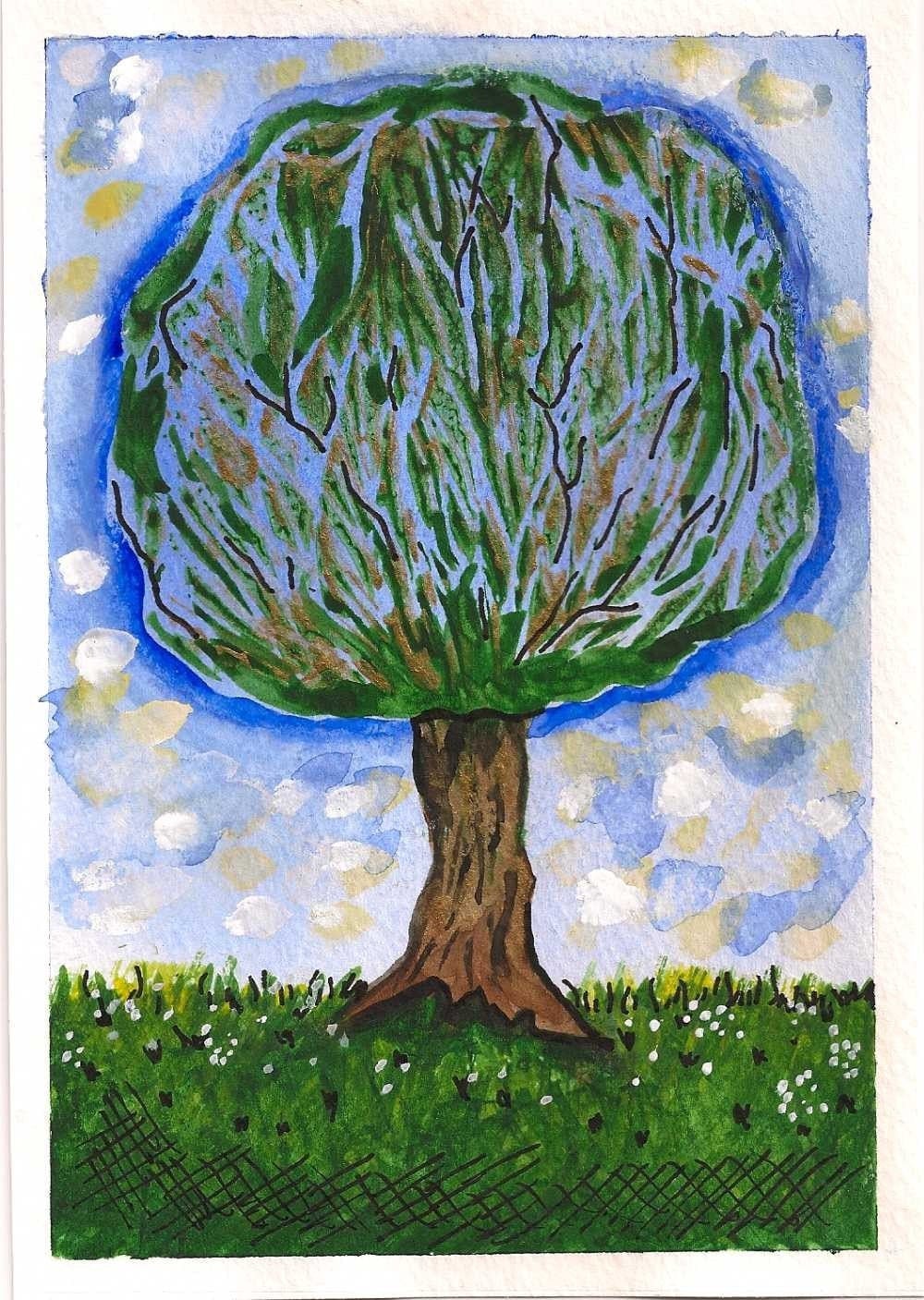
In celebration of the wonderful tree, let's read Ilan Shamir's insightful poem, Advice from a Tree, while we see how BBEST team artisans illustrate the beauty of our leafy friends.

Advice from a Tree
by Ilan Shamir

Dear Friend,
Stand Tall and Proud
Sink your roots deeply into the Earth
 

Reflect the light of a greater source
Think long term
Go out on a limb
Remember your place among all living beings
 

Embrace with joy the changing seasons
For each yields its own abundance
The Energy and Birth of Spring
 

The Growth and Contentment of Summer
The Wisdom to let go of leaves in the Fall
The Rest and Quiet Renewal of Winter
  

Feel the wind and the sun
And delight in their presence
Look up at the moon that shines down upon you
And the mystery of the stars at night.
 

Seek nourishment from the good things in life
Simple pleasures
Earth, fresh air, light
Be content with your natural beauty


Drink plenty of water
Let your limbs sway and dance in the breezes
Be flexible
Remember your roots
Enjoy the view!


For more about Ilan Shamir and his nature advice, tree-planting greetings, and nature-inspired journals and cards, please visit http://www.yourtruenature.com

Friday, October 22, 2010

Night Light

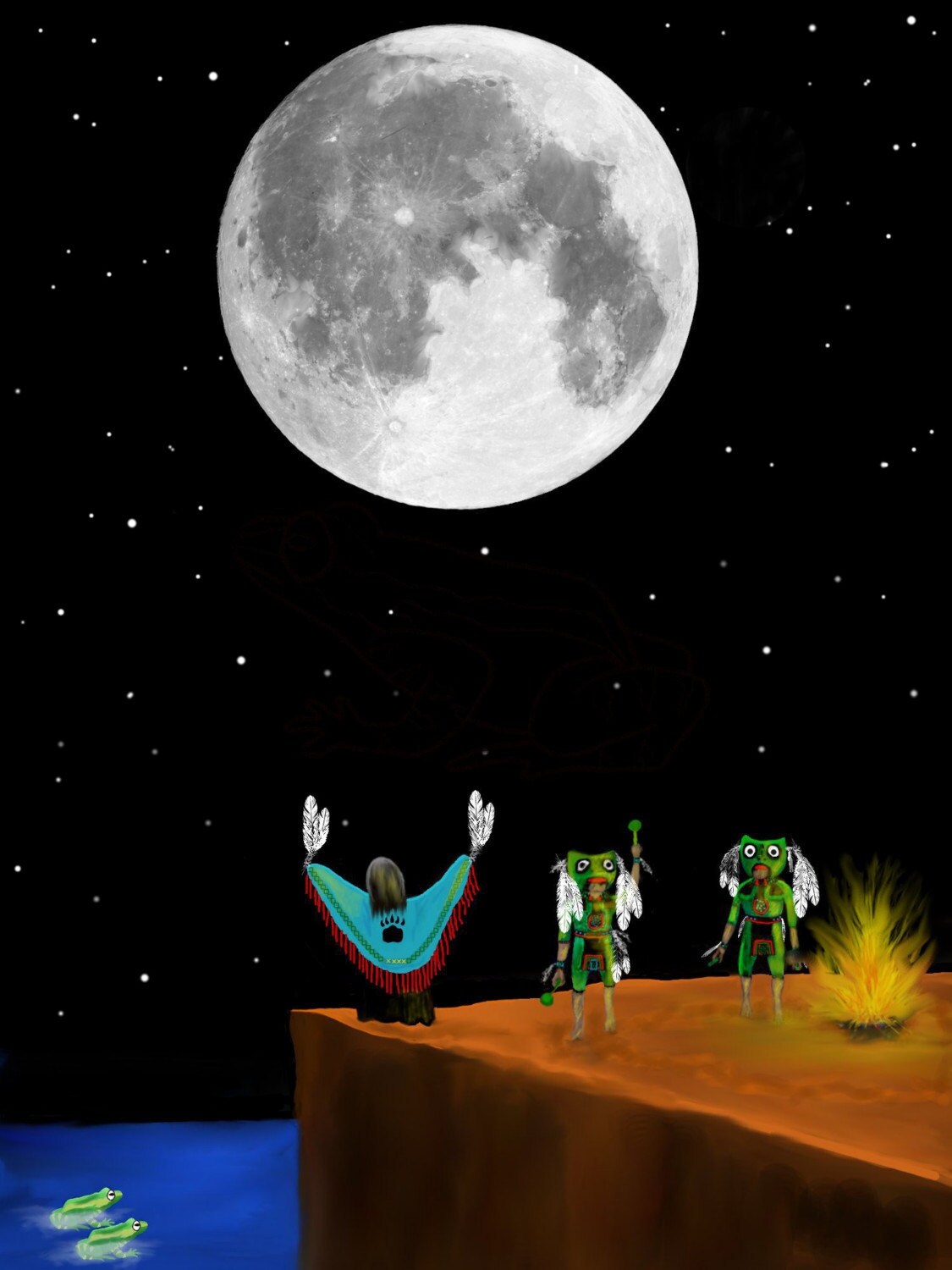
Unable to sleep last night? It could be the intense glow of the soon-to-be full moon was keeping you awake. Tonight, October 22, 2010, the northern hemisphere will be basking in the light of the full Hunter's Moon, which will reach its highest point in the sky around midnight. "The hunter's moon—also known as blood moon or sanguine moon—is the first full moon after the harvest moon, which is the full moon nearest the autumnal equinox." (Wikipedia) After tonight, the moon will continue to move further north along the eastern horizon for several nights, providing us with longer periods of pre-dawn light than during other full moons. For our ancestors this meant longer hours of autumn moonlight for nighttime hunting, allowing for stockpiling of game meat to last during the long winter months.


The full moon has long been associated with stories of changes in human and animal behavior. For example, supposedly there are more births, dog bites, incidences of crime, and trips to the emergency room on nights when the moon is full. Even though most scientific studies do not corroborate this folklore, the legend of the effects of moonlight persist in our language and culture. Think of the words lunatic, lunacy (derived from the name of Luna, Roman goddess of the moon) and moonstruck, and you are reminded of someone whose mental health is less than optimal. Whether or not science can prove a connection, humans have made a link between the moon and strange occurrences for hundreds, if not thousands of years. "Greek philosopher Aristotle and Roman historian Pliny the Elder suggested that the brain was the 'moistest' organ in the body and thereby most susceptible to the pernicious influences of the moon, which triggers the tides." (Scientific American.com)


The full moon is too bright and beautiful to ignore, so it's no wonder the moon has played an important role in art and literature. As we take a look at how some BBEST artisans have been influenced by the moon, let's explore some figures of speech that have lunar inspiration. 

If you "moon over" someone, you are surely feeling the romantic effects of the moon, possibly feeling unrequited love, and likely to be dreamy and lost in thought about your object of desire. 


Feel like celebrating the full moon with dinner and a movie? What better flick to watch than Moonstruck, the 1987 romantic comedy starring Cher, Nicolas Cage, Olympia Dukakis, Danny Aiello, and a host of other well-known actors. http://www.imdb.com/title/tt0093565/ Cher's character agrees to marry for practical reasons, then falls in love with her fiance's wilder, more emotional brother. Set in a Brooklyn Italian-American neighborhood, the opera and the full moon play havoc with the characters' hearts as they become "moonstruck" - "dazed or distracted with romantic sentiment." (TheFreeDictionary.com)


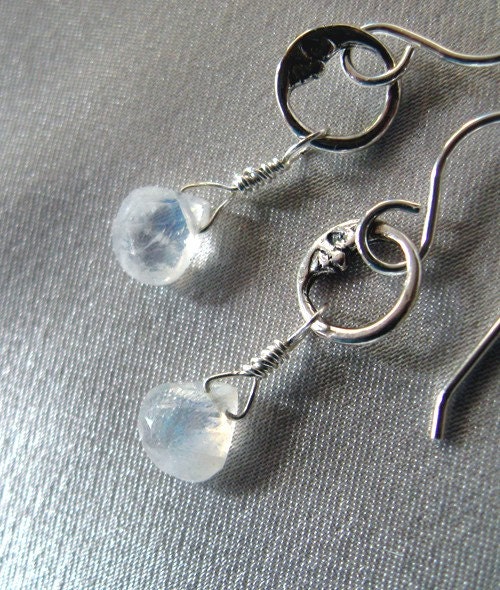
Loretta, Cher's character in Moonstruck, had a makeover in anticipation of her opera night with her quirky love interest Johnny Cammareri, (played by Nicolas Cage). All dressed to the nines in a black and red dress, red shoes, and a newly coiffured head of curls, perhaps Loretta might have accessorized with a pair of long moonstone earrings. Moonstone's subtle shimmer is reminiscent of moonlight and it has long been surrounded by a  certain mystique. This member of the feldspar mineral group "symbolises our being in its entirety. With its soft shimmer, it strengthens our emotional and subconscious aspects. The associations connected with that make it a 'lovers' stone', evoking tender feelings and safeguarding the true joys of love. It is also said that wearing a moonstone strengthens our intuition and our capacity to understand." (Gem by Gem, International Colored Gemstone Association)


There is something magical and soul-enriching about standing outside under the gentle light of a full moon on a crisp, cool autumn evening. Both humans and animals seem to be more awake and alive as they move through a natural landscape illuminated by the moon's gaze. Perhaps it is the full moon's quality of penetrating light which led it to be used figuratively to represent awareness, enlightenment, or consciousness in many forms of sacred poetry from around the world.  http://www.poetry-chaikhana.com/Themes/Moon.htm


 We'll end with a quote from the musical side of moon lore. Hope this gets you humming and out dancing under the light of the full Hunter's Moon tonight!


"Well, it's a marvelous night for a Moondance
With the stars up above in your eyes
A fantabulous night to make romance
'Neath the cover of October skies
And all the leaves on the trees are falling
To the sound of the breezes that blow
And I'm trying to please to the calling
Of your heart-strings that play soft and low
And all the night's magic seems to whisper and hush
And all the soft moonlight seems to shine in your blush."
-  Van Morrison, Moondance


Thursday, May 20, 2010

Whimsical Things

Scrolling through BBEST listings on Etsy confirmed that BBEST is a gifted team of artists and crafters.  Some of my recent favorites:

image

You can always count on ZudaGay to come up with elegant clay forms.  If anyone could make a black bird whimsical, it’s Zuda.  She’s quite a master of her medium.


il_fullxfull.116292528[1]

Imaginuity combines vintage beads with wonderful crocheted shapes to creative stunning asymmetrical pieces like this choker.


il_fullxfull.76244505[1]

Colours and Textures has such a lovely light touch in her watercolors and silk paintings, they always look like fairy gardens to me. 


il_fullxfull.84271376[1]

Vivid color and abstract shapes make this painting by Heronkate a real standout.  The collage-like textures show Kate’s skills as a trompe l’oiel artist. 


il_fullxfull.132628352[1]

When talking of VanFleetStreetDesign’s work, surreal is probably a more appropriate term than whimsical.   It’s a treat to see her mastering digital media.   (I also really like Two Feathers.)


il_fullxfull.105097476[1]Of course in my humble opinion, nothing says whimsy quite as well as Make Your Presents Felt’s egg cozies. I think she actually pinched these off the tiny heads of the elves that must watch over her garden.   


il_fullxfull.128718811[1] And when speaking of gardens, it’s mandatory to mention The Filigree Garden, whose jewelry is inspired by her magical garden.  Her work and her blog are always wonders to behold.  Perhaps Liv and Chrissie share the same elf gardeners?   Hmmmm . . . . .

Wednesday, December 30, 2009

A Time to Rest

Like many of my BBEST teammates, I am finding it difficult to rouse my blogging creativity in the deep, dark center of winter.  It's cold and I would prefer to snuggle in my cozy flannels while sipping tea and reading a good book. So, in keeping with the theme of rest and hibernation, I will resort to offering something I wrote a few years ago and stored away in place of something freshly written. I hope you enjoy it. Now back to my tea and jammies!


The air is getting chilly and the birds are winging their way south on their seasonal journeys. I have been feeling the need to retreat from the busy world, to begin my own process of hibernation just at a time when the rest of American culture is resuming its busyness, plunging headlong into hectic school and work schedules. There is something amiss in our cycle. The natural world is winding down and we humans are gearing up. Fruits and vegetables ripen and are harvested, and their vines die away, becoming part of next spring’s humus. Chipmunks and bears prepare for prolonged sleep; birds take flight. The days become cooler and shorter, and the trees stop feeding their leaves, going out in a blaze of colorful glory. Yet we have forsaken that natural rhythm and have chosen to flip the seasonal pancake in a reverse scenario: We rest when the balance of the earth is producing and growing, and toil when nature is asleep. How did we become so seasonally nocturnal?


It wasn’t this way for thousands of years while we were consciously dependent on the land and our fellow animals for survival. Farmers knew that they would have a limited growing season and they had better stock up for a long winter’s dormancy. Our ancestors knew that when the sunlight lessened, it was time for lessening their activity levels, giving their bodies time for rest and revival. However, when we started to rely on ourselves and our technologies more than we relied on nature, we began to see ourselves as self-sufficient and independent of changes in the seasons. We could control the cycles and make them fit into the schedules we created for ourselves. Perhaps we purposely switched the order as if to demonstrate our command over nature. It is becoming more obvious that this is a false feeling of security, and we had better examine our choices more closely in the near future. Now that we are out of step, it will become very difficult to rejoin the natural march once too much time has passed and we are far behind the rest of the pack on its migrant journey.


I am choosing to buck the trend by slipping into wintry slumber with the rest of my fellow earth-mates. I’ll line my nest with layers of soft, fuzzy fleece blankets and sweaters, and gird my larder with extra tea and hot chocolate and copious amounts comfort food. I will join the birds in their migration and I will fly away from the strenuous regimen of classes and holiday activities, concentrating instead on making small home improvements that will make my den suitable and comfortable for those long, snowy days inside. I will feed my hearth and celebrate the declining daylight by opening my thoughts to the inner light of my heart’s fire.


My choice is to retreat – but not a retreat in the usual sense of giving up. Rather, this is a retreat back into step with the rest of the natural flow of life. It is a retreat that is defined as a period of retirement, of silence and solitude, a time of withdrawal to a refuge for contemplation and renewal. My hibernation will hopefully allow me to better adapt to changes in my physical and mental environment in order that I may survive the harsh times ahead. Perhaps this state of rest will preserve my mental faculties as well, as I keep my brain cells insulated from the overstimulation of the hustle and bustle of schedules and obligatory seasonal commitments.


Most of all, by staying in step with nature and out of step with the rest of our culture’s frenetic pace, I hope to let go of my false sense of control over the cosmos and over nature, releasing that feeling of always fighting with my true self. I am, after all, like all the other animals and plants that exist in this place, tied by billions of ancient cells to the primal call of earthly rhythms. We block our ears with electronic white noise, and keep our minds and bodies constantly moving with busywork. Yet in the crisp stillness of a deep azure winter’s night, in the brilliant quiet of a crystalline snowfall, in the mysterious shadow of sparkling icicles as they drape past our windows, a small, whispering voice can be heard calling us to sleep, to sleep deeply and dream of our spring reawakening.


© 2006 Olivia Herbert. All rights reserved.

Saturday, February 21, 2009

The Wings of Spring

One of the tell-tale signs of spring's approach is the reappearance of numerous bird species that have returned from their winter homes. Perhaps you have noticed an increase in bird song filling the air, or you've seen large groups of birds congregating in trees, on lawns, and near feeders. Some species are arriving after months away, and some are preparing for a northward journey to their summer nesting spots. Whatever their direction, most birds are now preparing for the process of finding mates and building nests where they will raise their young.


Birds migrate primarily to find food sources when summer climates turn cold and insects and plants go into dormancy. Many North American migrants head to Mexico, the Caribbean, or Central and South America. However, some birds, such as the Dark-eyed Junco and the Common Redpoll, who breed in Canada, overwinter in North America. Not all birds travel during the winter months. Some stay in one geographic area all year. Examples of non-migrating permanent residents are Blue Jays, American Crows, Black-capped Chickadees, and Northern Cardinals. A few birds whose sightings are commonly considered to be hallmarks of spring are actually both winter residents and migrants depending on habitat range and breeding age. The Eastern Bluebird and the American Robin may still be seen in the deep of winter as not all members of these species migrate to warmer climates.

Acrylic Painting: A Murder of Crows by Heron Kate


Watercolor ACEO of Common Redpoll by Sixsisters

The distance that birds migrate depends largely on the species. The Arctic Tern is the well-known marathoner traveling over 20,000 miles to its winter home in Antarctica. Most songbirds will journey much shorter distances. Most soaring birds such as hawks will travel during the day to take advantage of thermal uplift. Insectivores such as swallows also travel during daylight hours to feed on insects that are active during the day. Songbirds often travel at night; this allows them to stop and forage for food during the day when they are in unfamiliar territory and to avoid nocturnal predators. Different bird species make their migration flights at different altitudes. Avian flight speeds during migration range from 20-50 miles per hour, sometimes faster with tailwinds. Birds use three main navigation methods during their travels: the sun as compass, evening star patterns, and tiny grains of a mineral called magnetite just above their nostrils which allow them to use the Earth's magnetic field to locate true north.

Fused glass pendant Soar by Chauncey Design

Hummingbirds arrive in their summer breeding grounds between February and May. Prior to their long, arduous journey these tiny birds must "bulk up" and gain 25-40% of their body weight by eating a large amount of insects and nectar. Though many hummingbirds travel the same path each year it is said they travel alone and not in groups. They also fly at lower altitudes than some other birds - as low as treetop level. Hummingbirds generally fly during the day and rest at night except when crossing great stretches of ocean when they may go as much as 450 miles over open water before finding a resting spot. Migration for the "hummers" can last from one to four weeks.

Mixed media painting Hummingbird by Mystic Silks

As birds arrive in the spring, they will first look for food sources to replenish energy spent during migration, but a close second urgent task for males is to stake out a territory and try to attract a mate. Research is finding that birds fly faster when returning to nesting areas than when traveling to wintering zones because the need to reach and claim a breeding territory is so important. Generally the males arrive first, then females follow. When females arrive, they select the most suitable and hardy males for breeding. Since the optimal nesting time is short, the pair will make haste in building a nest and incubating eggs. Some birds may breed more than once in a season thus increasing their chances of having successful offspring. Bird song is most prevalent in the spring because impressive vocal repertoires are part of a male's arsenal for attracting a female. Other courting behaviors include visual displays such as "dances" and colorful feather arrays, and building elaborate nests. The males birds of some species, such as the Northern Cardinal and the Snowy Owl, offer food to females as enticements to choose them as mates.

Partners Brooch from Streetnoodles


13th Stamp Series ACEO Original Print Birds of a Feather by Beth Peardon

To bring the birds a little closer within view and help them stay nourished and healthy during breeding season, try setting out bird feeders with a good variety of quality seed and nuts, suet blocks for fat and protein, and fresh water in bird baths. Make sure to keep your feeders and water supplies clean to prevent spreading disease; periodic washing with a 10% bleach solution will suffice. Hummingbirds are attracted to red-colored feeders filled with a sugar water solution, but this must be kept fresh at all times as this mixture can go rancid very quickly. An even better and more easily maintained solution to providing food for hummingbirds is to plant a hummingbird garden filled with native flowers, such as Beebalm or Trumpet Honeysuckle, that draw in these delicate visitors. For a list of "Top Ten" plants for hummingbirds visit http://www.rubythroat.org/PlantsNativeTopTen.html

Wheel-thrown Birdhouse/Feeder from Fehu Stoneware

As the spring progresses it is fun and interesting to watch the birds in our yards and parks going through courtship, nesting and parenting their young. After awhile you will start to notice family groups of birds visiting your garden, often returning year after year. Parents will bring their offspring to your feeders, or will make homes in nesting boxes that you might put up in your yard. A good way to keep track of the avian comings and goings in the environment around you is to maintain notes in a journal, either in print or online at such places as eNature.com. Having a good pair of binoculars and a field guide handy will greatly aid your birdwatching and identification. Whatever birding method you choose, or even if you decide just to casually watch the birds from afar, you are sure to enjoy the beauty and harmony of spring that arrives on the wings of our feathered friends.


Bird Resources:

Cornell Lab of Ornithology All About Birds

WhatBird.com

eNature.com


Audubon Birding Basics

Audubon Bird Feeding Basics

Birdwatching.com

Native Plants for Birds and Wildlife


Bird Migration Facts

Operation Ruby Throat: The Hummingbird Project

Bird Migration (Wild Birds Unlimited)

Journey North