Showing posts with label craft. Show all posts

Sunday, April 3, 2011

Pattern Possibilities

During a weaving class I recently attended, I became acquainted with an interesting book on textile design:  The Fabric Design Book: Understanding and Creating Patterns Using Texture, Shape and Color, by Karin Jerstop and Eva Kohlmar. Although the book is aimed at crafters who work with fabric, the basic pattern ideas it presents are useful for all artisans who are interested in creating unique designs for their art works. The book contains ample color illustrations and plenty of visual inspiration for demonstrating how simple lines and shapes can be used to build more complex patterns.

Let's take a look at some of the pattern basics that form the groundwork for design exercises in The Fabric Design Book. Examples from our BBEST team will help illustrate these design elements.

Intricate design structures start with the spacial arrangement of simple geometric shapes and the interplay of varying shades of color. Our tools for increasing complexity and creating unique patterns include repeating shapes, rotating shape or line direction, alternating colors, increasing and decreasing pattern size, and adding surface texture. We can combine techniques as well, broadening the scope of our design possibilities.


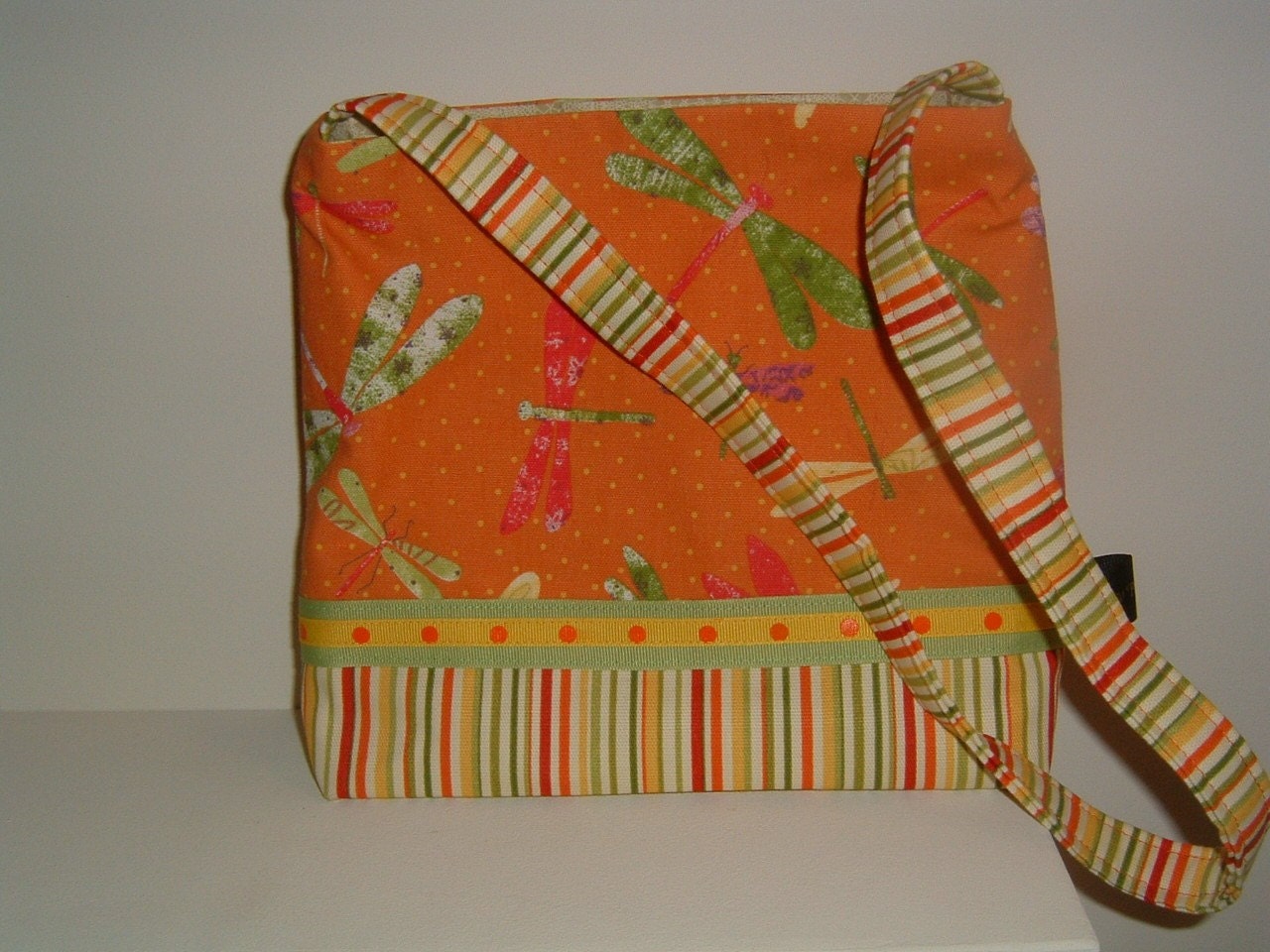
The simplest design form is a line. We can use horizontal and vertical lines to divide an area into sections, creating stripes. By varying the thickness and spacing of these lines, we can make many symmetrical and asymmetrical patterns. Lines can be evenly spaced, or they can be alternated, thick and thin; they can also be turned at a diagonal angle. Applying color to stripes adds an extra design dimension. Using Fibonacci numbers, we can apply the mathematical principles Italian mathematician Fibonacci discovered in patterns throughout the natural world to create balanced and eye-pleasing stripe sequences. Making our stripes in size ratios that follow Fibonacci numbers - 1-1-2-3-5-8-13-21 and so on, will create a striped pattern that mimics the regular and harmonious patterns found in such things as "shell spirals, branching plants, flower petals, seeds, pine cones, and leaves." (http://www.fuzzygalore.biz/articles/fibonacci_seq.shtml)

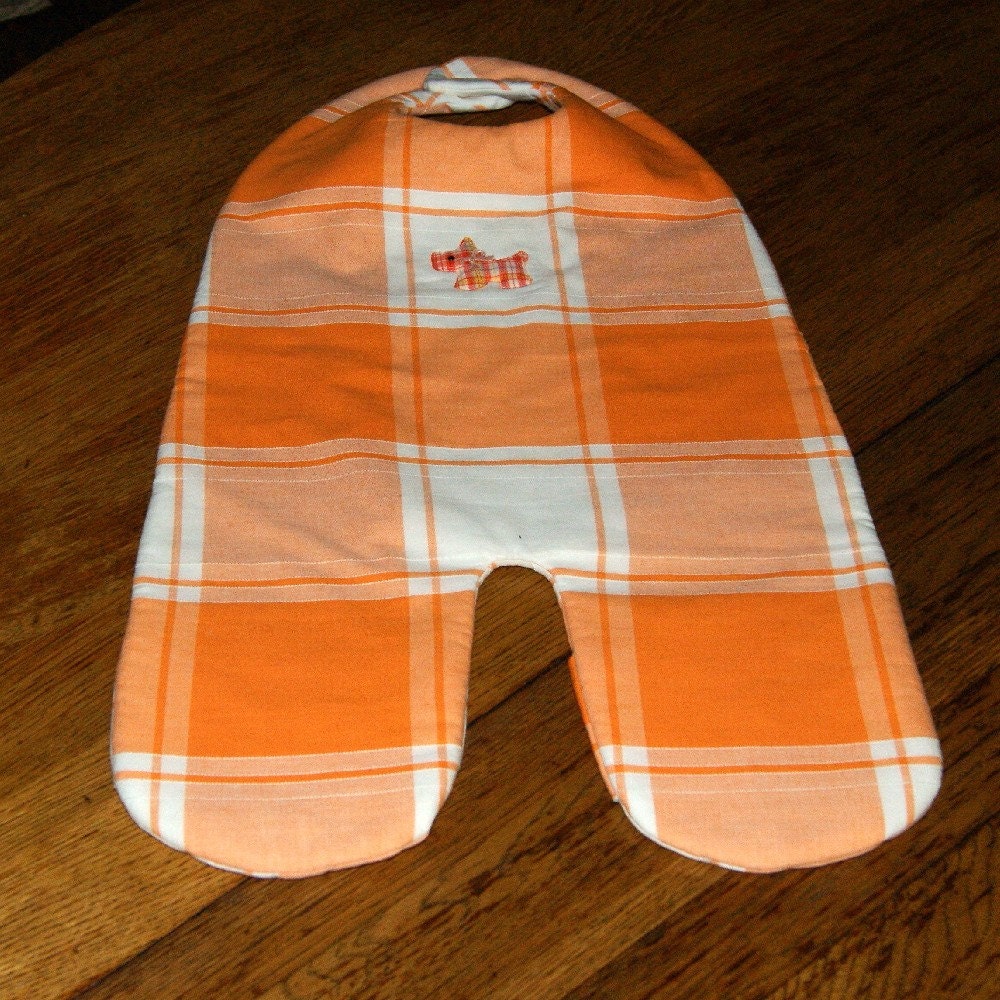
A natural step up from stripes, is the plaid, which is created by crisscrossing lines of varying sizes at right angles to one another. This interlacing of lines leads to checks and squares; crossing the lines diagonally gives us diamond patterns. Another variation of the plaid is a brick design, which is still an interlocking of lines. We can also apply Fibonacci-style line dimensions to the building blocks of plaids, to design visually appealing patterns.

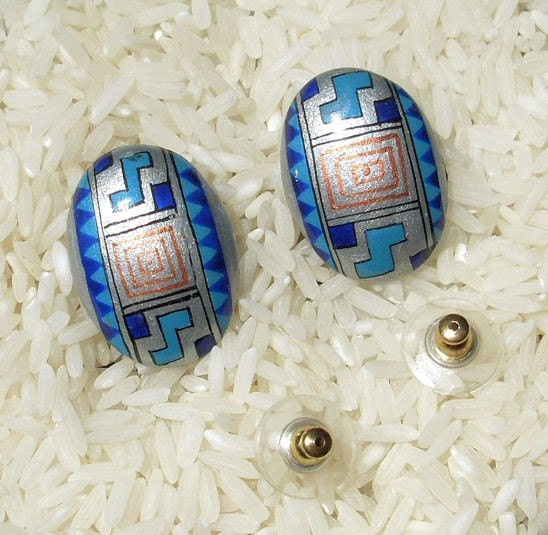
Another method for creating patterns is to repeat geometric shapes, such as squares, triangles, rectangles, circles, wavy lines, and spirals. Some of the earliest forms of decorative art utilized this technique. Starting with a single line of repeating shapes, we can make borders, which can then be repeated to make more advanced and complex overall patterns. Again, adding color variations greatly increases the design potential.
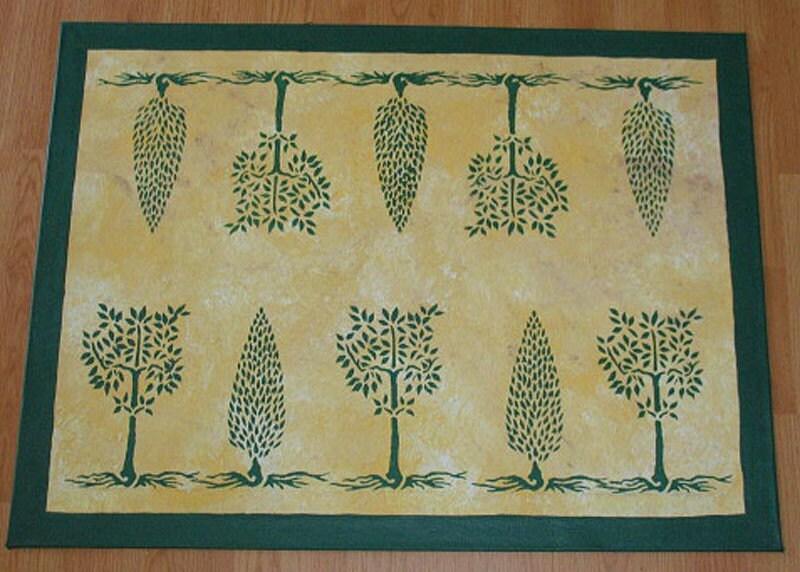
Growing beyond basic geometry, we can repeat, or repeat and alternate design elements, such as leaves, animals, dots, or even very intricate pictures, to make sophisticated surface ornamentation.


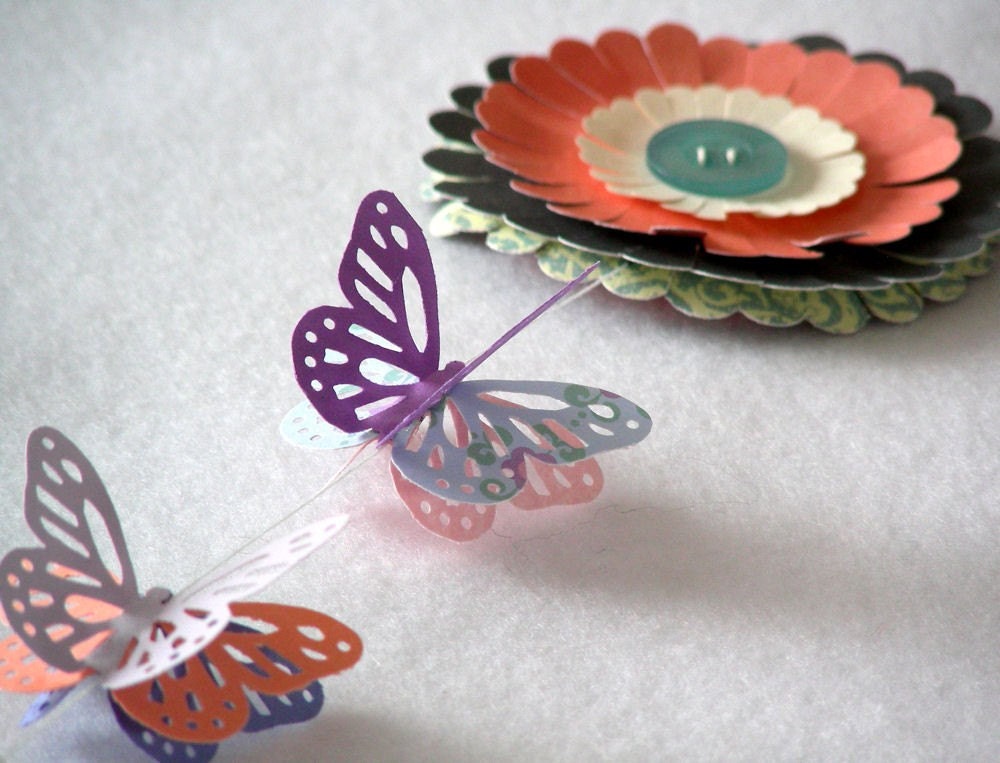
The lack of a pattern is just as important as the presence of one. We can look at the negative space created by the absence or removal of line and color as a design element in itself. For example, taking a piece of paper and cutting away sections creates a lovely pattern, as in the butterflies below.

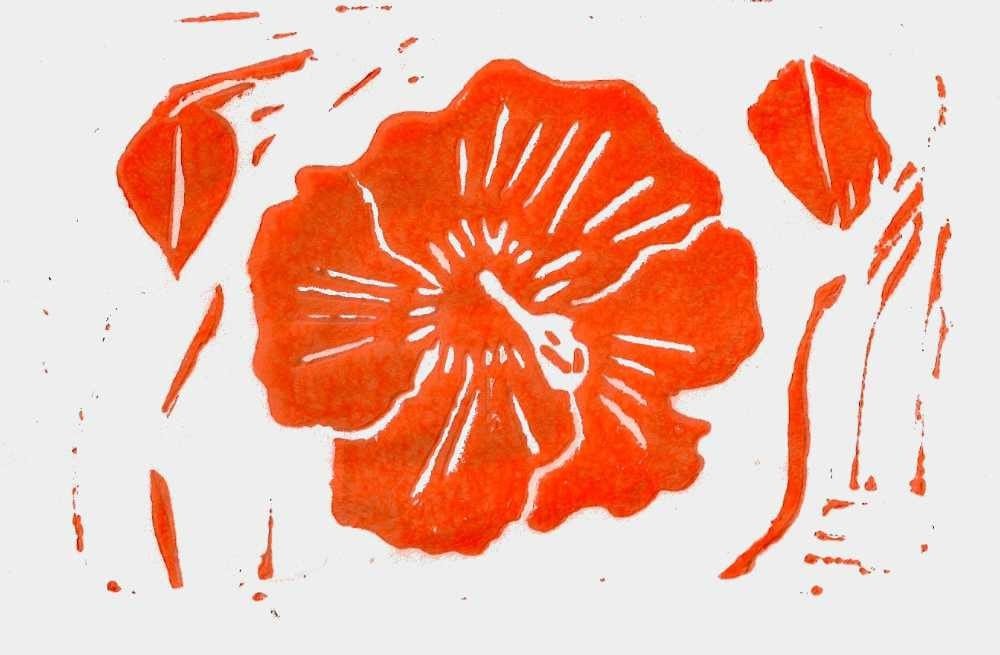
By simplifying and stylizing a physical object, we can change it to an artistic form. Rather than reproducing something, such as a flower, in exact detail, we can distill its essence to create a unique design motif. Further simplification of such a motif will continue to develop new design elements. Don't forget we can also repeat these stylized elements to make overall patterns. Combine negative space with simplified designs, and we create elegant pictorial representations.
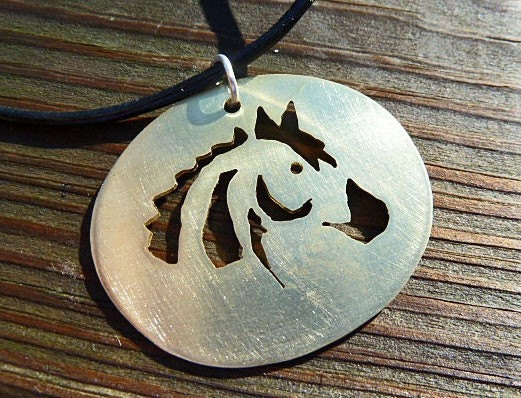

Another way of manipulating shapes is to use mirror images. Think of taking a design element on one side of a piece of paper and folding the paper, or holding it up to a mirror, to create an exact but reversed image next to the original. We can mirror and repeat as well, just as we did with simplified images, to form a larger pattern.
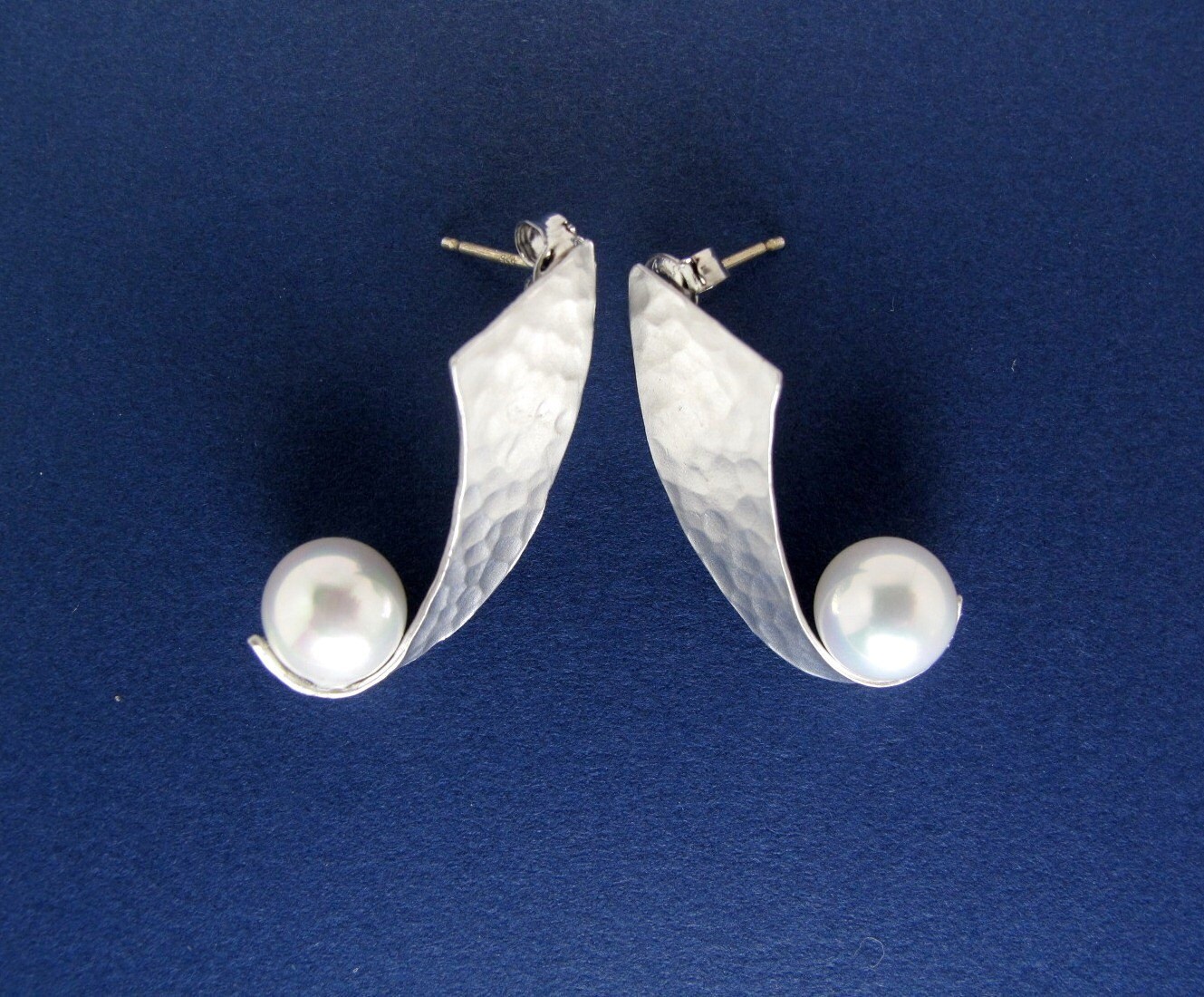

Adding color to our design repertoire steps up our pattern options exponentially. We can take repetitive, basic shapes and colorize them, such as alternating hues, following a rainbow spectrum, taking different shadings of one tone, or following complementary or analogous schemes.
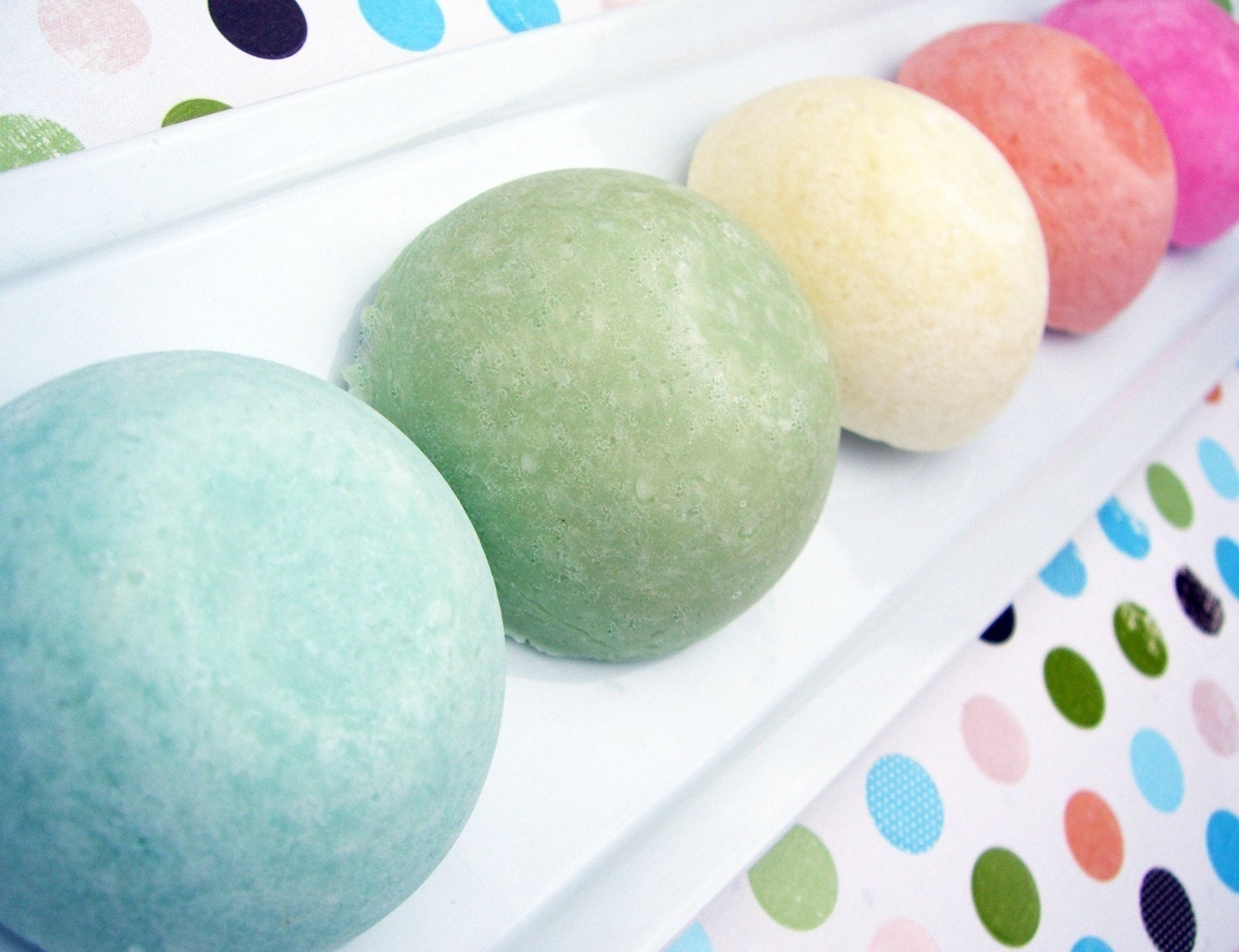

Using large blocks of color juxtaposed creates striking patterning effects. Patterns need not be extremely complex when dramatic color usage is the prime artistic tool.
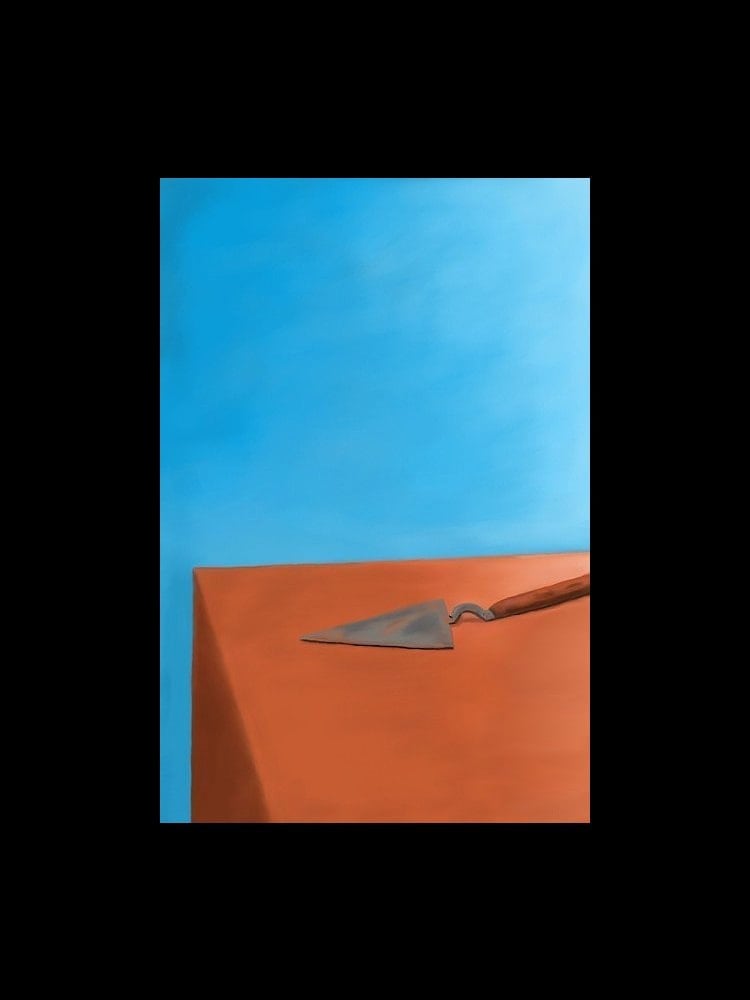

The qualities of a color, such as intensity, shade, tone, tint, and value, change when that color is combined with various other colors. We can try pairing one color, such as the green in these coasters, with colors that are adjacent or opposite on the color wheel to see what affect this combination has on the qualities of the original color.
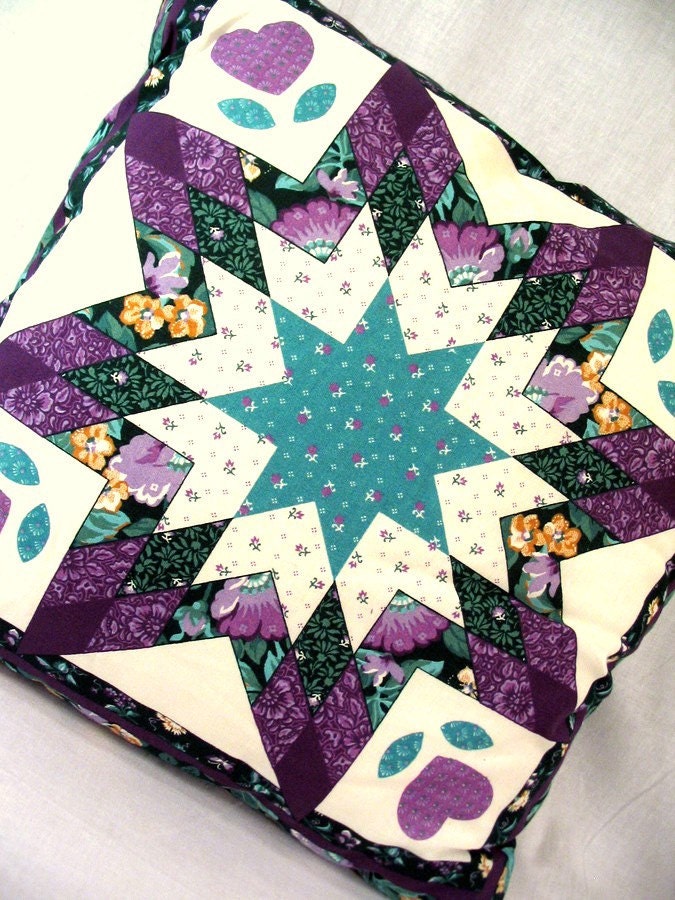
 This quilt blends a number of the techniques we have already considered by repeating geometric shapes filled with coordinating patterns, and harmonizing analogous colors. As you can see, the design possibilities are endless! Start by playing with basic shapes, add your own creativity, and you will soon discover that unique patterns are within easy reach of every artisan.

from ByTheBy

Saturday, February 5, 2011

Creative Challenge: Color Play

Continuing with the theme of creative inspiration, introduced in an earlier blog post, it might be fun to try an artistic exercise by means of a monthly challenge. This month, let's play with color by using our favorite paintings or photographs to set tonal palettes for our creations. I gave this method a try last fall during a hands-on lecture given by weaver Sarah Saulson (http://www.sarahsaulson.com/) who spoke at our local weavers' guild meeting. For one of Sarah's creative exercises, we were instructed to bring a picture that caught our eye for some reason; a painting or photograph that appealed to us in some way. We also brought an assortment of yarns in various colors to share as a group. Using our favorite pictures as visual inspiration, we chose yarn colors from the group stash and assembled "wraps" - wrapping yarn around a cardboard rectangle - that reflected the coloration and feel of our photos. The idea was to use the hues from our inspiration material to create in a different medium. The group results were wonderful! It was amazing how well those simple rainbows of yarn conveyed the essence of the paintings and photographs.

So for February, I'd like to challenge you all to try a version of the above exercise using whatever method of artistic expression you prefer. Select a photograph or painting that you find interesting or pleasing, then try to create an object (for example, a sewn article, piece of jewelry, paper craft, or glass work) that reflects the color and feel of that visual illustration. If it is helpful, start by isolating the major color themes of your photo selection by looking at a color wheel. Then collect materials for your project in those themes; if you are making jewelry, for example, round up all the beads in your color themes and put them in front of you before you begin. For a few examples to get you started, take a look at "Color Inspiration from the Masters of Painting" at http://www.colourlovers.com/blog/2007/06/20/color-inspiration-from-the-masters-of-painting/ Let your preconceptions fall away and let your imagination take the reins!

Once you have finished, report back to us by leaving a comment on this blog post with a link to a photo of your inspiration object next to your creation; or leave a comment with links to each of these items separately. If you have a blog, write about your experience and show us what you made. If there are enough responses, we'll write another blog post to share your work. Most of all, have fun and let the color adventure begin!

Now, let's do a little reverse engineering on this exercise and match a famous painting with a BBEST selection, trying to convey the ambiance of the masterpiece within the palette of each artisan's item.

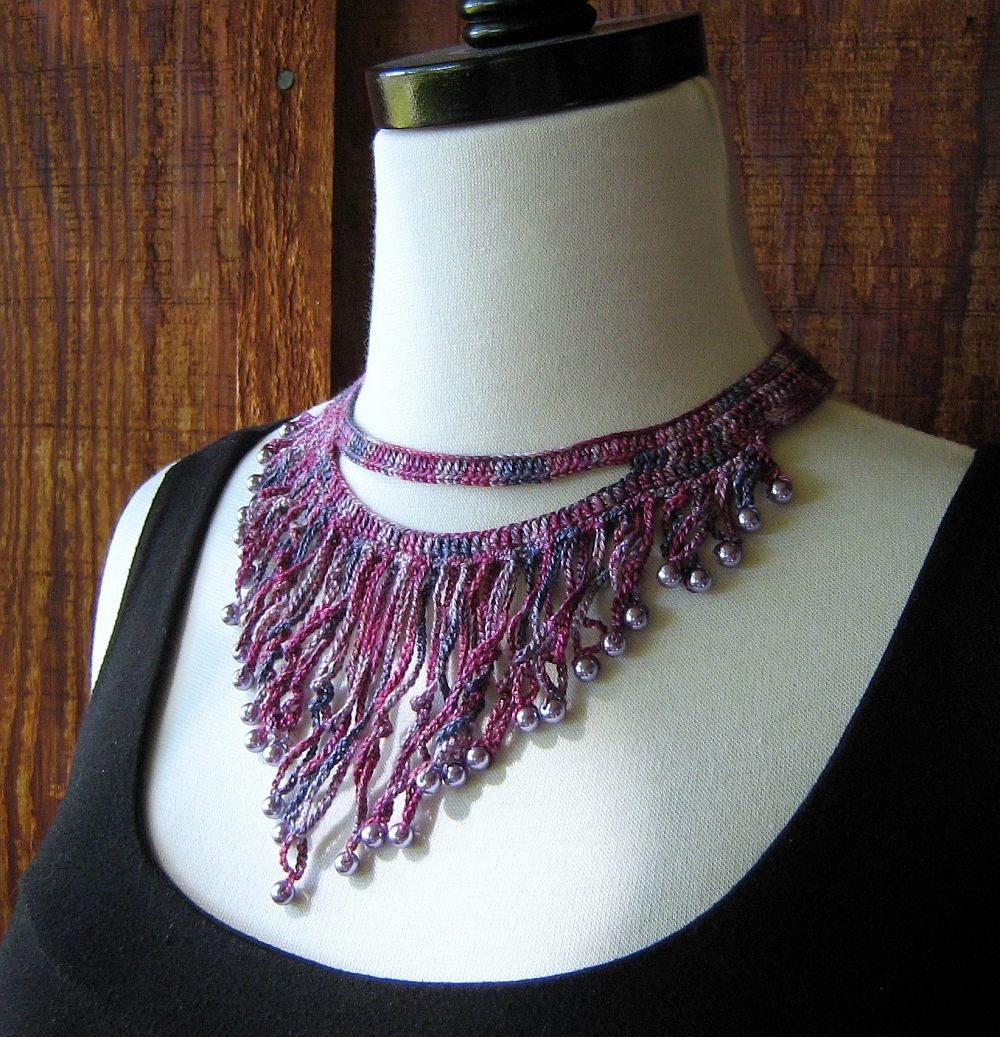
 The subtle lavenders in Claude Monet's The Artist's Garden at Giverny are reflected in this Purple and Lavender Beaded Crochet Bib Necklace by Imaginuity.


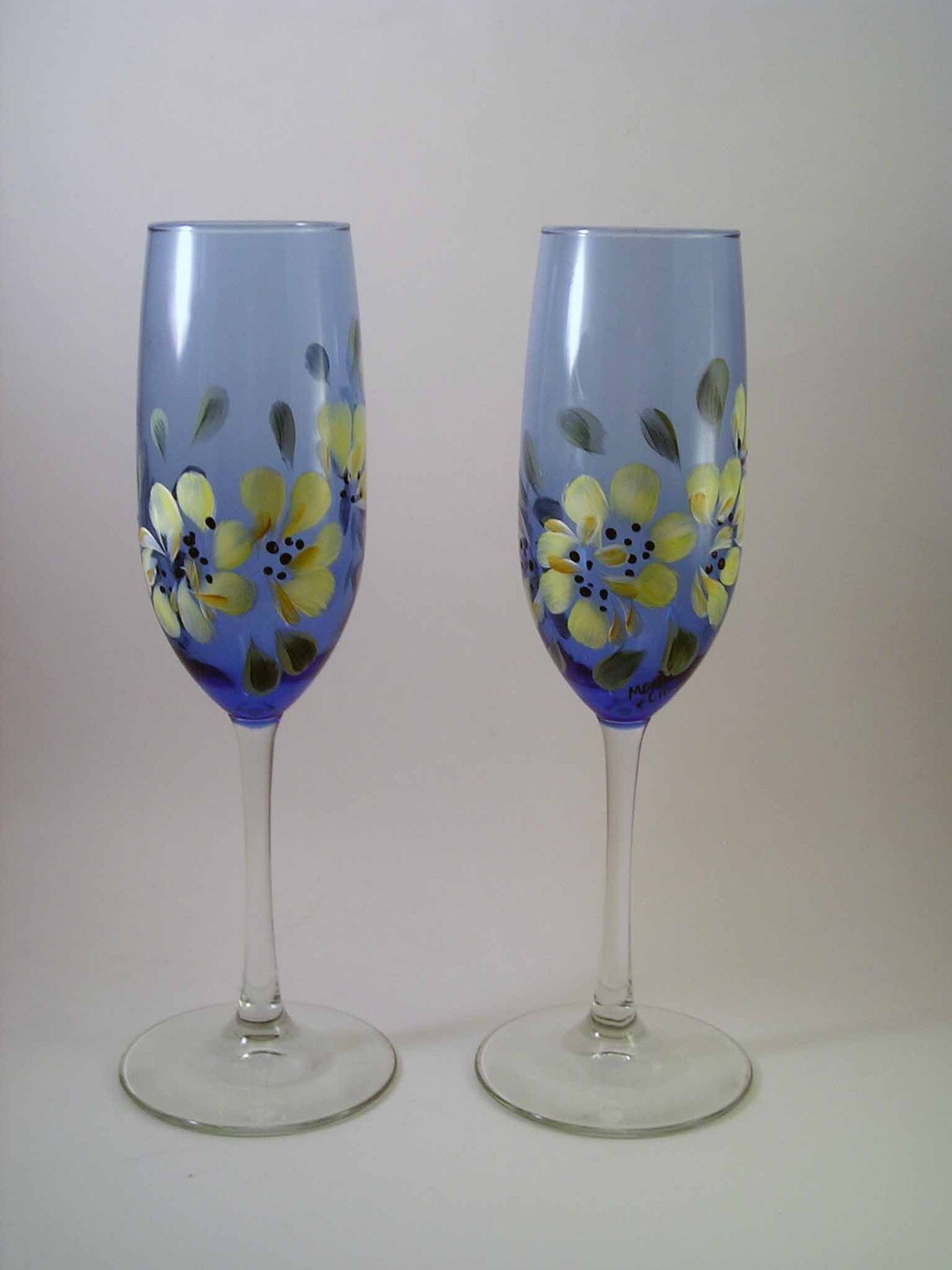
The deep blues and glowing yellows of Van Gogh's Starry Night are captured in these Blue Glass Toasting Flutes from GlitznGlass.


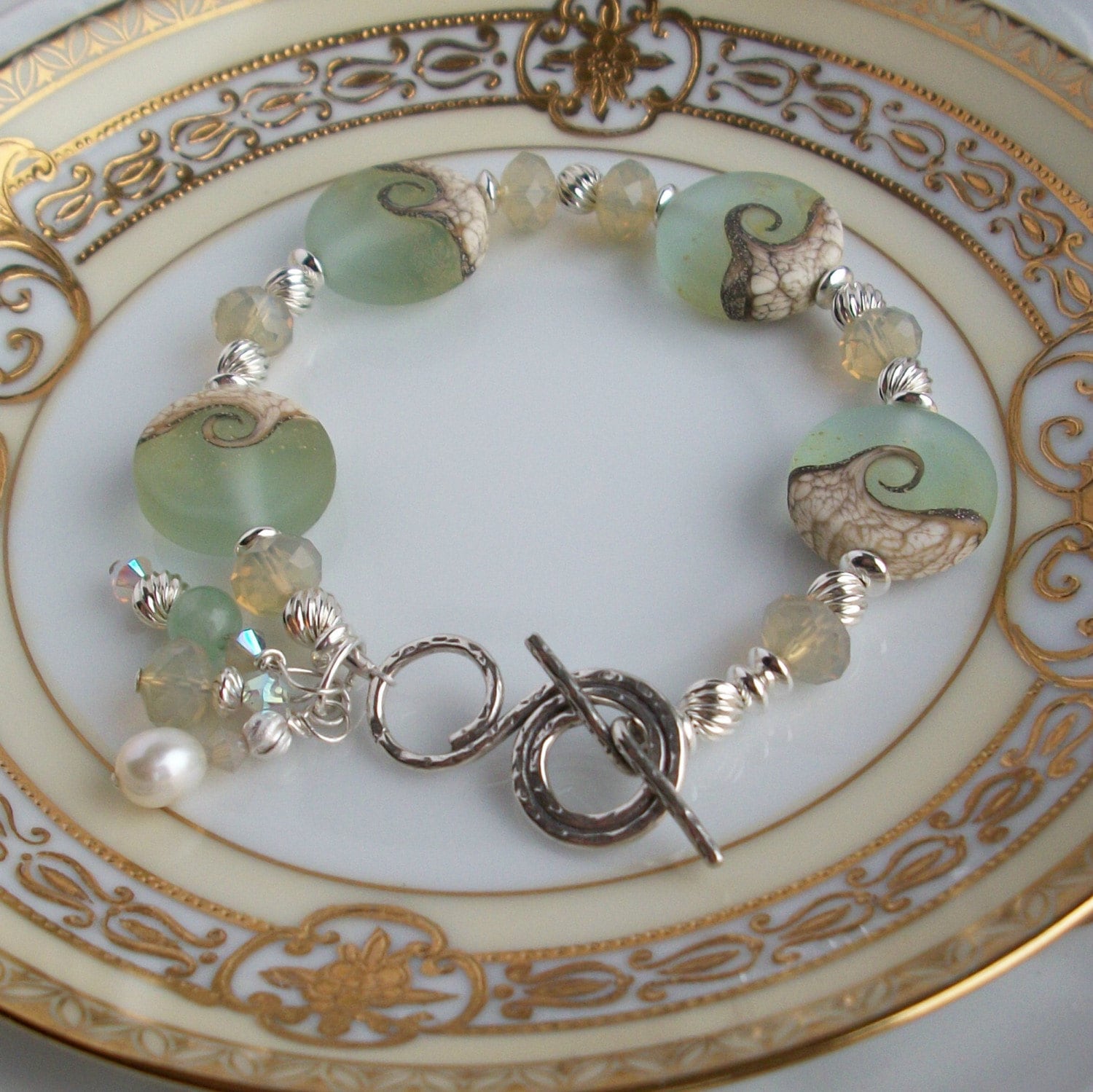
 The pale sea greens and swirling waves of  Aivazovsky's The Tenth Wave are captured by this Ocean's Dance Artisan Lampwork, Crystal Bracelet by Ever So Dear.


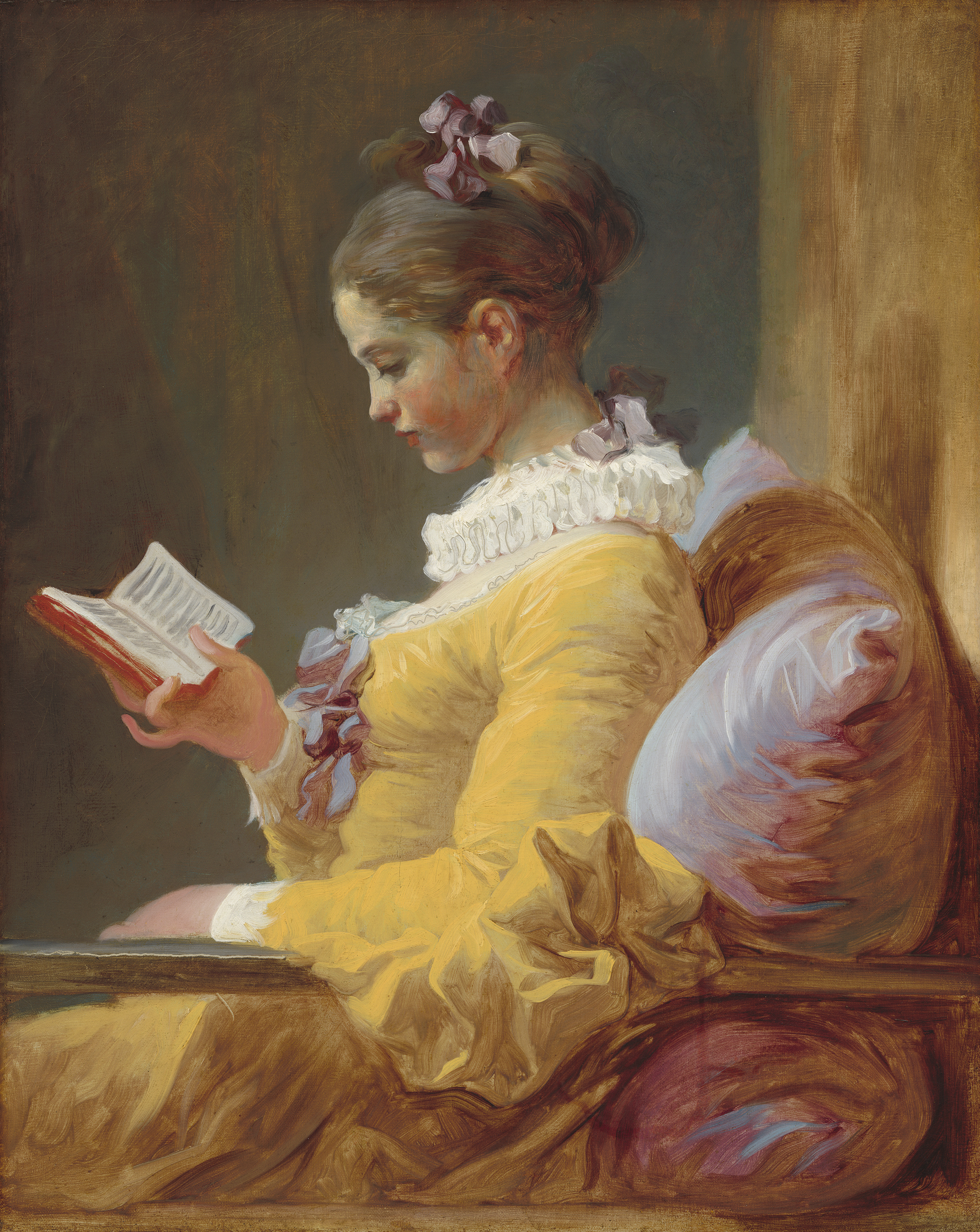
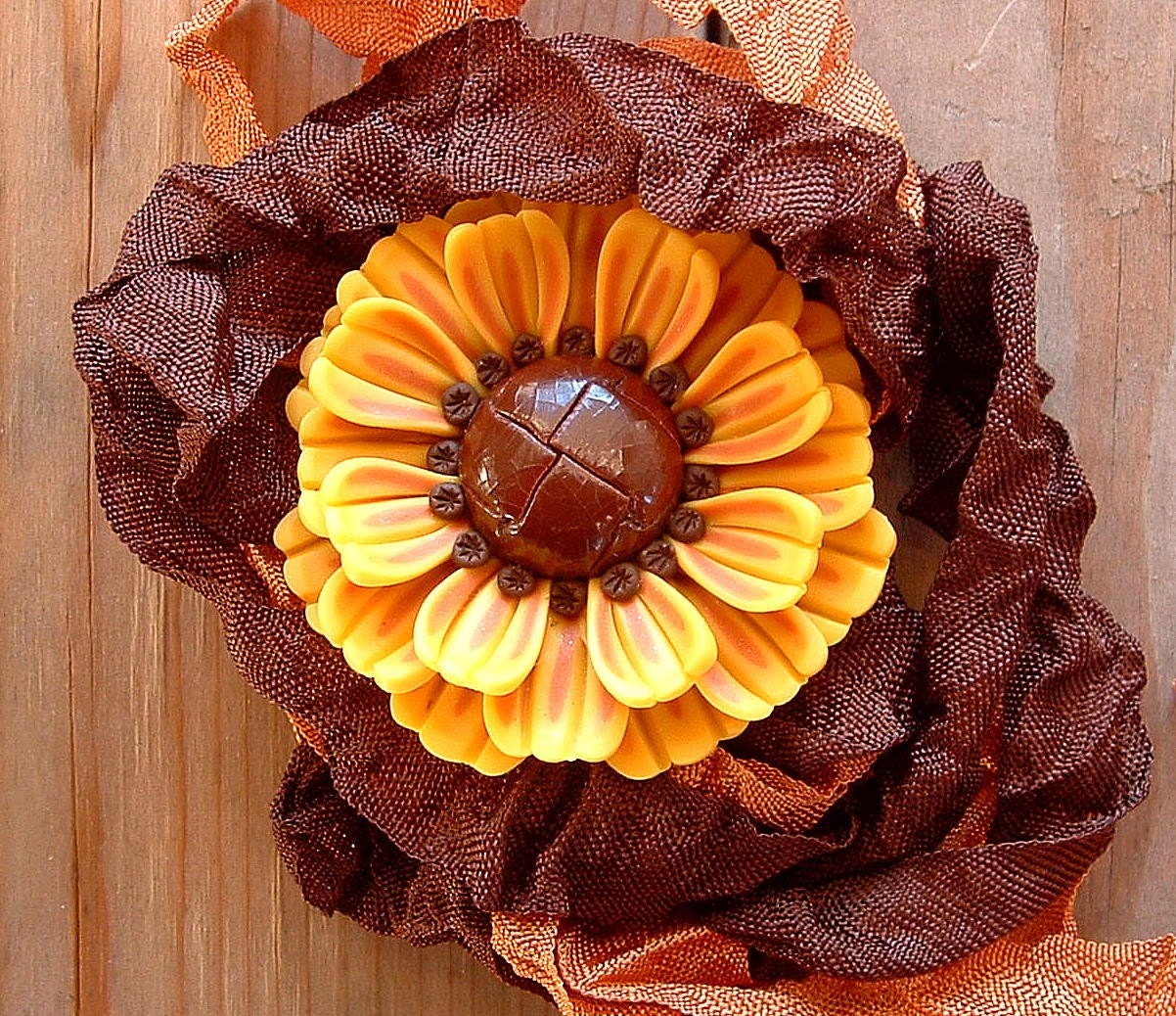
Fragonard's The Reader displays themes of gold and umber as in this Yellow Brown Eyed Susan Flower Pendant by Zuda Gay.


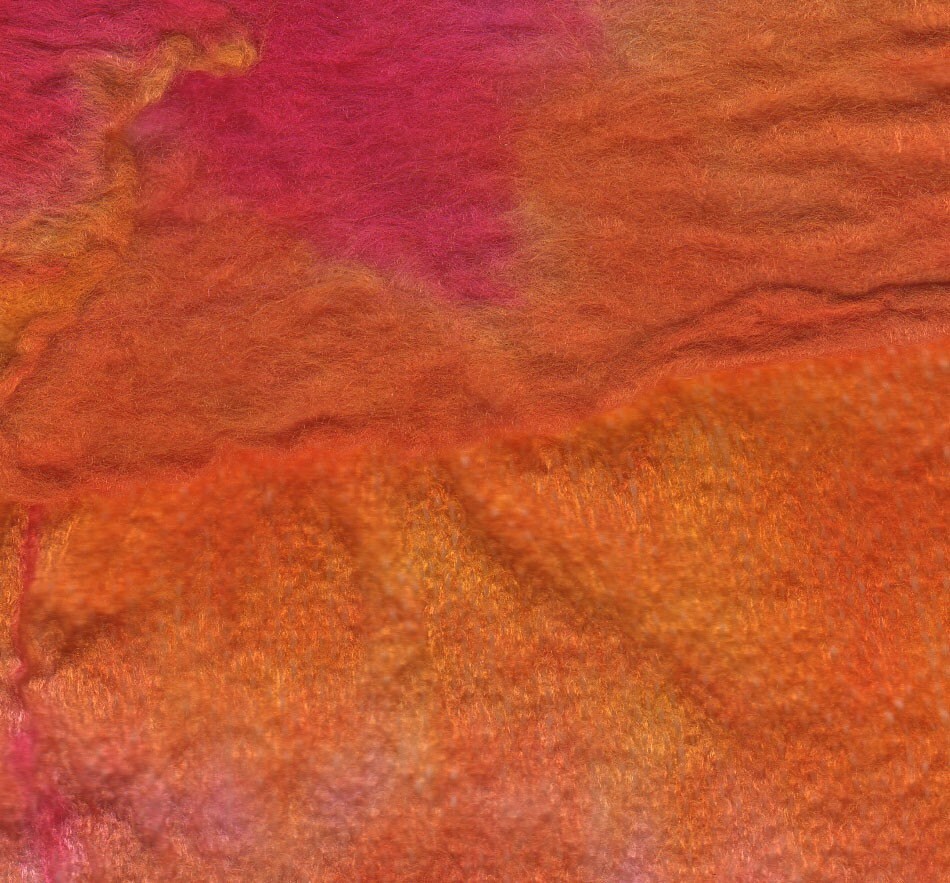
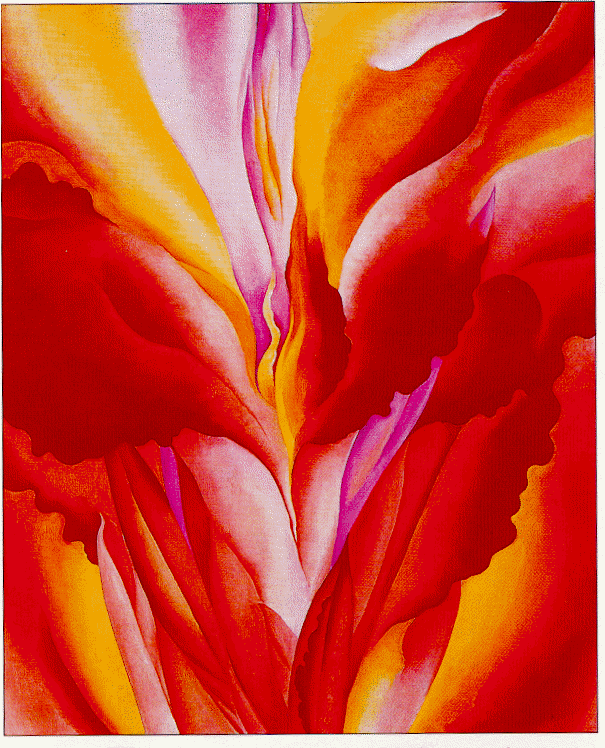
O'Keefe's Red Canna inspires the reds and oranges in this hand dyed Vegetarian Silk from Sassa Lynne.


Feeling inspired? We hope so! We can't wait to see where your color explorations take you.

Friday, February 26, 2010

Sharpening Your Point of View

Much has been written about the value of failure. Although we cringe at that word, we learn far more about how to succeed when things go wrong than when things go right. By experiencing what doesn't work, we gain a world of knowledge about how to improve our operational methods to produce a lasting success. Failure, though frustrating, forces us to change our perspective; it pushes us not only to think outside the box, but to tip the box upside down and look at it from odd angles, leading us to moments of enlightenment. Getting stuck in the creative grind helps to sharpen our points of view.

Well, I admit, I am still waiting for that grand "aha" moment to occur in my recent crafting misadventure with glue. Yet I know that it will occur somewhere along the line if I just keep trying new vantage points while viewing my adhesion problem. I have been attempting to bring life to a few jewelry designs that combine lucite (plastic) and glass cabochons and metal settings, but I haven't been able to find a glue or epoxy that passes my durability testing. It's a sticky situation indeed...or rather, a lack of stickiness! All the most popular adhesives have failed miserably, even with proper surface preparation and curing time. Will I have to abandon my designs and shove these lovely little flower elements to the back of my crafting stash? I hope not.

I think I just need to let the project alone for awhile to give my tired brain a chance to process the gluey data. A certain period of coming unglued, pun intended, is required to let go of preconceived design ideas before new ones can assemble themselves. Very often, in the deep recesses of the night during sleep, while driving, or while in the shower, the mind has an epiphany. The curious child that still resides in those dusty mental corners comes out to play with that problematic "box," looking inside it and turning it every which way until a light bulb clicks on that illuminates an answer. Be aware, however, that the answer might not be - probably won't be, the one you expected or even desired. And you will have many interim moments of throwing your hands in the air in disgust and defeat. Don't despair! The aftereffect of creative failure and re-examination is usually a more viable concept even if it looks entirely different from your original mental picture of the project. At this point, all you are required to do is keep the box open in the back of your mind so that your inner child can come out to play.

So, for now, I have put these half-completed pieces of jewelry in a "pending box" (top open, of course) while I wait for further inspiration. I have plenty of other things to do in the meantime!

One other ingredient that helps sharpen focus on a problem is ample aesthetic input; while you are waiting for creative insight, absorb all the colors, sights, sounds, smells, words, and textures in your surroundings. You never know when one seemingly insignificant piece of data could be the one that was missing from your original design equation.

Here are some wonderful ways in which BBEST artisans help give us a little change in point of view.

A clever way of arranging items in a photograph gives a fresh impression of a wearable item.
from ByTheBy


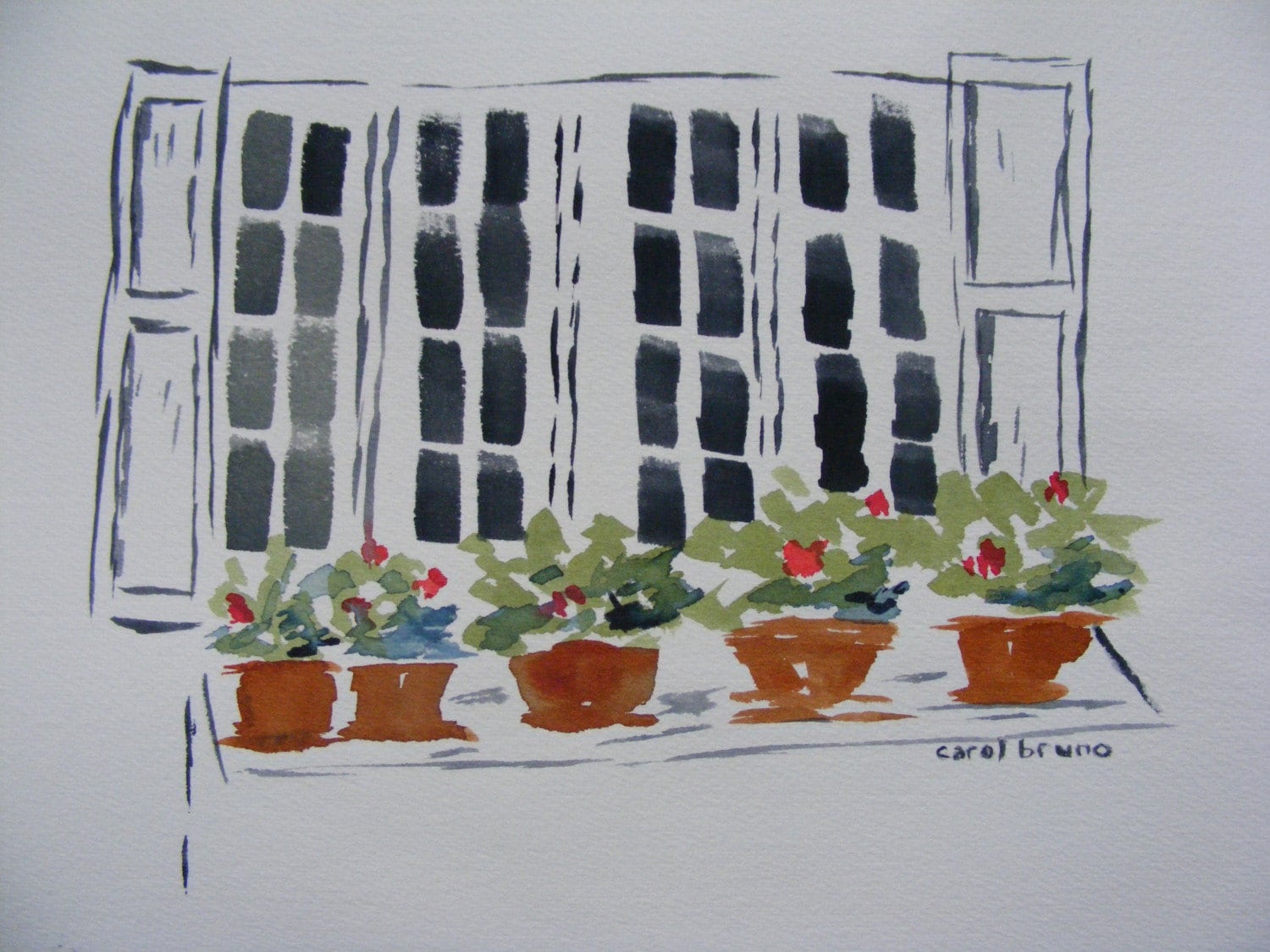
 Open the windows to let light in, physically and symbolically.


Feeling sleepy? Wake up and smell the coffee!


 Listen to the music of your soul


Revel in the wonder of your inner child


Experience the simple pleasures of nature


Perhaps a little comfort food is needed


Wait...and then wait some more...be patient


Prescription: Have a healthy dose of color every day


Laugh, smile, play and be joyous...tomorrow's a new day

Wednesday, February 24, 2010

BBEST Bookies

I’ll bet you didn’t know that the first week in March is Return a Borrowed Book Week.  As a recovering librarian, I’ve seen the stigma, pain, and disgust associated with book felony, and would like to extend a hand of support to any who suffer from this malady.  This is the chance to get right with your friends, relatives, teachers and libraries:  make atonement!  Return your delinquent materials during this time of amnesty – librarians will look the other way and no pejorative remarks will be made!

il_fullxfull.119043974[1]It’s also a good time to mention our BBEST bookies.  We’ve got a few authors in our midst.  One of them is our own Myfanwy Hart, who’ll autograph your copy of her how-to book on tools and felt making, entitled The Embellisher:  Let’s Get Started!  Although nearly unpronounceable (to Yanks, anyway), Myfwany’s name is popping up more and more frequently in craft circles, so you’d better order your first edition before she becomes too famous!

il_fullxfull.111302490[1]Liz Plummer prints wonderful covers for Moleskin pocket books.  I’ve found these little books essential when traveling – just stick one in purse or bookbag and write down all your good ideas. il_fullxfull.101070780[1]  

Long-time BBESTer Judy, aka Mr. Penquin, has wonderful foldable books that are  intriguing gifts for all ages.  il_fullxfull.66996949[1] At JN Originals, she also makes beautiful wool needle books for the stitchers in our lives. 

il_fullxfull.103327522[1]


Book Wraps makes folios and book covers.  Her delightful stitched journal covers make room for a pen or pencil in a little pocket in the back.

BBESTers also offer bookmarks, book plates, vintage books, pins using book illustrations and all kinds of wonderful things book-related.  You can see them all by searching BBEST books.

Tuesday, April 28, 2009

Watering a Dry Spell

I'd just about guarantee that we all know the feeling of being in a creative dry spell. Your mind is empty, that piece of writing paper is excessively blank, designs refuse to work the way they should, and you'd rather be sitting in the sun sipping something frothy and fruity than be anywhere near your office or work table. What do you do when the artistic doldrums take root?

Well, I wish I could say I had all the answers to wash away the blahs, but I don't. In fact, here I am, 9:30 - no, now 11:30, the night before this blog entry is due, and I haven't a clue what to write. I feel like I am back in school trying to compose that 15-page paper that I waited until the last minute to write. I remember sitting in my parents' basement (my desk and stereo were down there), dozens of index cards covered with almost illegible notes piled in front of me, stacks of library books covering the old, 1960s Colonial print sofa, pencils sharpened, half-chewed pens at the ready, and my trusty Smith Corona manual typewriter sporting a clean, white sheet of paper. I was all set to write that ground-breaking thesis, except for one thing: my thoughts wouldn't gel. I might as well have been looking at stone tablets incised with hieroglyphics. Nothing made sense. My brain was drained.

"Maybe I will feel more inspired after a snack." I'd appease my inner muse with food to encourage her to return to work. Half a bag of chips or six cookies later, I was no closer to putting my thoughts on paper; the only thing that had been coaxed out by that culinary bribery was my waistline. Maybe I needed a nap. No, unfortunately no time for that. The report was due in the morning. Music...certainly music was well known for enhancing creativity. Luckily I had headphones for that stereo which was playing late into the night.

I am rather embarrassed to say that all my procrastination techniques were repeated quite often during my school days, resulting in papers being written at 3 am, a trend I have retained through my "mature" years, much to the annoyance of my parents, and now, my dear husband. Yet, the curious thing about those evasive tactics is that, eventually, I did write those papers, or later, sew those curtains, or make jewelry for impending craft fairs, and the results were usually better than if I had started early to plan and construct, then worked at a slower, more methodical pace. For me, the creative method that works best is one of collecting information, stewing and thinking (and to the outside world, looking like I am doing nothing) until my mental concoction has sufficiently brewed and is ready to burst forth in a flurry of activity, complete.

I would not necessarily advocate my methods for anyone but myself, of course. Your mileage will vary. However, there are a few elements commonly related to banishing dry spells that are hidden in this approach.

First, step away from the task at hand. Stop trying to force things to come together. Breathe, walk, meditate, listen to music, visit a flower garden, fold clothes, walk the dog, enjoy a cup of tea, or whatever feels right and relaxing at that moment. Don't think of this as evading what you have to do; think of it as clearing the mind in order to open the airways to receive new inspiration.

Original Print of Pink Orchids
by Beth Peardon Prods

If a short break is not enough, sleep on it. A good night's sleep allows the mind to percolate about ideas as well as to rest and rejuvenate the muses.


Perhaps a change of location will stimulate your creative juices. Try creating in a different venue, or even set up a small table outside. Move your supplies to a different room. Use an unfamiliar desk in a different room, or move your work table into a new corner. What do you see from this vantage point? If you can't move to another spot, then change your mental perspective. Really look at your surroundings with a fresh eye and note something you may not have noticed before; jot down some quick observations. Which colors stand out? What objects have you missed during your usual routine? Tilt your head to the left, then right. Do you see anything out of the ordinary? You never know what small detail, previously hidden from view, could jump start a new design or story idea.

Original Painting "Reflection" Watercolor
by The Creators Palette

Play the combination game. Without conscious planning, start putting together random materials in whatever way first comes to mind. These could be seemingly odd matches at first, but keep switching things around to see what appears. The more unusual the mixes the better, for these break old thought patterns and allow you to step outside the box in terms of creativity.


If you are a writer, then play with word sequences and associations. Open a dictionary, close your eyes, and point to a word. Open your eyes and write down what you see; repeat this process until you have a list of words from which to start a theme for a written piece. Try to write until you include all the words. Don't think too hard about this process. Just write what streams into your mind!


Old Glory Beaded Pen
by Ghi-Goo-ie Designs (JStinson)

Maybe it is time to move in a completely new direction. Try your hand at an unfamiliar craft or learn a different method within your current artistic field. Sometimes a break from the norm will re-ignite a passion for your old creative flame, but be prepared, for your crafting direction may shift to something entirely new. This new path may be a temporary diversion or it might be the beginning of a life-changing adventure into a craft which fuels your imagination much better than any previous artistic endeavors did. Don't fret if this happens. It is ok to move on if that is where your heart takes you.


Southwest Heart Treasure Box
from Jill's Treasure Chest

Most of all, be gentle with yourself when you are feeling dry. If you put pressure on yourself to perform the same every day, you will crumble under the weight of undue expectations. Plants growing during a dry spell are delicate and must be carefully and lavishly nurtured. Remember that creativity is not a steady, uniform stream, but rather an intermittent shower. Enjoy the times when inspiration is raining down, and rest when there isn't a drop of it. Go with the flow and your dry spell will eventually be quenched.

Friday, February 27, 2009

Meet the Boomers: Pam

Q. What is the name of your shop, and what kinds of items do you sell?  My shop is called Bags and More by Pam.  I sell hand-crocheted items for people, pets, and homes, including but not limited to hats, scarves, sweaters, ponchos, rugs, handbags, tote bags, baby items, pet sweaters, and spa sets.

Q. How long have you been engaged in your art/craft?  I have been actively fulfilling my passion for crocheting for the past eight years.

Q. Do you consider yourself a hobbyist or a professional craftsperson?  I would consider myself a professional craftsperson as I am creating and selling my products via several venues.

Q. What inspires you?  Yarn!  I love yarn!  The way it looks and feels.  I also tend to be practical, and items that are both beautiful and useful make me want to create more.

Q. What's a typical day like in your studio?  My husband would laugh at this question. He says my “studio” is all over the house!  Actually, my main work is done in the evenings while my husband and I watch TV.  He says I treat the TV as a radio and mainly listen!  Not so!  I do look up from my crocheting all the time, especially if I am making something familiar and can continue crocheting by feel.  We may be watching TV in our living room or in our family room.  Those are my crochet “studios.”

Q. What keeps you company while you’re working on a project?  My husband, our two dogs, Daisy and Eddie, and the TV.

Q. What is your favorite task related to your art/craft?  Looking at it when it is finished, although I’ve been heard to say, “Oh, isn’t this going to be so cute?” way before the item is completed.  And having someone purchase one of my creations ranks way up there, too!

Q. What is your least favorite task related to your art/craft?  Weaving in the loose ends is not a favorite task.

Q. What are some of the venues you use to promote your shop?  Do you blog?  Use other sites?  Which teams do you belong to?  My teams on Etsy are the Boomers and Beyond (Bbest) team, Etsyhookers Team, and INCrowdteam. In addition to my Etsy site, I have stores on Artfire and 1000Markets.  My blogging includes contributing to the Bbest team blog once a month, posting to my own blog, and creating the featured artist section of the Crafting4Animals blog.  I’ve recently signed up for Twitter and Facebook.

Q. Related to your craft, tell us about a funny, strange or unusual situation you found yourself in.  One Friday I was checking my Etsy store, and there was a sale. When I looked to see what had sold, it was the gray men’s cable design sweater. A customer from the Netherlands had purchased it. There was just one problem. I had sold that sweater locally and hadn’t made another yet. So, Friday evening I had to go get the yarn. Between Saturday and Sunday and Monday morning, I crocheted for 30 hours to complete that sweater so I could meet my own self-imposed “I will ship within two days” deadline! That was one of those lesson-learning life experiences. Needless to say, the sweater is not in my shop right now since it isn’t made again yet. That was what I would consider just a bit stressful!

Q. Tell us something about you that we wouldn’t necessarily know about you by talking to you in the forums.  I have lived in the town where I was born my whole life except for 14 months when I joined my husband in Colorado Springs while he was stationed at Ft. Carson.  I taught one year in Security, Colorado during that time. When he was discharged, we returned to Bloomington.  We have lived in our current house for 36 years, and the one before that for 5 years. It is safe to say we don’t like to move!

Q. Tell us about your favorite books, movies and music.  Oh, my. I like so many books that I will have to give you authors instead: David Baldacchi, James Patterson, Robert Ludlum, Iris Johannsen, Nora Roberts, Tony Hillerman, and Mary Higgins Clark, to name a few. They all have mystery and intrigue; I especially enjoy the ones about government and international conspiracy.

I also have a list of favorite movies: Air Force One, Sleepless in Seattle, Enemy of the State, Conspiracy Theory, Shawshank Redemption, An Affair to Remember, Three Days of the Condor, and all the Bourne movies. My book and movie tastes run in the same vein . . . mystery, romance, international intrigue.  Sleepless in Seattle is just downright cute and sweet!

Beethoven As for music, when I’m in the car, I listen to the local country station or a relaxation CD like the ones with the nature sounds, especially the ocean. I also like pop rock, easy listening, the music from the '50s and '60s. I guess you could say I like it all except I’m not really into rap or hard rock.  Beethoven’s Fifth Symphony is my classical favorite.

Q. Would you care to share any words of wisdom with other aspiring artists or crafters?  Do what you love and love what you do, continue to learn more about your craft, and have patience while others learn about you.

Please be sure to leave a comment for Pam.