

We all have many specialized tools that we use in our crafting, and I think we most likely love each of them. It is wonderful to know that the right tool can make us more effective at developing our creations - and especially fun to know that tools on hand can make fabulous art! The BBEST team certainly uses their tools well to develop arts and crafts, and bring amazing skill to their creations - as anyone who browses ETSY with the BBEST tag can see.
One unexpected tool that I can't live without in my crafting is Adobe Photoshop Elements. This is a less expensive version of the Adobe Photoshop, and has been sufficient for many different aspects of digital crafting - as well as helping me manipulate pictures and do online marketing and blog work. Even this "limited capability" software package is very powerful, and despite being able to do some standard photo manipulation I really didn't know how to take advantage of the capabilities of the package. Too many papers to read, too many complex concepts.
Then I found Jessica Sprague. Jessica Sprague is an online scrapbook instructor, and she teaches digital scrapbooking leveraging Adobe's products, among others. I want to introduce you to Jessica's courses - even though they are scrapbook oriented - because they provide some amazing advantages.
First, the online classes are provided for you to take in your own time and schedule. I took about 6 courses (about 8 classes per course) before everything was over, and did about one class session each week.
Second, the classes include a video that you can pause and resume at your leisure, where Jessica shows you every single step of what she is doing with Photoshop. I had the video up and running on my computer in one window, and had Photoshop Elements up in another window. I could stop the video and follow the instructions, restarting when I was ready to go on to the next step.
Third, the classes are available in a variety of formats. For example, I learned with Photoshop Elements, but you can take the classes with Photoshop as well. Even if you take the courses leveraging one format, you can come back later and go through them in the other format, free of charge!
Fourth, the classes are available to you FOREVER. So you can come back to them years after taking them to review a particular concept or remind yourself how things work.
Finally, the classes provide lots of free downloads that give you additional digital materials to work with and even extra support capabilities with Photoshop and associated tools.
I really recommend these digital classes, even though scrapbooking may not be your cup of tea. They are a great way to learn how to get around Photoshop if you are not already super strong with the tool set, and they certainly help to improve your photo handling capabilities as well as give you creative ideas for more!
The classes that I found most informative were Up and Running with Photoshop, Now We're Rockin' with Photoshop, and Digi In Deep.
Leveraging some of the things I learned, I was able to pull together a couple different tributes to the BBEST team's Autumn offerings - and as they say, the possibilities are endless!
Autumn comes alive through the work of the BBEST team, and inspires us to find great gifts to share with all our loved ones. Happy Fall!
These two tribute displays showcase work from the following shops - Asian Expressions, Big Island Rose Designs, ZudaGay, SixSisters, Beth Peardon Productions, PFD Original Art Work, The Creator's Palette, the Knotty Sheep, Aroma Fields, Designs by Christine, and Bags 'N More by Pam.
Monday, October 18, 2010
Tools

Wednesday, September 8, 2010
Falling into Autumn – as Keat’s the poet wrote in ‘To Autumn’
Although sometimes a melancholy befalls some at this time of year when they see the passing of the summer season of brightness fade into the possibility of chill winds of winter looming on the horizon, for others they see this season as the most colourful, exciting, abundant and vivid time of the year!
Personally, I find this the most amazing time of year. The colours take your breath away and the abundance of the harvest promises tasty dishes for the long winter months ahead. Gone are the days when we wish it could be a little cooler. Now is the time to go for all those long lingering walks to discover nature’s palette, pick fruit off the hedgerows and see how the colours change in the light which in itself changes by the season.
Autumn is the time of year when nature offers us all her fruitful gifts to which we give thanks.
Whilst I lived in the Middle and Far East this is what I missed so much. The changing of the seasons, the renewed hope to look forward to the next adventure.
Talking of adventures and walks I decided to look for autumnal subjects/items for sale within the BBEST group. The wealth of talent available along with the choices offered leaves me speechless! Take a look at some of the examples I found:
Butterscotch Flower Earrings by ZudaGay

Bring the warmth of this colour to match your autumn wardrobe.
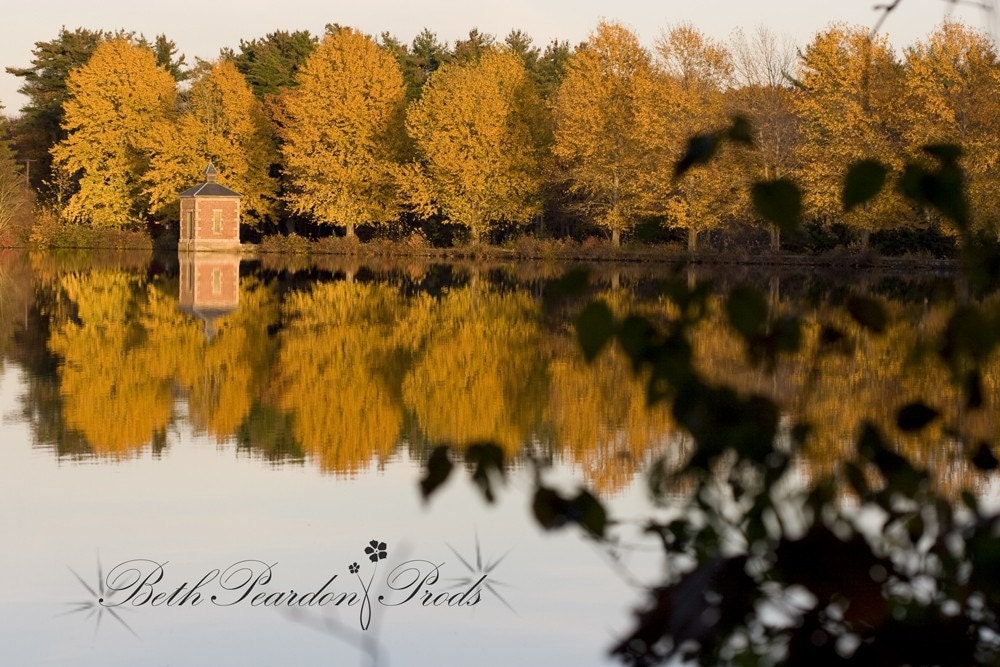
Autumn Leaf Original Photograph by BethPeardonProds

‘This leaf looked lonely but also reminded me that fall is here'.’
Caramel Apple Candle by Aromafields

Apples are always associated with this time of year and these would be scrumptious, if they were to be eaten!
Maple Leaf Magnet by Chris1

A pretty reminder of autumn to have on your fridge to keep those important notes handy!
Autumn Leaves Mandala – window cling sun catcher by ClingingImages

Typical colours to glow in the sunlight and spread the warmth of autumn.
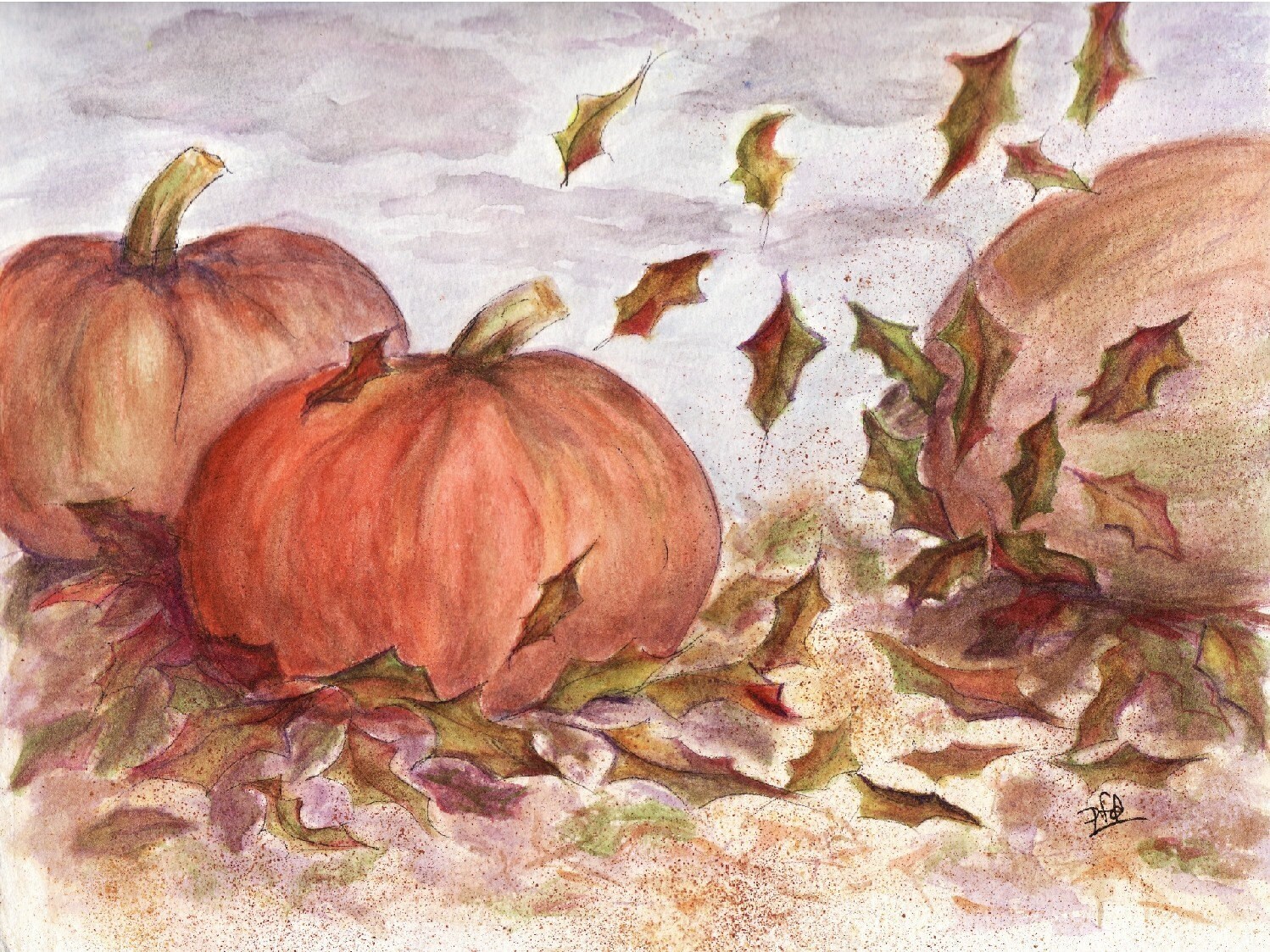
Pumpkin Patch Original by Pfd Original Artworks

What a wonderful example of the abundance of the autumn harvest!
Indian Corn Matchbook Notepads by Circle in the Sand

Such a handy item to remind us of harvests.
Bunches of Sunshine by Yankee Girl

Some of my favourite flowers that follow the sun as it moves through the day.
Jumbo Perle Medium with fall colours by Sassalynne

A true reflection of the variety of warm autumnal colours.
After the Harvest by HeronKate

There is nothing quite like a freshly harvested field with the promise of an abundance of crops to take us through the next season.
Autumn Rose felted coasters by J N Originals

Autumn being a wonderful time for long walks, the temperature cools down once the sun hides behind the watery clouds and it is time to settle down indoors with a welcome warm drink. These coasters make it all seem so much more cosy, don’t they?
Well, my BBESTer friends, what do you think? Above is a selection of inspired items in the autumn/fall theme. All catching the warmth of the glow of the diminishing sunshine but still giving us a wonderful sense of wonder at how clever nature really is!
Wednesday, December 30, 2009
A Time to Rest
Like many of my BBEST teammates, I am finding it difficult to rouse my blogging creativity in the deep, dark center of winter. It's cold and I would prefer to snuggle in my cozy flannels while sipping tea and reading a good book. So, in keeping with the theme of rest and hibernation, I will resort to offering something I wrote a few years ago and stored away in place of something freshly written. I hope you enjoy it. Now back to my tea and jammies!
It wasn’t this way for thousands of years while we were consciously dependent on the land and our fellow animals for survival. Farmers knew that they would have a limited growing season and they had better stock up for a long winter’s dormancy. Our ancestors knew that when the sunlight lessened, it was time for lessening their activity levels, giving their bodies time for rest and revival. However, when we started to rely on ourselves and our technologies more than we relied on nature, we began to see ourselves as self-sufficient and independent of changes in the seasons. We could control the cycles and make them fit into the schedules we created for ourselves. Perhaps we purposely switched the order as if to demonstrate our command over nature. It is becoming more obvious that this is a false feeling of security, and we had better examine our choices more closely in the near future. Now that we are out of step, it will become very difficult to rejoin the natural march once too much time has passed and we are far behind the rest of the pack on its migrant journey.


Most of all, by staying in step with nature and out of step with the rest of our culture’s frenetic pace, I hope to let go of my false sense of control over the cosmos and over nature, releasing that feeling of always fighting with my true self. I am, after all, like all the other animals and plants that exist in this place, tied by billions of ancient cells to the primal call of earthly rhythms. We block our ears with electronic white noise, and keep our minds and bodies constantly moving with busywork. Yet in the crisp stillness of a deep azure winter’s night, in the brilliant quiet of a crystalline snowfall, in the mysterious shadow of sparkling icicles as they drape past our windows, a small, whispering voice can be heard calling us to sleep, to sleep deeply and dream of our spring reawakening.

Monday, October 12, 2009
To write about???
You know how artists get that horrible dry spell? Well, believe me writers do too!
I always use a calendar to remind me when I am writing a blog post and this day is no exception. Except, this is the exception! I have writer’s, what’s it called? You know when the ideas just don’t come!
So, I have decided to delve into our team to pick out a random selection of pictures to show off the incredible talent that our BBEST team has! Well the choices have been random but leaning more to our autumnal season and, of course, halloween. Enjoy!

Native American Beaded Earrings
by
These pretty fan shaped hand beaded earrings were made by Joni. They are made from green glass bugle beads, green seed beads and white pearlised seed beads.

Mini Rug Hooked Jack ‘O Lantern
by
Folk Art and Rug Hooking!
This primitive mini jack-o-lantern is hand-hooked in the traditional primitive fashion of rug hooking on burlap. Hooked with 100% wool strips, both dyed and re-purposed, backed in a bright orange wool, and stuffed like a miniature pillow with polyester fiberfill – even the brown checked wool stem is stuffed!

Pastel Charmeuse Silk Scarf/Shawl
by
Wrap yourself in luxury with this luxurious charmeuse silk shawl. It is 14" wide by 66" long, so can be worn in a number of versatile ways to show off a simple dress or blouse. Abstract shapes in pale periwinkle and orange add interest to under layer of pale orange leaves.

Porcelain 20 oz Funky Mushroom Fairy Queen Bowl Art by Magi
To be found in Fehustoneware’s shop
How fun to eat your cereal from a funky fairy bowl!
Wheel thrown in porcelain clay
clear glaze with an iron oxide decal in the original artwork of Magi C.
There is a tiny moon impressed at the base.

by
Professor Philo Philodendron has found a dainty cactus of exceptional beauty in the Mohave desert. This tiny species, yarnius smallicus, fits neatly on a desk or windowsill. Perfect for the plant-killer.

Beadwoven Autumn Orange Flower Brooch
by
Beadwoven Autumn Orange Flower Brooch
No, this is not a French Beaded Flower. French beaded flowers are done with wire and beads. This pin/brooch is beadwoven with needle and thread, and is a little more supple.

Sassa Lynne Serendipity Mixed Thread Selection
by
Not one but seven top quality yarns in this selection. Again from our Serendipity range these threads have all been dyed in the same dyebath. Think Mango! Cerise, Gold and Fuchsia with a little more than a touch of Orange and Coral. They will stitch or couch beautifully on fabric or canvas.

by
This lovely polymer clay flower focal features sculpted petals on a sturdy base and the center is a lot of clay dots. It measures 2" (5cm) across the flower and the hole is drilled horizontally near the top for stringing. Flower Pendants look beautiful hanging on a ribbon or cord and completely amazing made up into a custom beaded necklace.
Well, by now you will have realised that our wonderful BBEST team members have a wealth of talent to show. Here I have simply chosen at random a few of my favourite items. There are so many more, I could go on all day! Why don’t you delve into Pandora’s Box? This time you won’t let out any demons just pure talent!!
Wednesday, September 30, 2009
It's the Great Pumpkin!


by Designs by Christine


 Posts
Posts


