The BBEST Team is a vibrant and talented group of Etsians aged 40+ who are dedicated to Etsy which is synonymous with quality handmade items. Our very diverse group provides a place to chat, exchange ideas, help and support like minded members who call themselves the Boomers and Beyond Etsy Street Team.
Here you will find business articles, helpful links, new trends and maybe just a little humor thrown in for good measure, too!
Unable to sleep last night? It could be the intense glow of the soon-to-be full moon was keeping you awake. Tonight, October 22, 2010, the northern hemisphere will be basking in the light of the full Hunter's Moon, which will reach its highest point in the sky around midnight. "The hunter's moon—also known as blood moon or sanguine moon—is the first full moon after the harvest moon, which is the full moon nearest the autumnal equinox." (Wikipedia) After tonight, the moon will continue to move further north along the eastern horizon for several nights, providing us with longer periods of pre-dawn light than during other full moons. For our ancestors this meant longer hours of autumn moonlight for nighttime hunting, allowing for stockpiling of game meat to last during the long winter months.
The full moon has long been associated with stories of changes in human and animal behavior. For example, supposedly there are more births, dog bites, incidences of crime, and trips to the emergency room on nights when the moon is full. Even though most scientific studies do not corroborate this folklore, the legend of the effects of moonlight persist in our language and culture. Think of the words lunatic, lunacy (derived from the name of Luna, Roman goddess of the moon) and moonstruck, and you are reminded of someone whose mental health is less than optimal. Whether or not science can prove a connection, humans have made a link between the moon and strange occurrences for hundreds, if not thousands of years. "Greek philosopher Aristotle and Roman historian Pliny the Elder suggested that the brain was the 'moistest' organ in the body and thereby most susceptible to the pernicious influences of the moon, which triggers the tides." (Scientific American.com)
The full moon is too bright and beautiful to ignore, so it's no wonder the moon has played an important role in art and literature. As we take a look at how some BBEST artisans have been influenced by the moon, let's explore some figures of speech that have lunar inspiration.
If you "moon over" someone, you are surely feeling the romantic effects of the moon, possibly feeling unrequited love, and likely to be dreamy and lost in thought about your object of desire.
Feel like celebrating the full moon with dinner and a movie? What better flick to watch than Moonstruck, the 1987 romantic comedy starring Cher, Nicolas Cage, Olympia Dukakis, Danny Aiello, and a host of other well-known actors. http://www.imdb.com/title/tt0093565/ A levelheaded young woman falls in love with her fiance's brother in a Brooklyn Italian-American neighborhood. Cher's character agrees to marry for practical reasons, then falls in love with her fiance's wilder, more emotional brother. Set in a Brooklyn Italian-American neighborhood, the opera and the full moon play havoc with the characters' hearts as they become "moonstruck" - "dazed or distracted with romantic sentiment." (TheFreeDictionary.com)
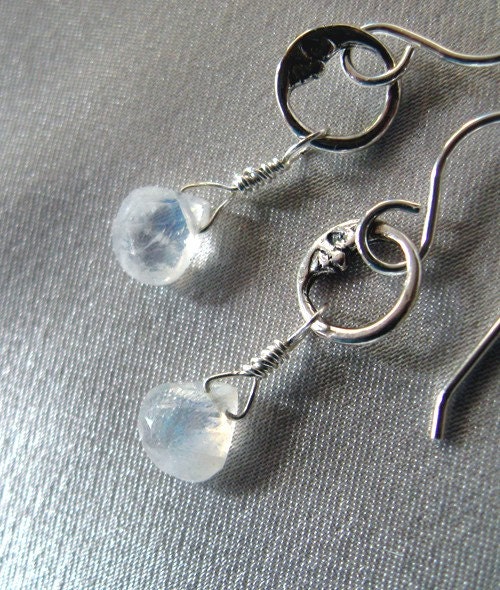
Loretta, Cher's character in Moonstruck, had a makeover in anticipation of her opera night with her quirky love interest Johnny Cammareri, (played by Nicolas Cage). All dressed to the nines in a black and red dress, red shoes, and a newly coiffured head of curls, perhaps Loretta might have accessorized with a pair of long moonstone earrings. Moonstone's subtle shimmer is reminiscent of moonlight and it has long been surrounded by a certain mystique. This member of the feldspar mineral group "symbolises our being in its entirety. With its soft shimmer, it strengthens our emotional and subconscious aspects. The associations connected with that make it a 'lovers' stone', evoking tender feelings and safeguarding the true joys of love. It is also said that wearing a moonstone strengthens our intuition and our capacity to understand." (Gem by Gem, International Colored Gemstone Association)
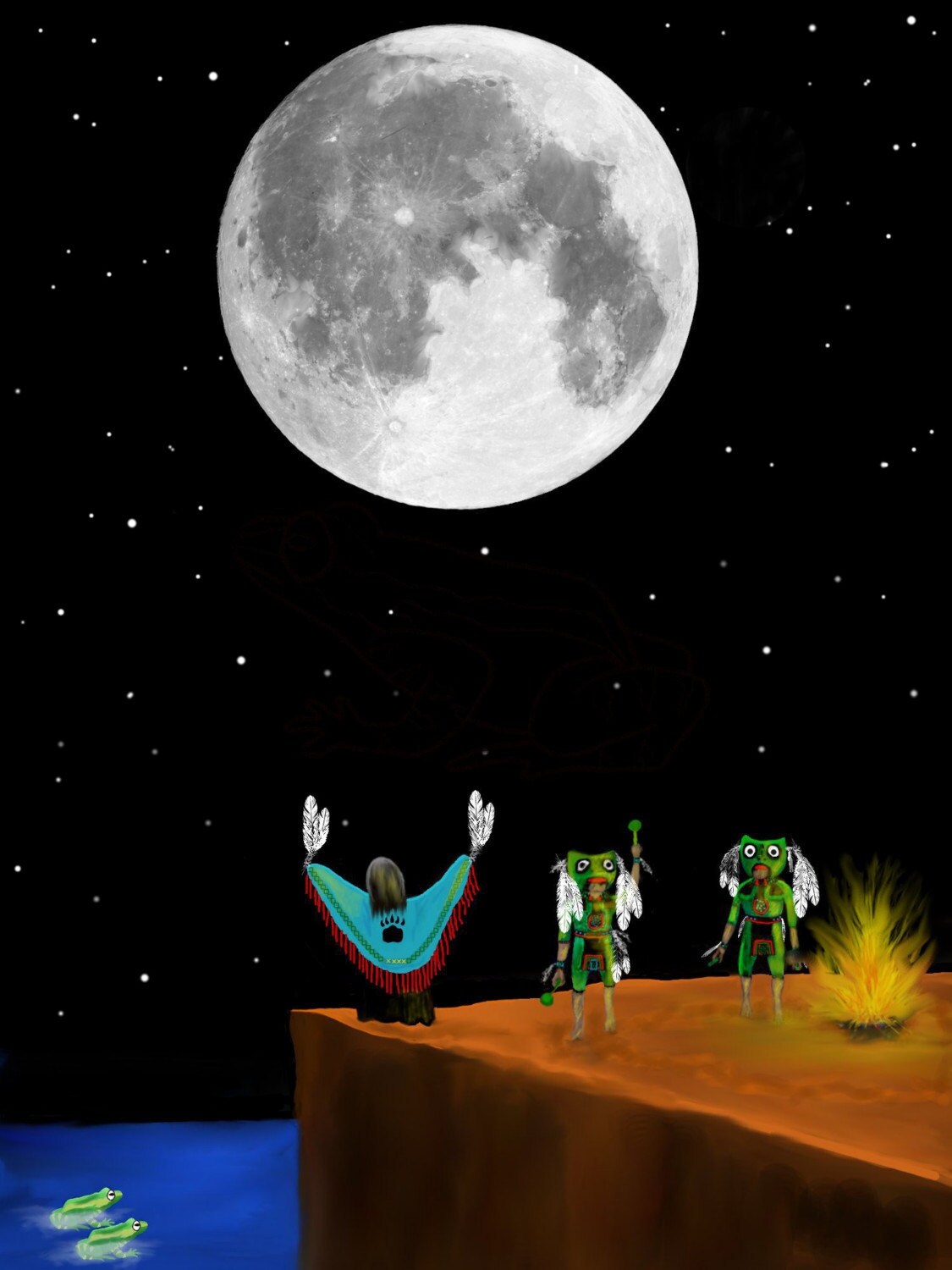
There is something magical and soul-enriching about standing outside under the gentle light of a full moon on a crisp, cool autumn evening. Both humans and animals seem to be more awake and alive as they move through a natural landscape illuminated by the moon's gaze. Perhaps it is the full moon's quality of penetrating light which led it to be used figuratively to represent awareness, enlightenment, or consciousness in many forms of sacred poetry from around the world. http://www.poetry-chaikhana.com/Themes/Moon.htm
We'll end with a quote from the musical side of moon lore. Hope this gets you humming and out dancing under the light of the full Hunter's Moon tonight!
"Well, it's a marvelous night for a Moondance
With the stars up above in your eyes
A fantabulous night to make romance
'Neath the cover of October skies
And all the leaves on the trees are falling
To the sound of the breezes that blow
And I'm trying to please to the calling
Of your heart-strings that play soft and low
And all the night's magic seems to whisper and hush
And all the soft moonlight seems to shine in your blush."
- Van Morrison, Moondance
...but "rose," as a color, comes in many variations depending on who you are and the culture in which you live. Much of color description is subjective. By definition, color is "thequalityofanobjectorsubstancewithrespecttolightreflectedbytheobject,usuallydeterminedvisuallybymeasurement ofhue,saturation,andbrightnessofthereflectedlight;saturationorchroma." (Dictionary.com) In other words, pure white light is composed of an infinite spectrum of visible colors, though we only see a small percentage of them. The surfaces of all objects reflect some light wavelengths and absorb all the others. We perceive color when those reflected wavelengths reach the light receptors within our eyes and a message is transmitted to our brains. This working of the eye and brain together creates what we experience as color. (Pantone.com)
Because the human brain is such a complex entanglement of memories, sensory and physical experiences, cultural interpretations, emotions, and thought processes, perception of color becomes more than mere recording of incoming light waves. Each person will "see" a color differently based on this meshing of physical stimuli (light) and the stored information the brain uses for interpretation. Many of us are familiar with the basic hues of the color wheel, that rainbow-like, circular progression of colors that represents primary, secondary colors, and tertiary colors. We can thank Sir Isaac Newton for this neat diagram which he created in 1666. "The renowned English scientist was 23 years old at the time. He was made to stay home from Cambridge University for over a year because the plague that was sweeping Europe had closed it down. It was during this period that Newton performed his famous spectrum experiments. To alleviate the boredom of quarantine, he punched holes in the curtains of his darkened room to study the effects of light passing through a prism. The light separated into the same progression of colors found in the natural rainbow." (Pantone.com)
Once we go beyond the basic colors we all learned in Art 101, naming and classifying gets a little more complicated...and interesting. Colors start to become associated with our emotions, cultural traditions, and physical surroundings, lending another hand in how we define certain hues. Nature has inspired many of our color names. With flowers, birds, and gems for inspiration, we get colors such as cardinal, daffodil, chestnut, sand, lavender, rose, eggshell, violet, emerald, fern, flamingo pink, lilac, goldenrod, mint green, copper, ruby, sapphire, straw, turquoise, and robin's egg blue. Considering how important food is to human societies, it is no surprise that a large number of colors are associated with our favorite foods: almond, pumpkin, lime green, lemon yellow, orange, apple green, banana, persimmon, cherry red, candy apple red, watermelon, bubble gum, cinnamon, maize, cotton candy, cream, chocolate brown, olive green, raspberry, tangerine, saffron, eggplant, honeydew, mustard, pistachio, plum, and vanilla. (Are you getting hungry yet?)
Although some colors are generally agreed upon, finer distinctions of shade and exact hue vary widely from person to person. There isn't any standardization of color naming; even if there was, it would be difficult to tell exactly what color someone meant if he or she named a color because each person's brain interprets those light wavelengths differently. If I said an object was red, you might have a general understanding of what color I was talking about, but you might picture fire engine red while I was thinking of brick red. Some color names have been used interchangeably even though there are slight differences in hue. For example, aqua, aquamarine, cyan, turquoise, blue-green, green-blue, and verdigris are often used to describe some type of cross between blue and green. And lest you think that white and black are pretty safe to describe, keep in mind that even these "non-colors" can march subtly into the color spectrum. White might be antique white, champagne, eggshell, ivory, lavender blush, light goldenrod, linen, magnolia, or snow white; black could be charcoal, ebony, smoke, onyx, or jet black. It's all literally in the eye of the beholder. If any of you remember the 1948 Cary Grant and Myrna Loy movie, Mr. Blandings Builds His Dream House, you might recall this famous scene about paint colors that humorously illustrates how our views of color can cause a disconnect:
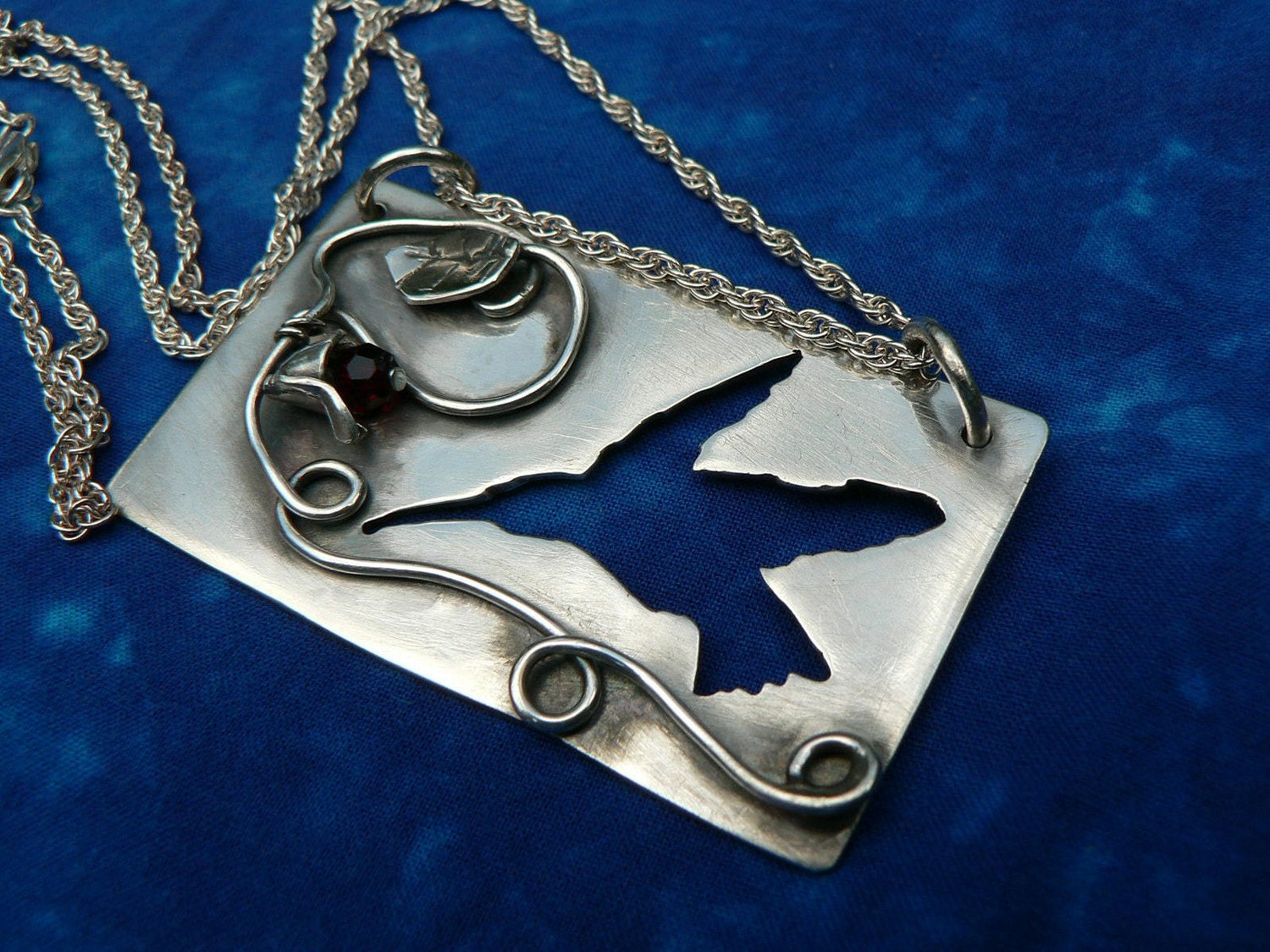
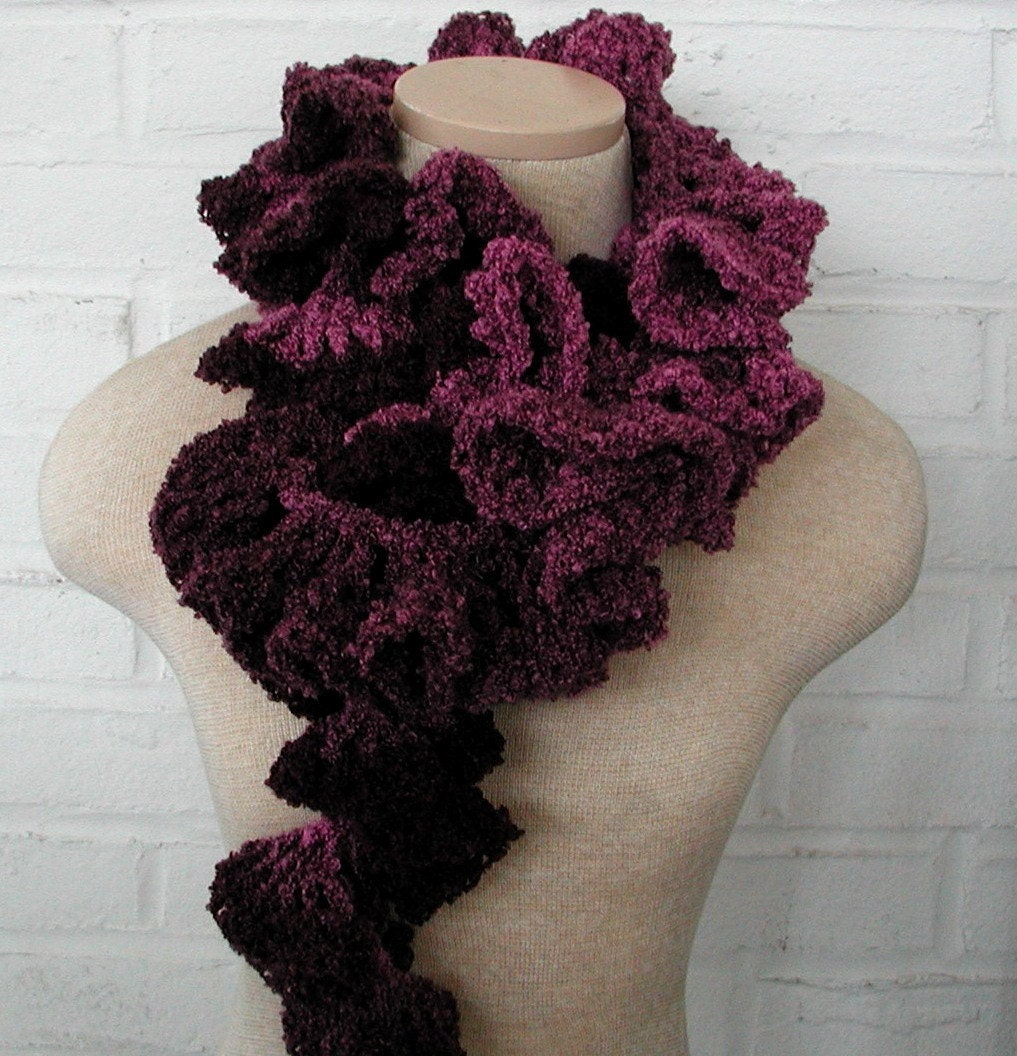
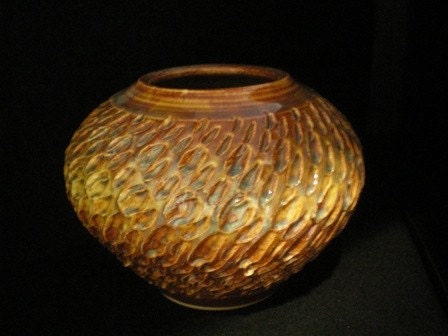
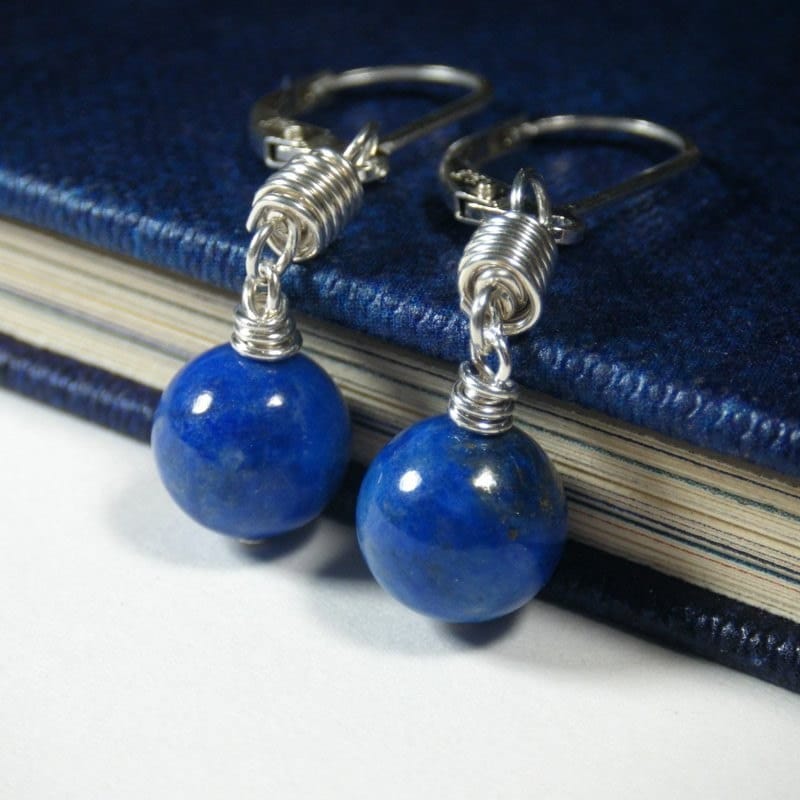
The list of colors in the English language alone is quite extensive. Some are very familiar, some are less common, and some are downright obscure. You may have heard of citrine, ochre, aubergine, azure, claret, and celadon, but could you point to something fulvous or piceous in color? Well, I admit I couldn't do so before I wrote this blog post! Let's explore a few unusual color names by means of a little matching game. Listed below are some colors that you may or may not recognize, followed by pictures of items made by members of the BBEST team. Try matching the color name with the item that most closely resembles that color...or take a best guess. Good luck!
What do a nosegay, corsage and boutonniere all share in common? The answer, of course, is that all three are floral arrangements of some kind. Although flowers today are more ornamental than not, during the middle ages a nosegay tucked in a lapel masked the odors of people who bathed infrequently, seldom washed their clothes, had no indoor plumbing, and were surrounded by livestock. Gradually, however, flowers began to be used in other ways. Women wove the stems of flowers into garlands worn around their heads, as evidenced by Anne of Cleves, who wore a garland of rosemary when she married King Henry the VIII.
During the mid-1600s flowers were worn or carried by both men and women. Men wore boutonnieres, and both men and women carried a tight circular cluster of flowers and herbs called tussie-mussies. Whether you were rich or poor, you brought a nosegay with you when you went visiting. Flowers were a part of country fairs, weddings and religious services, much as they are today.
Most people associate the language of flowers, also called “floriography,” with the reign of Queen Victoria. Finishing schools, where gentle manners and proper decorum were taught, included courses in the art of flower appreciation. Each flower and herb came to represent something special. Mothers taught their daughters how to make hand bouquets, and tussie-mussies were considered fashionable accessories to carry or wear, and were said to have been used to send coded messages. Whether this is actually true or not is questionable, but poets and writers certainly used the language of flowers in this fashion. Dictionaries of floriography were published, with some of the common flowers being represented as follows:
Daffodil – regard
Daisies – purity and innocence
Dandelion – coquetry, or flirting
Elderflower – compassion
Iris – sending a message
Ivy – fidelity
Jonquil – return of affection
Lilac (purple) – first signs of love
Pansy – thought
Red roses – passionate, romantic love
Sunflowers – haughtiness, or respect
White clover – promise
White roses – virtue and chastity
Yellow roses – friendship or devotion
Yellow tulip – hopeless love
The practice of assigning meaning to flowers, however, does not belong solely to Queen Victoria. Wherever the language of flowers is used, it is based on a mixture of mythology, folklore, literature, faith and some of the flowers’ physical characteristics. During both the middle ages and the Renaissance, flowers were used to express concepts of morality. Saints, for example, were associated with specific flowers, such as the lily that symbolized purity. The Japanese also have their own flower language called “hanakotoba” whose meanings differ from their Western counterparts. The Turkish people have a language called “selam” that consists of both flowers and objects. Brent Elliott of the Royal Horticultural Society indicates that selam is not so much a language as it is a tool for helping people remember lines of poetry. The names of objects, in other words, rhyme with lines of poetry.
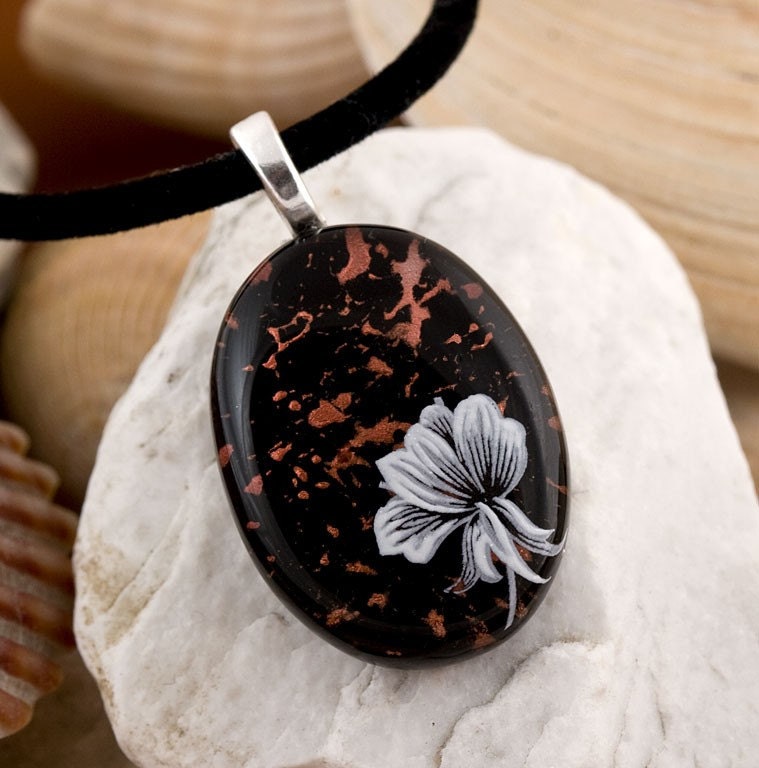
Whether you express yourself using the Victorian, Japanese, Turkish or any other language of flowers, one fact is certain. Flowers today embellish our garments, our décor and even our bodies, as evidenced by these items sold in BBEST members’ shops. (To look at these items, click on the photo.)